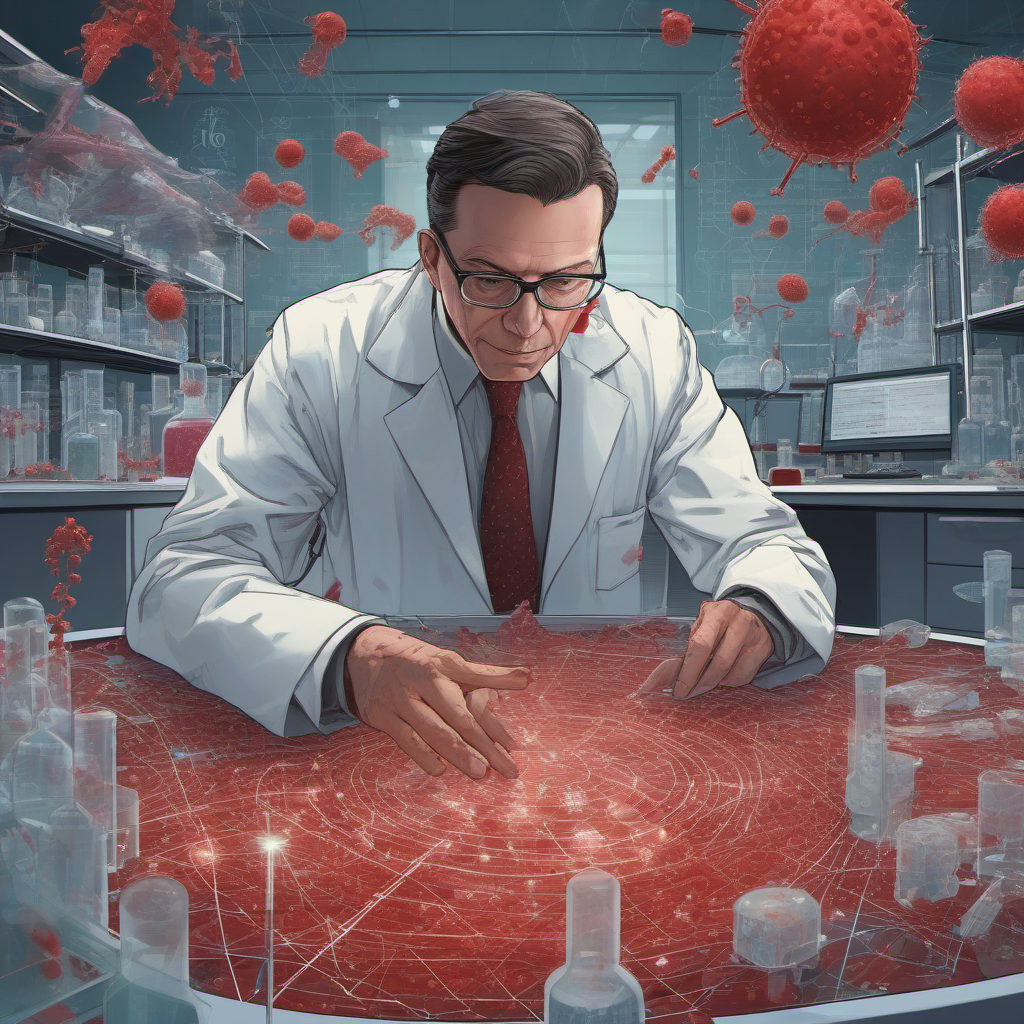
Quantum computing, often heralded as the next frontier in technology, hasn’t quite transformed drug discovery as anticipated. Mark Fingerhuth, the co-founder and chief research and development officer of ProteinQure, recently shared this tempered view during a panel at Creative Destruction Lab’s Super Session in Toronto. While quantum chemistry has been touted for its potential in drug development, Fingerhuth argues that it hasn’t yet delivered the breakthrough moment akin to AI’s ChatGPT.
### What ProteinQure Actually Does
Founded in 2017, Toronto-based ProteinQure aims to reduce the trial-and-error nature of drug discovery by focusing on computational infrastructure. The company targets the development of peptide-based drugs, which have gained traction due to the success of treatments like Ozempic. Despite initial interest in quantum computing, ProteinQure has pivoted to employing classical algorithms and artificial intelligence, which have been more effective for their purposes. This strategic shift has culminated in the advancement of an AI-designed peptide therapeutic to a Phase 1 clinical trial, marking a significant milestone for the company.
### The Competitive Context

Within the quantum computing space, companies like Xanadu have positioned quantum chemistry as a promising application due to its lower qubit requirements. However, Fingerhuth’s comments suggest a gap between theoretical potential and practical application. ProteinQure’s pivot away from quantum computing illustrates a broader industry trend where the anticipated “quantum leap” has yet to materialize in tangible outcomes. This cautious approach contrasts with the optimism seen in other tech sectors, reflecting the complex realities of integrating quantum technologies into existing frameworks.
### Real Implications for Founders and Engineers
The reality of drug discovery is that biology remains a “messy” bottleneck, as Fingerhuth puts it, rather than a lack of computational power. For founders and engineers in the biotech sector, this suggests a need to focus on practical, incremental advancements rather than waiting for quantum computing to solve existing challenges. Embracing classical computing and AI may offer more immediate solutions, leveraging technologies that are already well understood and scalable. This approach not only aligns with current capabilities but also allows for more predictable timelines in drug development.
As quantum computing continues its slow burn towards maturity, the biotech industry must weigh immediate needs against long-term aspirations. For now, the practical application of AI and classical algorithms offers a more reliable path forward for companies like ProteinQure.
### What Happens Next
Going forward, ProteinQure’s focus on classical computing and AI will likely guide its future projects, potentially setting a precedent for others in the biotech space. For founders and engineers, this reinforces the importance of remaining agile and open to pivoting strategies as technologies evolve. Investors, meanwhile, may need to recalibrate expectations for quantum computing in drug discovery, recognizing that the “ChatGPT moment” may still be years away.