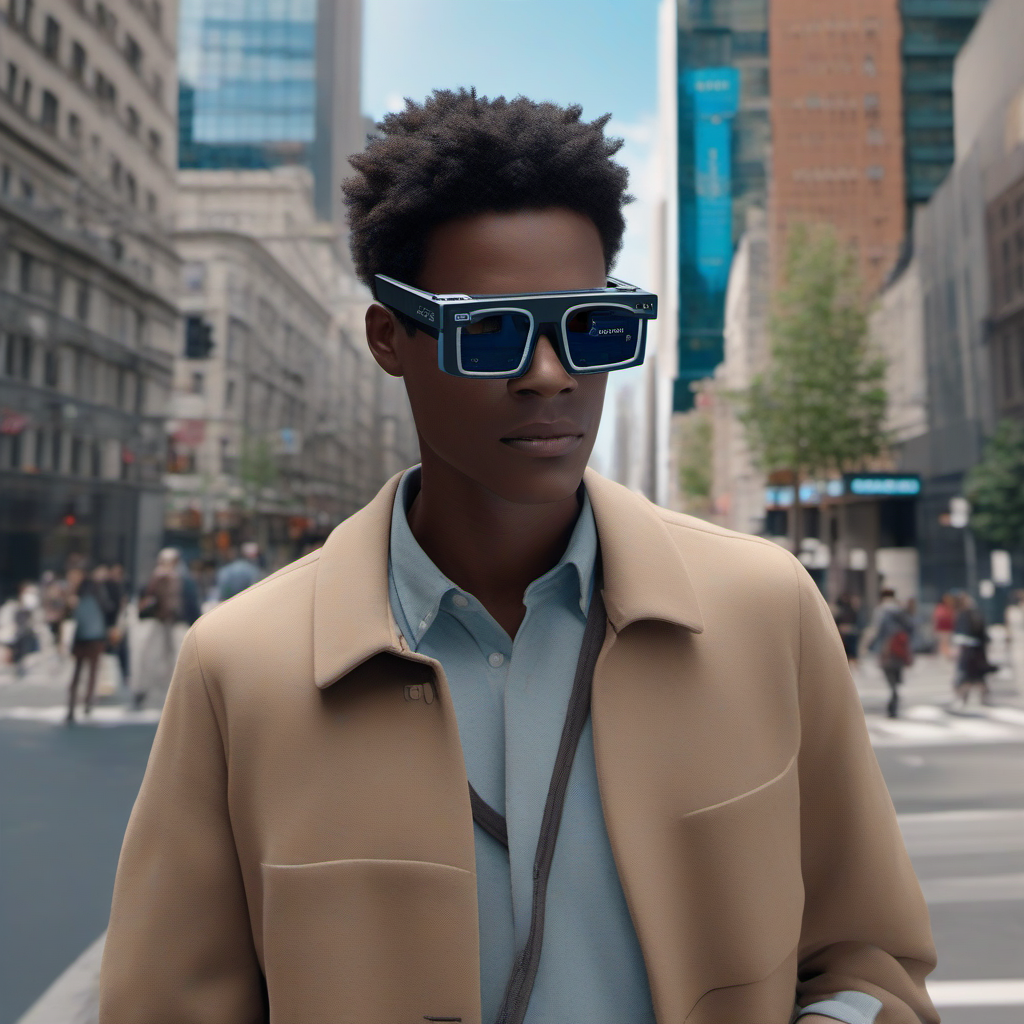
At Google’s I/O 2026, the tech behemoth, alongside Samsung, unveiled its long-anticipated Android XR glasses, produced in collaboration with Warby Parker and Gentle Monster. This launch is significant as it marks a rare intersection of tech and fashion, a bid to create smartglasses that people might actually want to wear. As the world becomes increasingly augmented, these glasses could redefine both personal technology and how we interact with our environment.
## What Are Android XR Glasses?
The Android XR glasses aim to bring augmented reality (AR) into everyday life. Running on Google’s Android platform, these smartglasses promise seamless integration with other Android devices, delivering notifications, navigation, and even real-time translation directly in the wearer’s field of view. By collaborating with Warby Parker and Gentle Monster, Google and Samsung aim to produce eyewear that doesn’t just function well but also looks good, hoping to overcome the fashion obstacles that plagued earlier smartglasses like Google Glass.
The glasses are designed to be lightweight and stylish, available in a variety of frame styles that blend into everyday fashion rather than standing out as a piece of tech. This move is strategic, as the tech industry has long struggled with wearable tech that people find attractive enough to wear consistently. The Android XR glasses are slated to go on sale by the end of 2026, with prices starting at $999.
## Competitive Context
The smartglasses market is not barren but certainly challenging. Previous iterations, such as the ill-fated Google Glass, stumbled due to privacy concerns and a lack of aesthetic appeal. Microsoft’s HoloLens and Magic Leap have focused more on enterprise applications, leaving a gap in the consumer market.
Meta’s Ray-Ban Stories have attempted to bridge this gap, but they offer limited functionality compared to what Google and Samsung are promising. Apple is also rumored to be developing its own AR glasses, which could intensify competition. For Google and Samsung, the key will be whether they can convince consumers of the utility and desirability of AR in their everyday lives, a challenge that has seen many attempts but few successes.
## Implications for Founders, Engineers, and the Industry
For founders and engineers, the introduction of the Android XR glasses represents a call to innovate. The platform could spur a new wave of app development focused on AR, potentially opening up new business models and user experiences. Engineers will need to focus on optimizing apps for AR, considering factors like battery life, data usage, and user interface design that doesn’t overwhelm or distract.
For the broader industry, this launch could signify a shift towards more practical AR applications, moving beyond niche or enterprise use cases. However, the success of these glasses will largely depend on whether they can solve real problems for consumers or enhance everyday activities in a meaningful way. If they fail to do so, they risk joining the ranks of hyped tech that never quite caught on.
The collaboration with fashion brands also highlights a growing trend of tech companies partnering with lifestyle brands to increase adoption by appealing to style-conscious consumers. This could lead to more cross-industry partnerships, offering new opportunities for startups and established companies alike.
## What Happens Next
As Google and Samsung prepare to release the Android XR glasses to the public, the tech community will be watching closely to see how consumers respond. For founders and engineers, the potential for new AR applications could be a fertile ground for innovation, provided they focus on creating genuine value for users. Investors might consider the viability of AR-focused startups and products within their portfolios, as this could indicate broader market trends. Whether these glasses become a staple of everyday tech or another footnote in the history of wearables will largely depend on their ability to appeal to both function and fashion.