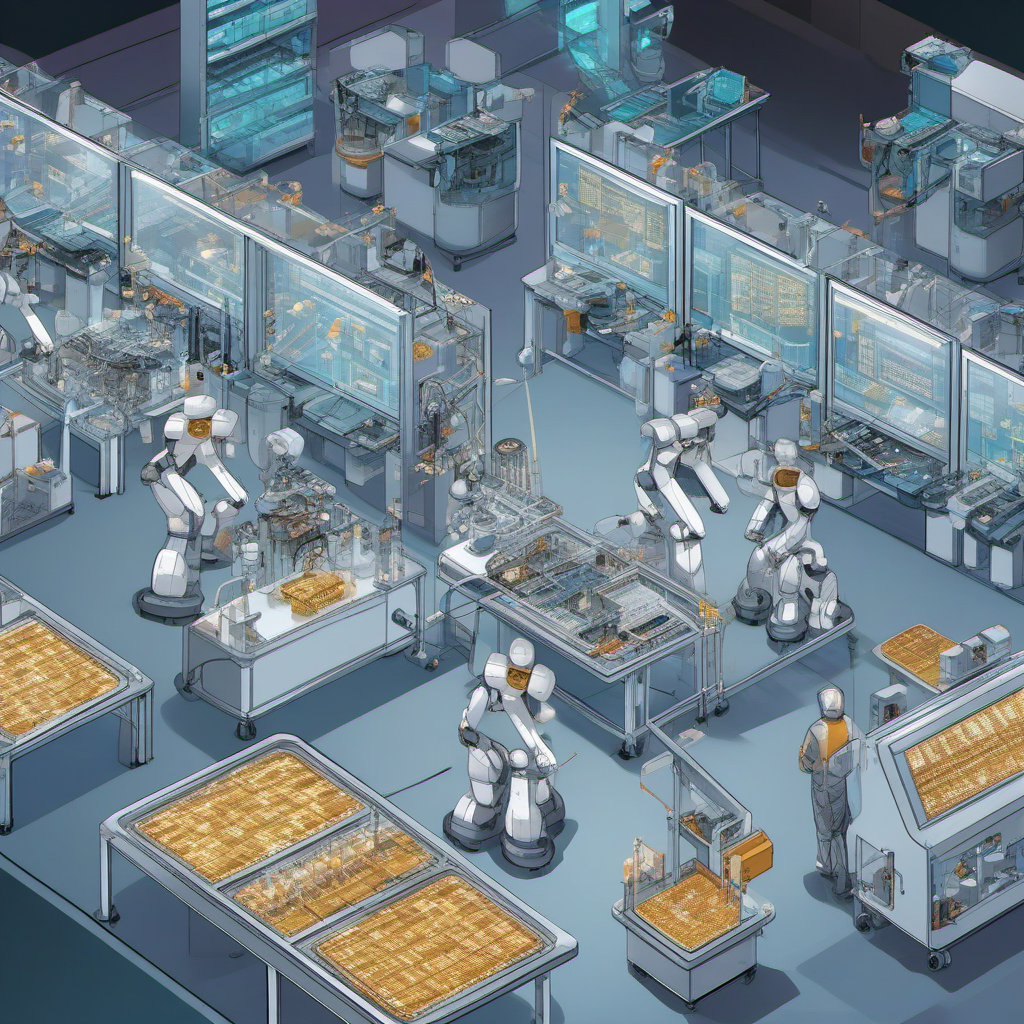
IBM has thrown its hat into the semiconductor ring, announcing a leap forward in chip manufacturing automation. This development could tighten the screws on global competition in the semiconductor industry, potentially reshaping the landscape for manufacturers and engineers alike. As the world grapples with semiconductor shortages and supply chain disruptions, IBM’s move underscores the critical need for efficiency and innovation in chip production.
## What IBM’s New System Actually Does
IBM’s new system is designed to automate various stages of semiconductor manufacturing, a traditionally labor-intensive process. By integrating advanced robotics and AI-driven analytics, IBM aims to reduce human error and increase production speed. These automated processes could lead to higher yields and lower costs, a crucial advantage in an industry where every micron counts.
The system is reportedly capable of monitoring production in real-time, identifying defects, and making adjustments on the fly. This level of automation could significantly reduce downtime and waste, key bottlenecks in current manufacturing processes. While IBM has yet to release detailed performance metrics, the potential for efficiency gains is clear.
## Competitive Context in the Semiconductor Sector
IBM’s announcement comes at a time when the semiconductor industry is under intense pressure. Giants like TSMC, Intel, and Samsung have been investing heavily in expanding their manufacturing capabilities. TSMC recently announced plans to spend $100 billion over the next three years to boost its production capacity. In this context, IBM’s move could be seen as a strategic attempt to carve out a niche in a highly competitive market.
However, IBM faces significant challenges. The semiconductor sector is notorious for its high barriers to entry, including the need for massive capital investment and technical expertise. IBM’s success will depend on its ability to prove that its automated system can deliver on its promises of efficiency and cost-effectiveness. Without clear, verifiable data on performance improvements, IBM’s claims may struggle to gain traction against established players.
## Real Implications for Founders, Engineers, and the Industry
For engineers and product managers, IBM’s foray into semiconductor automation could mean a shift in the skill sets required for future roles. As automation becomes more prevalent, the demand for expertise in AI and robotics within semiconductor manufacturing is likely to grow. Engineers may find themselves needing to adapt to new tools and processes, focusing more on system oversight and optimization rather than manual tasks.
For founders and startups, IBM’s move may signal both an opportunity and a challenge. On one hand, increased automation could lower the barriers to entry for new players by reducing the initial capital required for manufacturing. On the other hand, competing against established companies with automated systems could be daunting unless startups can leverage innovative technologies or unique market niches.
Investors may need to recalibrate their expectations as well. The potential for automation to reduce costs and increase production efficiency could make semiconductor companies more attractive. However, the risk remains that without concrete performance data, IBM’s initiative could be more hype than substance.
As IBM continues to develop and refine its semiconductor manufacturing automation, the next steps will be critical. The company will need to provide concrete evidence of its system’s efficacy and reliability to persuade both industry insiders and potential clients. For those in the semiconductor field, staying informed on IBM’s progress could offer valuable insights into the future of chip manufacturing.