
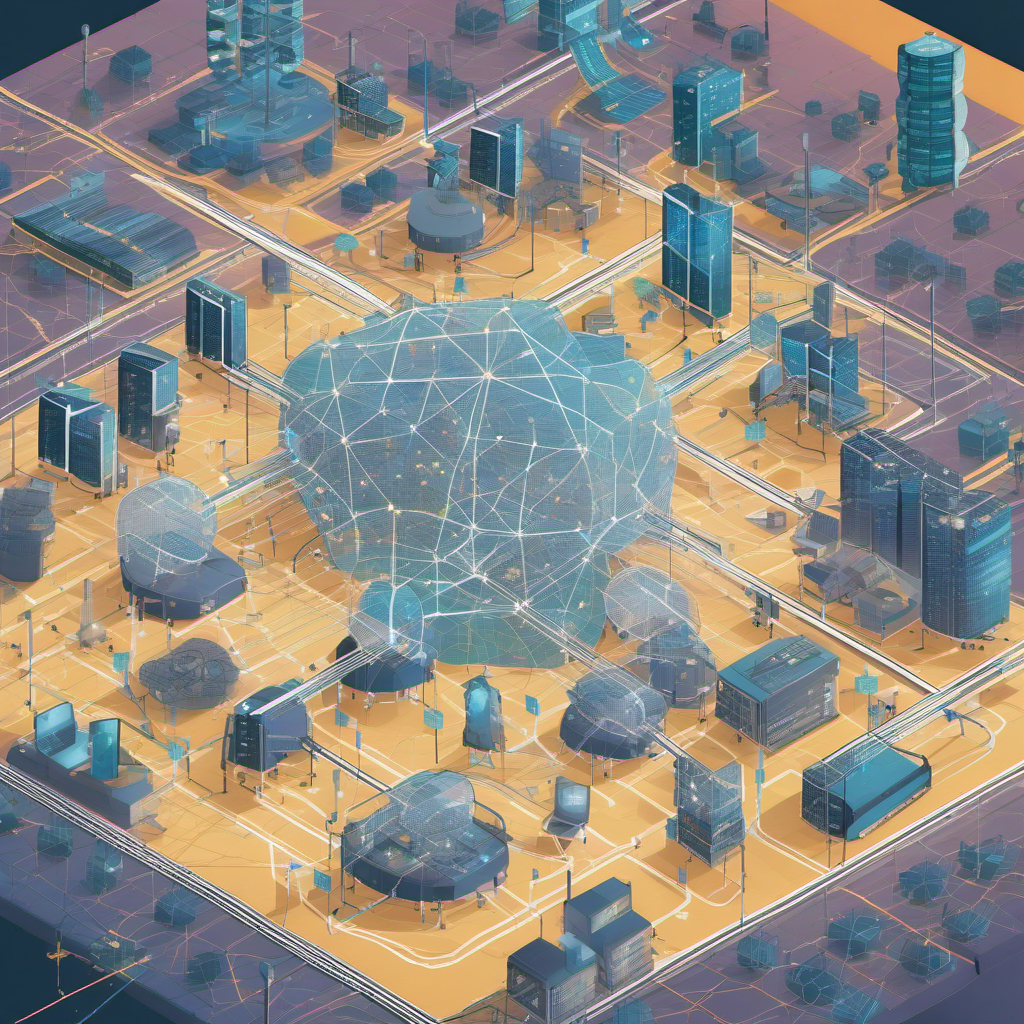
Data sovereignty is rapidly becoming a linchpin in discussions around critical infrastructure, with implications that stretch from boardrooms to governmental policy makers. As the digital landscape evolves, the outdated governance models that once served centralized, localized systems are being pushed to their limits. The urgency to address data sovereignty is fueled by the explosive growth of the global datasphere, which is predicted to expand at an extraordinary pace, driven by AI workloads, real-time analytics, and continuous digital services. This burgeoning demand places immense pressure on data centers, interconnection density, and operational reliability, as highlighted by industry analysts like McKinsey and Goldman Sachs.
### What Data Sovereignty Actually Means
Data sovereignty is fundamentally about aligning authority with accountability in the digital realm. It ensures organizations have control over where data resides, how it is transmitted, who can access it, and which technologies interact with it. This clarity is crucial for maintaining infrastructure resilience in an increasingly interconnected world. When systems span multiple countries and cloud environments, the questions of who holds authority and responsibility become complex but essential to navigate.
Gartner emphasizes that modern infrastructure must be inseparable from governance, resilience, and digital trust. Treating data sovereignty as a mere compliance checkbox is no longer viable. Instead, it should be an integral architectural principle, ensuring that organizations can respond promptly and clearly when systems fail or when regulatory scrutiny arises.

### Competitive Context in a Fragmented Landscape
The old dichotomy of choosing between maintaining control and embracing connectivity is proving inadequate. Organizations across sectors must balance the need for tight data control with the demands for global connectivity. Financial services, for instance, require seamless, low-latency access to international markets while adhering to stringent regulatory standards. Similarly, healthcare organizations need secure data management without isolating themselves from cloud-based innovations in analytics and AI.
This balancing act is why simplistic narratives around data sovereignty as isolationist fail to hold up. The real challenge lies in achieving control within connection, a more nuanced approach that acknowledges the interconnected nature of modern digital ecosystems. This perspective is gaining traction as hyperscalers, regulators, and enterprises refine their strategies to address these complexities.
### Implications for Founders, Engineers, and the Industry
For founders and engineers, the implications of data sovereignty are profound. As startups and tech companies scale, they must build systems that respect data sovereignty while remaining flexible enough to integrate with global networks. This requires a deep understanding of both the technical and regulatory landscapes across different jurisdictions.
Investors and VCs must also consider how data sovereignty affects the scalability and compliance of their portfolio companies. The ability to navigate these complexities will be a critical factor in determining a startup’s viability and longevity in the market. Companies that can effectively manage data sovereignty will likely have a competitive edge, as they can offer assurances around data security and compliance that are increasingly demanded by both customers and regulators.
### What’s Next?
As the global datasphere continues to expand, the focus on data sovereignty will only intensify. Organizations will need to develop robust frameworks that align with the evolving regulatory landscapes and the technological demands of interconnected systems. This will require ongoing dialogue between private sector actors, governments, and regulatory bodies to ensure that data sovereignty is integrated into the very fabric of digital infrastructure design.
For founders and engineers, this means staying ahead of regulatory changes and investing in technologies that support sovereignty and compliance. Understanding these dynamics will be essential not just for securing investment, but for building resilient systems that can thrive in a complex, interconnected world.