
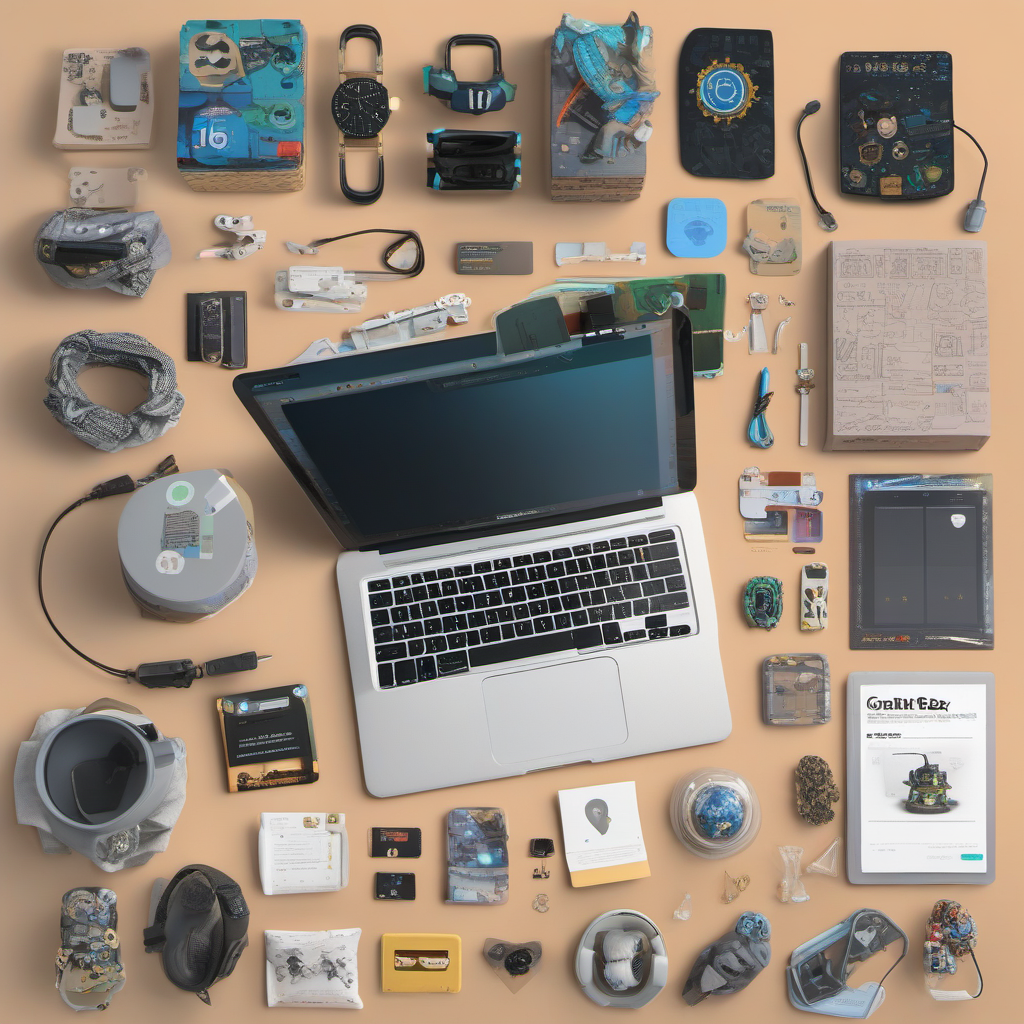
GitHub, the platform synonymous with code repositories and developer collaboration, is venturing into the tangible realm with the launch of Gear Commit, a subscription box service aimed at developers. This move begs the question: do developers really need another subscription box, especially one curated from their GitHub activity?
### What Gear Commit Actually Does
Gear Commit is a monthly subscription service that curates and delivers gadgets and developer-centric items based on a subscriber’s GitHub activity. The service promises to use AI to analyze a user’s coding habits and project engagements to tailor a selection of products that enhance their workflow and cater to their tech interests. Items could range from ergonomic keyboards and noise-cancelling headphones to quirky desk toys and tech-themed apparel. While personalized subscription boxes are not new, GitHub’s attempt to link digital activity to physical products is unique in the developer space.
### Competitive Context

The subscription box market is crowded, with everything from niche hobby kits to gourmet snacks vying for consumer dollars. For developers, services like HackerBox and Maker Crate already provide curated tech and DIY projects. Unlike its competitors, Gear Commit leverages GitHub’s vast data ecosystem to potentially offer a more personalized experience. However, the question remains whether this personalization adds enough value to justify another monthly charge. As of now, GitHub has not disclosed the subscription cost for Gear Commit, which could be a critical factor in its adoption.
### Real Implications for Founders, Engineers, and the Industry
For founders and product managers, Gear Commit presents a case study in leveraging existing platforms to create new revenue streams. The service could inspire similar ventures that tap into user data to offer personalized experiences across other industries. From an engineering perspective, the development of Gear Commit highlights the growing use of AI to interpret behavioral data, a skill increasingly valuable in product development.
The broader industry might view this move with skepticism, questioning the necessity and consumer benefit of such a service. While personalization is a buzzword with potential, its actual value will depend heavily on execution and user reception. GitHub’s venture could either set a precedent for similar tech-driven subscription services or serve as a cautionary tale of overestimating consumer interest in data-driven personalization.
### What Happens Next
GitHub’s Gear Commit is set to launch in early 2024, with a beta testing phase expected to roll out to select users in the coming months. Developers and tech enthusiasts should keep an eye on initial reviews and feedback to gauge whether the curated items truly enhance their productivity or simply add clutter. For founders and investors, the success or failure of Gear Commit could influence future projects aimed at monetizing user data through personalized offerings. As for engineers, the technical challenges of accurately interpreting and personalizing based on GitHub activity will provide valuable insights into the capabilities and limitations of AI in consumer products.