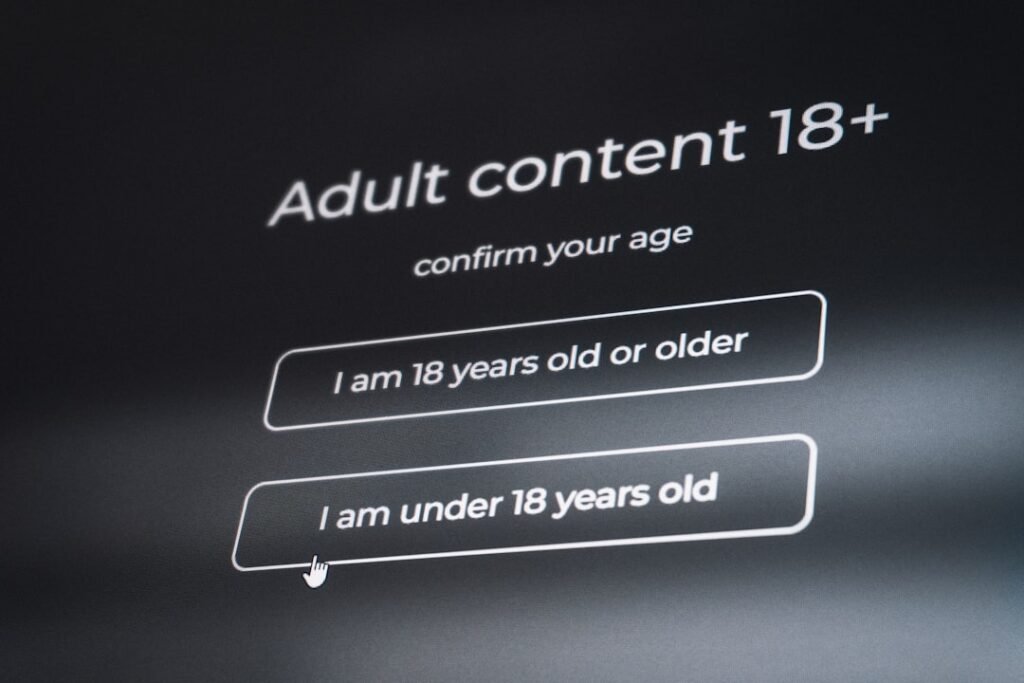
Age verification technologies are being touted as a solution to protect children online, but a new report from a UK-based think tank suggests they may inadvertently put young users at greater risk. The report argues that while these tools aim to shield minors from inappropriate content, they might simultaneously expose them to privacy and security vulnerabilities. This raises crucial questions about the efficacy and safety of age verification tech, especially as more jurisdictions consider mandating its use.
## What Age Verification Tech Actually Does
Age verification technologies are designed to restrict access to certain online content based on a user’s age. These systems typically require users to submit proof of age, such as a government-issued ID, to access age-restricted websites or services. The intention is to prevent minors from being exposed to adult content or engaging in activities meant for mature audiences.
However, the implementation of these technologies varies widely. Some platforms use AI to estimate age based on facial recognition, while others rely on third-party verification services. The diversity in approach raises concerns about the consistency and effectiveness of these systems. Moreover, the reliance on personal data to verify age inherently poses privacy risks, as it involves the collection and storage of sensitive information.
## Competitive Context: Who’s Using It and Why
Major tech companies and social media platforms are at the forefront of adopting age verification technologies. With increasing regulatory pressure, companies like Meta and TikTok are exploring various methods to ensure compliance with age-related policies. Governments, particularly in Europe and North America, are pushing for stricter controls to protect minors online, which has accelerated the adoption of these tools.
Despite the push for more robust age verification systems, the competitive landscape remains fragmented. Different regions have different legal requirements, and companies are racing to find solutions that meet these diverse standards without alienating users. This fragmented approach leads to inconsistent user experiences and potential loopholes that savvy young users might exploit.
## Real Implications for Founders, Engineers, and the Industry
For founders and engineers, the push for age verification presents both an opportunity and a challenge. On one hand, developing a reliable and secure age verification system could meet a growing market demand. On the other hand, the technical and ethical challenges are significant. Engineers must balance user privacy with the need for accurate age verification, all while navigating a complex web of international regulations.
The think tank’s report highlights a crucial issue: the potential for these systems to create new vulnerabilities. If not implemented with robust security measures, age verification systems could become a target for cyberattacks, exposing users’ personal data. This risk demands that engineers prioritize security and privacy by design, ensuring that any age verification solution is not just a regulatory checkbox but a genuinely secure system.
For the industry, the debate surrounding age verification underscores the need for standardization and transparency. Without clear guidelines and consistent practices, companies risk implementing flawed systems that could lead to both regulatory penalties and user trust issues. As the conversation continues, industry stakeholders must advocate for policies that protect users without compromising their privacy.
## What Happens Next
As regulators and companies grapple with the complexities of age verification, the push for better, more secure systems will likely intensify. Founders and engineers should prepare for increased scrutiny of their age verification methods, ensuring they are not only compliant but also secure and respectful of user privacy. This is not just a regulatory challenge but an opportunity to lead the way in creating safer digital environments for all users.