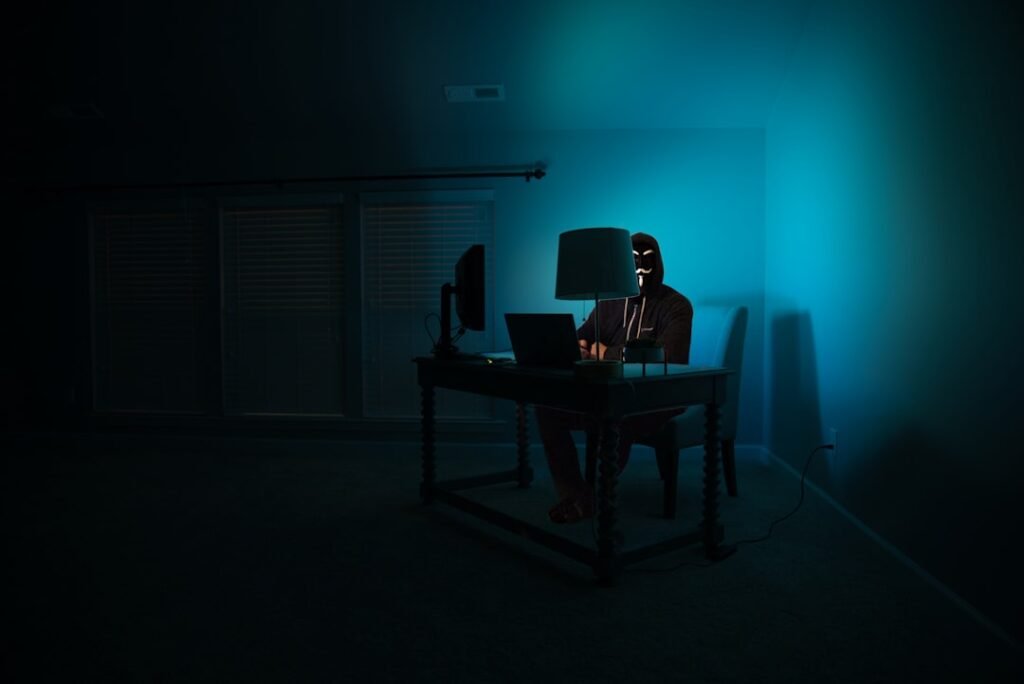
Phineas Fisher: The Elusive Hacktivist Who Exposed Spyware Makers
Earlier this month, the cybersecurity community was abuzz with renewed discussions about Phineas Fisher, the elusive hacktivist who famously breached two prominent government spyware firms, Hacking Team and Gamma Group. Despite being one of the most notorious hackers in recent memory, Fisher has never been apprehended. This raises important questions about cybersecurity vulnerabilities and the ethics of hacking for social justice.
### What Phineas Fisher Did
Phineas Fisher came into the limelight in 2015 when they infiltrated Hacking Team, an Italian company known for selling surveillance software to governments. Fisher leaked 400GB of data, revealing contracts, emails, and source codes. A year earlier, they had executed a similar attack on Gamma Group, a UK-based firm behind the controversial FinFisher spyware.
Fisher’s hacks were not just technical feats; they were politically motivated acts of hacktivism designed to expose the companies’ questionable dealings with authoritarian regimes. By publishing internal documents, Fisher aimed to hold these companies accountable for their role in enabling government surveillance.
### The Competitive Context
Spyware companies like Hacking Team and Gamma Group operate in a murky space where cybersecurity meets global politics. Their products are often marketed as tools for lawful government surveillance but have been criticized for enabling human rights abuses.
The breaches orchestrated by Phineas Fisher have had a lasting impact on the industry. Hacking Team, once a go-to provider for government surveillance software, faced severe reputational damage and financial instability. Gamma Group, while still operational, continues to be scrutinized for its client list and ethical practices.
While other cybersecurity firms have emerged to fill the void, the shadow of Fisher’s hacks looms large, prompting increased calls for transparency and ethical guidelines in the spyware industry.
### Implications for Founders and Engineers
For founders and engineers in the cybersecurity field, Fisher’s hacks underscore the importance of robust security protocols and ethical considerations. The breaches highlight the potential vulnerabilities in even the most secure systems and the reputational risks of operating in controversial sectors.
Startups aiming to enter the cybersecurity market must prioritize not just technical innovation but also ethical responsibility. Engineers, meanwhile, are reminded of the dual-use nature of their work; the same skills used to protect can also be used to expose and disrupt.
Investors should be wary of companies with opaque business practices, as the financial and reputational fallout from a security breach can be catastrophic. The ethical implications of investing in companies that operate in controversial sectors should not be underestimated.
### What’s Next?
As long as surveillance technology remains in demand, the ethical dilemmas and security challenges it brings will persist. Phineas Fisher’s actions serve as a stark reminder of the power individuals can wield in the digital age.
For cybersecurity professionals, the lesson is clear: prioritize transparency, ethics, and rigorous security measures. For investors, due diligence in understanding a company’s operations and potential liabilities is more crucial than ever. The surveillance industry may continue to evolve, but its shadowy corners will always be vulnerable to those seeking to expose them.
Originally reported by Techcrunch.