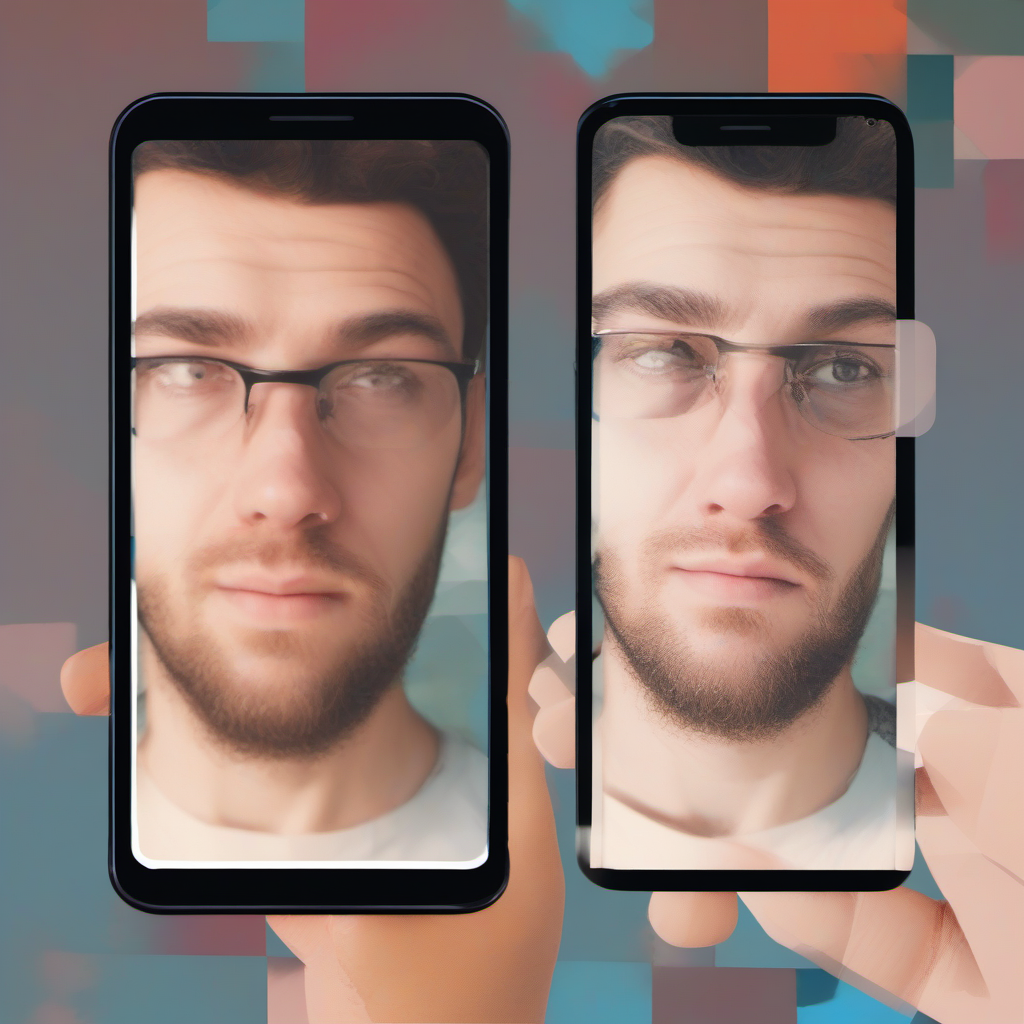
Google is rolling out a new feature that lets users sign in to their accounts using a selfie video. It’s a move that raises questions about consumer convenience, security, and the future of biometric authentication. While Google touts this as a way to provide more options for accessing accounts, the real question is whether this is a feature users truly need—or just another layer in the ever-thickening stack of digital security measures.
### What Does the Selfie Video Sign-In Actually Do?
Google’s selfie video sign-in is designed to offer users an alternative way to access their accounts, particularly if they’re locked out or don’t have their usual devices on hand. The feature allows users to verify their identity by recording a short video of themselves. This video is then analyzed using facial recognition technology to confirm the user’s identity.
The company claims this method is both secure and user-friendly, leveraging its advanced machine learning algorithms to ensure that the system can accurately identify users. However, Google has not disclosed the specifics of how these algorithms work or how they protect user data. This leaves room for skepticism about privacy implications, especially given the company’s history with data collection.
### Competitive Context: More Than Just a Trend?
Biometric authentication is not new, but the introduction of video selfies as a login method is relatively uncharted territory. Other tech companies, like Apple and Microsoft, have focused on fingerprint and facial recognition through hardware like sensors and cameras built into devices. Google’s approach differs by using a video format, which could be seen as both a clever workaround and a potential over-complication.
The competitive landscape is crowded with solutions promising to simplify and secure user authentication. Yet, Google’s move could be viewed as an attempt to differentiate itself by offering an additional layer of versatility. Whether users will embrace this method remains to be seen, especially as they weigh convenience against privacy concerns.
### Real Implications for Founders and Engineers
For founders and engineers, Google’s selfie video sign-in raises important considerations around user experience and security protocols. On the one hand, it provides a novel way to enhance account recovery processes, potentially reducing friction for users who find themselves locked out. On the other hand, integrating such technology requires careful attention to data privacy laws and ethical considerations surrounding biometric data storage and usage.
Startups in the authentication space may find themselves needing to reassess their strategies. The introduction of video selfies could push competitors to innovate or risk being outpaced. Engineers, in particular, will need to focus on developing robust encryption and data protection measures to address potential vulnerabilities that video data introduces.
### What Happens Next?
As Google rolls out this feature, the tech world will be watching closely to see how users respond and how effectively the system works in practice. For founders and engineers, this development underscores the need for constant vigilance in balancing convenience, security, and user privacy. Expect some users to welcome the flexibility while others remain wary of privacy risks. For now, it’s a reminder that in the tech world, solving one problem often means creating another.