
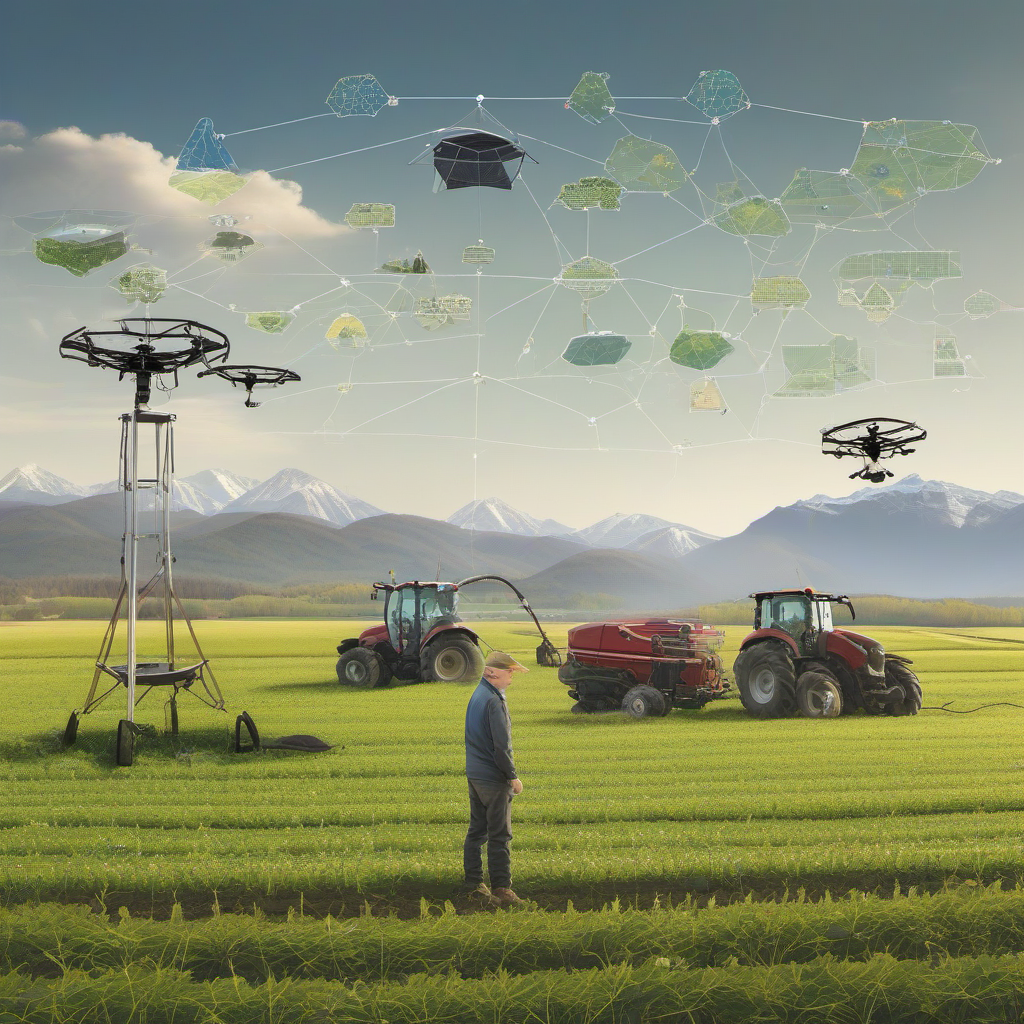
Canada’s agricultural sector is facing a pivotal moment. Once a top-five contributor to the global food supply, the nation has slipped to ninth place. This decline comes at a time when global food production needs to increase by over 50% by 2050 to meet demand. Farm Credit Canada, led by CEO Justine Hendricks, believes innovation is key to reversing this trend and unlocking billions in potential revenue.
## What Farm Credit Canada is Doing
Farm Credit Canada (FCC) is a Crown corporation focused on financing the agriculture industry. It aims to boost productivity and innovation in Canadian farming through strategic investments and support. The organization argues that by increasing productivity to past levels, Canada could generate an additional $30 billion in net farm income over the next decade.
FCC’s approach centers on enhancing technological adoption in the farming sector. The corporation provides financial products and services to encourage farmers to integrate advanced technologies that can improve yield per acre. However, Canadian farmers currently face a significant investment gap compared to their American counterparts, with a 23-to-1 disparity in agtech investment.

## Competitive Context and Challenges
The global agricultural landscape is fiercely competitive, with countries like the Netherlands outperforming Canada despite their smaller landmass. This success is attributed to their robust investment in agricultural technology. For Canada to reclaim its position as an agricultural leader, it must close the investment gap and foster an environment conducive to innovation.
Canadian farmers are faced with several challenges that hinder technological adoption. The industry is capital-intensive, requiring substantial upfront investment. Moreover, with the average age of Canadian farm operators at 56, many are nearing retirement, which could lead to significant turnover and asset transfer in the coming years. This demographic shift presents both a challenge and an opportunity for new entrants who are tech-savvy and willing to embrace innovation.
## Implications for Founders and Engineers
For founders and engineers in the agtech sector, this scenario presents a unique opportunity. The need for technological solutions in agriculture is pressing, and those who can provide innovative, cost-effective solutions stand to benefit. There is a growing market for technologies that can increase yield, reduce risk, and optimize resource use.
Engineers and developers should focus on creating scalable and adaptable technologies that cater to the specific needs of Canadian farmers. Solutions that address the risk-averse nature of farming, perhaps through data-driven insights and predictive analytics, could gain traction. Additionally, addressing the financial barrier through affordable tech options or creative financing models could encourage adoption.
## What Happens Next
Canada’s future as a global agricultural powerhouse hinges on its ability to innovate and invest in agtech. For this transformation to occur, stakeholders across the industry must collaborate to encourage investment and the development of new technologies. As the older generation of farmers transitions out, there is an opportunity for new leaders who prioritize innovation to step in.
For founders and engineers looking to make an impact, now is the time to engage with the agricultural sector. By understanding the unique challenges and opportunities within Canadian farming, they can develop solutions that not only enhance productivity but also ensure the sector’s long-term sustainability and competitiveness on the global stage.