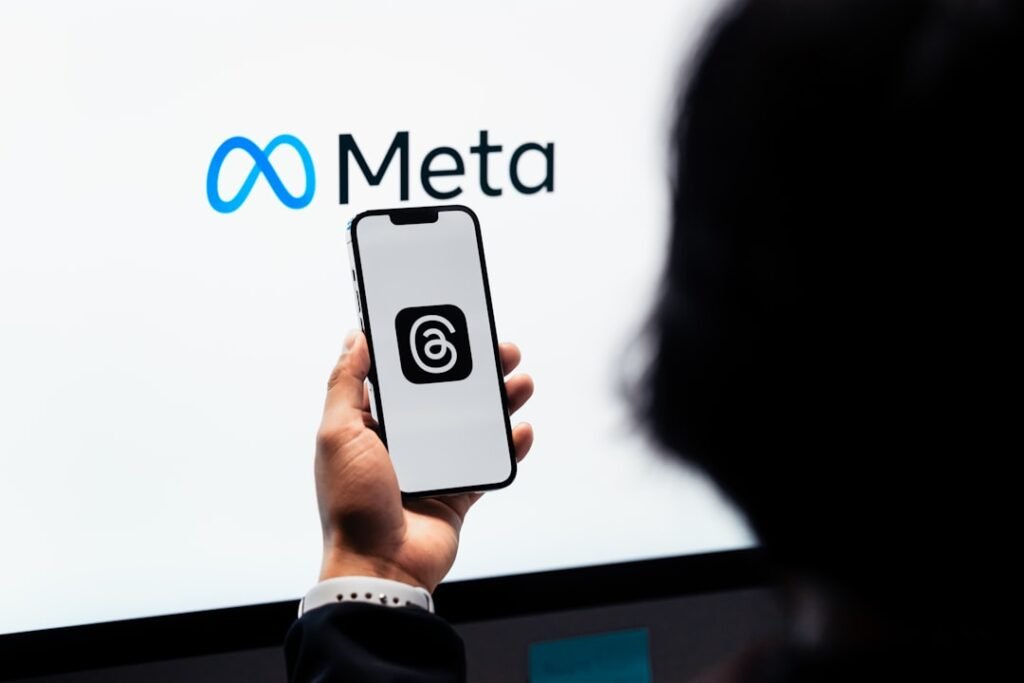
Meta has once again postponed the release of its latest AI model to developers, raising eyebrows across the tech industry. This delay underscores the challenges tech giants face in delivering on AI promises while maintaining quality and safety standards. As competitors like Google and OpenAI continue to roll out AI models at a breakneck pace, Meta’s repeated postponements could impact its standing in the AI landscape and raise questions about the readiness and value of its offering.
## What Meta’s AI Model Actually Does
Meta’s upcoming AI model, internally known as “LLaMA” (Large Language Model Meta AI), is designed to push the boundaries of natural language processing. The model aims to enhance machine understanding of human language, enabling more nuanced and context-aware interactions. Unlike its predecessors, LLaMA is expected to incorporate advanced features like real-time language translation and improved conversational capabilities. Yet, the specifics of its unique selling propositions remain under wraps, leaving developers and tech enthusiasts guessing about its true differentiators.
The stakes are high for Meta as it positions LLaMA to compete with OpenAI’s GPT-4 and Google’s Bard. Both rival models have already made headway in various applications, from customer service automation to content generation. Meta’s challenge lies not just in matching these capabilities but in offering something that truly resonates with developers and end-users alike.
## Competitive Context
The AI model space is fiercely competitive, with tech giants vying for dominance through speed and innovation. OpenAI and Google have set a rapid pace, continuously releasing updates and enhancements to their models. OpenAI’s GPT-4, for instance, has been praised for its versatility and improved accuracy, while Google Bard’s integration with Google’s ecosystem offers seamless user experiences.
Meta’s delays could be seen as a strategic move to refine LLaMA or a sign of internal hurdles. Either way, the postponement gives competitors more time to solidify their positions and capture market share. For developers, this means a longer wait to test Meta’s model and assess its utility against existing options. For investors, the delay might signal caution, as the AI race is as much about speed as it is about quality.
## Real Implications for Founders, Engineers, and the Industry
For startup founders and engineers, the delay presents both a challenge and an opportunity. Those reliant on Meta’s ecosystem might find themselves in a holding pattern, unable to leverage potential integrations with LLaMA. This could lead to temporary stagnation in projects that anticipated the model’s capabilities. On the flip side, it creates a window for exploring alternative AI solutions that are already available and proven.
The industry at large could interpret Meta’s delay as a sign of the complexities involved in developing cutting-edge AI responsibly. With increasing scrutiny over AI ethics and safety, ensuring robust output without bias or error is crucial. Engineers working on AI projects may take this as a cue to prioritize thorough testing and ethical considerations over rapid deployment.
## What’s Next?
Meta’s next move will be closely watched by the tech industry. The company must balance the urgency of releasing LLaMA with the need to ensure it meets high standards of quality and safety. For founders and engineers, this situation serves as a reminder of the volatility and unpredictability inherent in tech development. It’s a call to build flexibility into project timelines and to stay informed about alternative technologies that can fill the gap while waiting for Meta’s next steps.