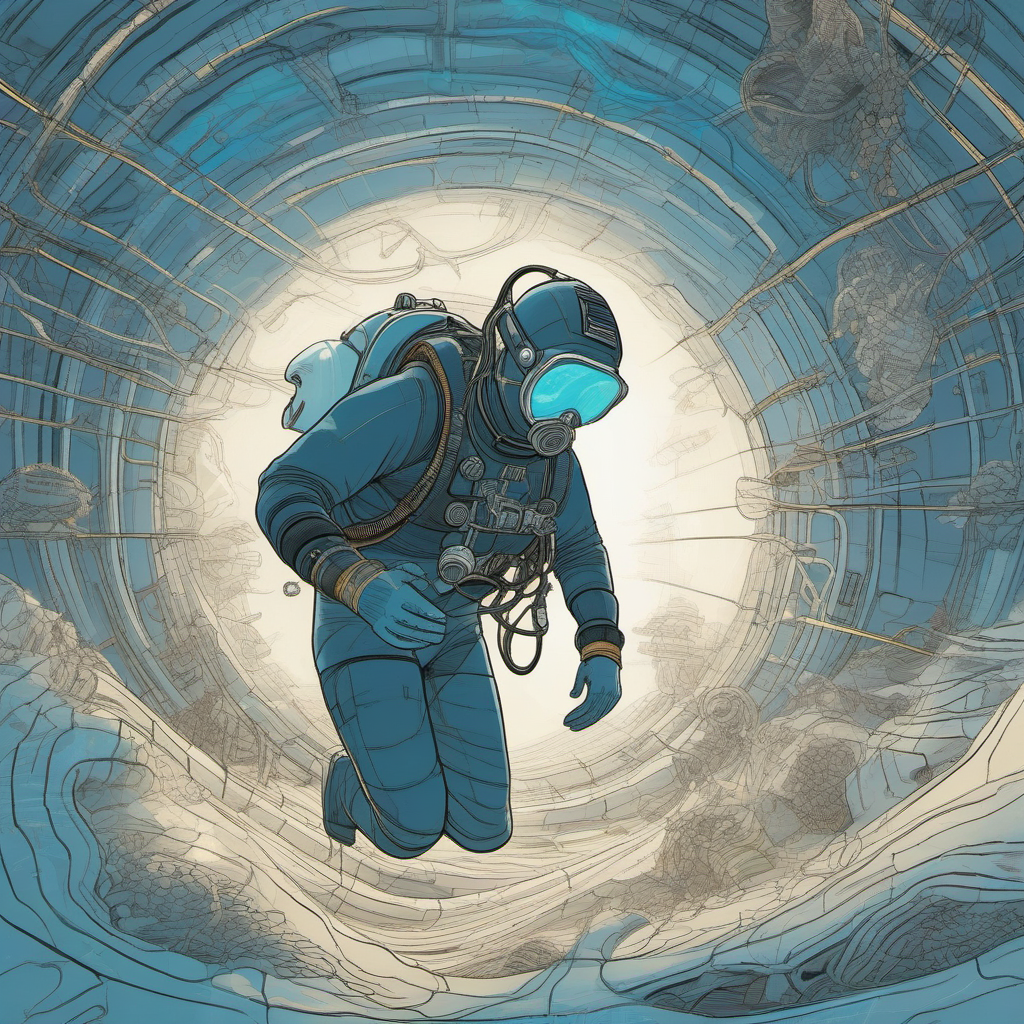
Canada’s infrastructure ambitions are massive, yet the risks that could derail these projects often lie beneath the surface. GroundedAI, a Vancouver-based startup, is stepping into this void with a technology that promises to transform underground construction by providing real-time insights into subsurface conditions. As Canada prepares to invest hundreds of billions in transit, energy, and other infrastructure projects, GroundedAI’s approach could be critical in ensuring these projects are delivered on time and within budget.
### What GroundedAI Does
GroundedAI’s platform enables engineers to capture detailed 3D scans of underground conditions, offering a real-time comparison against project plans. This capability allows for the early identification of unexpected ground conditions, enabling teams to make faster, more informed decisions. By providing this level of insight, GroundedAI seeks to improve safety, streamline the documentation of change orders, and prevent minor issues from escalating into costly delays.
The startup recently secured $2 million in funding from a group of investors led by Stand Up Ventures, with participation from firms like SOSV, Accelia, and others. This capital injection will support GroundedAI’s expansion into the tunnelling sector and facilitate the growth of its team in Vancouver. The company is already collaborating with engineering firms such as Hatch and Delve Underground, laying the groundwork for broader adoption of its technology.
### The Competitive Landscape
The field of underground construction technology is not without its competitors, yet the market remains ripe for disruption. Traditional methods rely heavily on limited drill samples and manual inspection notes, which often result in incomplete or outdated data. While drones and satellite imagery have revolutionized above-ground construction by making detailed data more accessible, the underground sector has lagged in adopting such digital technologies.
GroundedAI differentiates itself by offering a “same-shift” visibility into ground conditions, which is a significant departure from the status quo. Current practices involve manual mapping and delayed data analysis, which can lead to missed risks and inefficiencies. GroundedAI’s real-time capabilities aim to fill this gap, providing a competitive edge over traditional methods and other emerging technologies that have yet to offer similar immediacy or integration.
### Implications for Founders, Engineers, and the Industry
For founders and investors, GroundedAI’s approach highlights a lucrative opportunity in an often-overlooked segment of the construction industry. The ability to reduce uncertainty and risk in underground projects can translate to substantial cost savings and efficiency gains, making it an attractive proposition for investment.
Engineers stand to benefit significantly from the platform’s capabilities, which streamline data collection and analysis processes, freeing up valuable time and resources. With the potential to improve project predictability, engineers can focus more on design and execution rather than administrative tasks.
On an industry level, GroundedAI’s technology could set a new standard for underground construction practices. As Canada embarks on a once-in-a-generation infrastructure build cycle, the need for reliable and timely subsurface data will only grow. GroundedAI’s platform could become an essential tool for ensuring that these ambitious projects are completed successfully.
### What Happens Next
GroundedAI is poised to play a pivotal role in the coming infrastructure boom in Canada. As the startup expands its reach within the tunnelling sector, it will likely continue to refine its technology and explore partnerships that enhance its market position. For founders looking to capitalize on emerging construction technologies, GroundedAI’s progress is worth monitoring. Engineers might consider how such tools can be integrated into their current workflows to enhance efficiency and project outcomes. As the industry evolves, embracing digital transformation will be key to staying competitive and meeting the demands of future infrastructure projects.