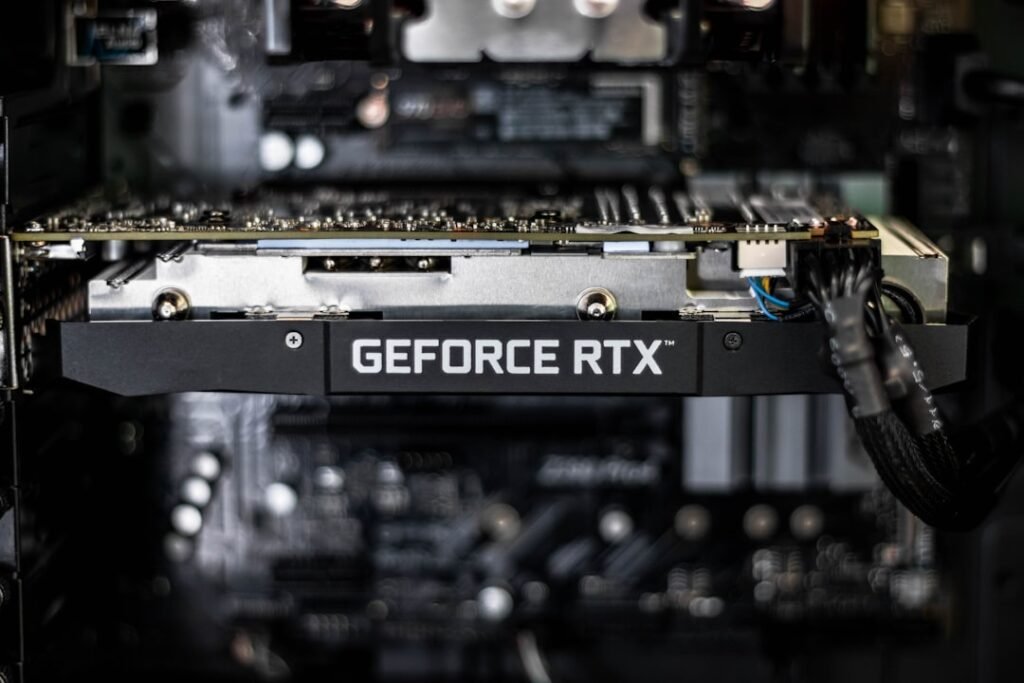
In a clear signal of shifting priorities within the tech investment landscape, a $400 million chip-backed loan has been finalized, focusing on inference chips rather than the traditional GPU investments. For years, GPUs have been the backbone of AI computations, but as AI workloads evolve, so too does the infrastructure that supports them. This deal highlights a burgeoning interest in inference chips, which are optimized for the specific task of running AI models efficiently.
### What Are Inference Chips?
Inference chips are designed to handle the specific tasks of executing AI models, known as inference tasks. Unlike GPUs, which are versatile and can handle various computational loads, inference chips are specialized for the deployment phase of AI models. This specificity allows for faster processing and lower energy consumption, making them ideal for environments where efficiency and speed are paramount.
In the context of AI infrastructure, inference chips offer an optimized solution for applications like image recognition, natural language processing, and real-time data analysis. Companies are increasingly looking to these chips to power AI-driven services that require quick, accurate outputs without the resource intensity of GPUs.
### Competitive Context
The pivot towards inference chips comes as tech giants like NVIDIA and Intel face emerging competition from startups and other semiconductor companies developing their own inference-focused solutions. These chips are gaining traction in sectors like autonomous vehicles, smart devices, and cloud computing services, where the demand for fast and efficient AI computations is skyrocketing.
While GPUs have dominated the AI landscape, their general-purpose nature makes them less efficient for specific AI tasks. Inference chips, with their tailored architecture, offer a competitive edge by reducing latency and energy use—two critical factors as AI systems scale.
This competitive shift is reflected in the investment patterns of major tech financiers, who are now placing significant bets on the future of inference technology. The $400 million deal underscores a broader trend where investors are looking beyond traditional components to fuel AI’s next stages.
### Real Implications for Founders and Engineers
For founders and engineers, this deal offers a glimpse into the evolving priorities of tech infrastructure. Startups in the AI space should consider how inference chips could be integrated into their products to enhance performance and reduce operational costs. Engineers working on AI deployments might find themselves increasingly tasked with optimizing models for inference chips to meet the growing demand for efficient AI systems.
Moreover, this shift could lead to new opportunities in the semiconductor industry, as demand for customized AI solutions drives innovation in chip design. Engineers and product managers might explore collaborations with chip manufacturers to create bespoke solutions tailored to their specific AI applications.
For investors, the move towards inference chips signals a potential area of growth, as traditional GPU markets reach saturation. Those with stakes in AI-centric ventures should assess the competitive landscape and consider reallocating resources towards companies that are pioneering inference technologies.
### What Happens Next?
As the AI ecosystem continues to expand, the role of inference chips is likely to grow, reshaping how companies approach AI model deployment. Founders should stay informed about developments in chip technology to ensure their offerings remain competitive. Engineers will need to adapt their skills to optimize for these new architectures. For investors, the message is clear: the future of AI infrastructure is evolving, and those who anticipate these changes may find themselves ahead of the curve.