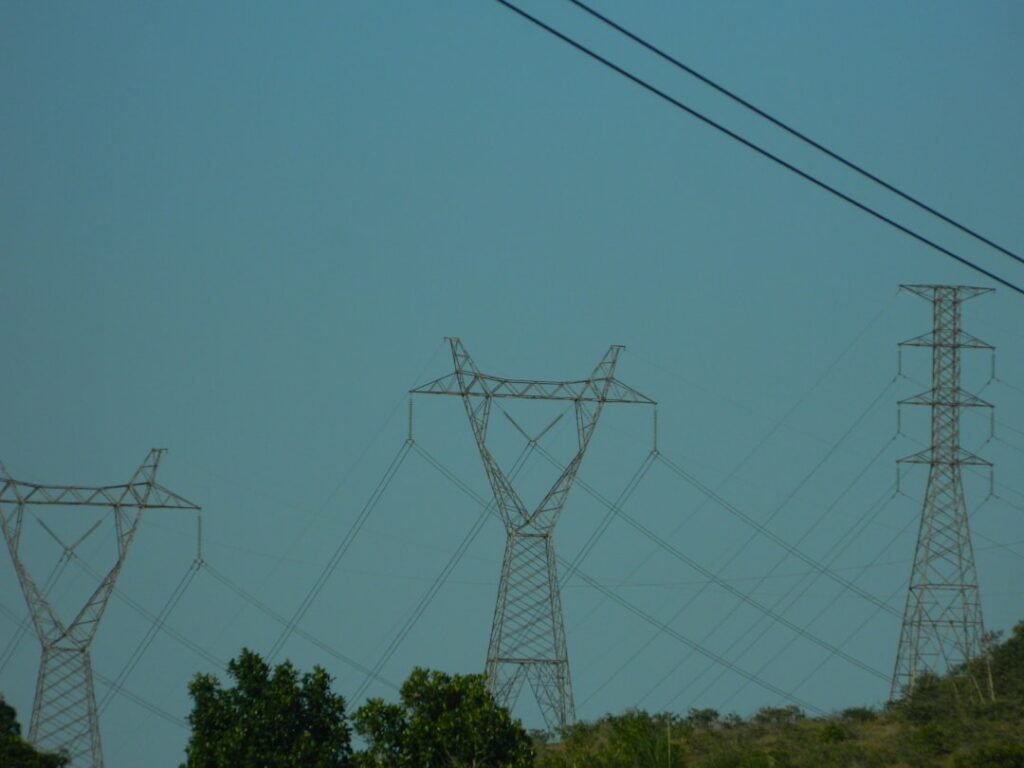
A recent incident in Northern Virginia has thrown a spotlight on the vulnerabilities of AI-driven data centers when faced with power disruptions. A single fallen power line was enough to expose their fragility, raising questions about the resilience of these high-tech fortresses against grid instability. As AI becomes increasingly central to operations, the need for robust and adaptable infrastructure is more critical than ever.
## What AI Data Centers Actually Do
AI data centers are the beating heart of modern computational power, housing servers that process vast amounts of data for everything from machine learning to cloud computing services. These centers aim to deliver high-performance computing capabilities that support advancements in artificial intelligence, making them indispensable to tech giants and startups alike. However, their dependence on consistent power supply is a glaring vulnerability. When even a minor disruption can lead to significant downtimes, the efficiency and reliability of these centers come into question. The Northern Virginia incident highlights the need for data centers to reassess their power backup systems and contingency plans.
## Competitive Context: A Strain on Resources
The race to build more advanced AI data centers is intense, with companies like Google, Amazon, and Microsoft continually expanding their infrastructure. These tech behemoths are in a constant battle to outdo each other in terms of processing speed and energy efficiency. However, this arms race comes with its own set of challenges, particularly in regions where power grids are already under strain. The demand for energy-hungry data centers is growing, but the infrastructure to support them isn’t keeping pace. As companies push the boundaries of what AI can do, they also need to innovate on how these capabilities are powered and sustained.
## Real Implications for Founders, Engineers, and the Industry
For founders and engineers, the incident in Northern Virginia is a wake-up call. It underscores the necessity of designing data centers with more robust power management and backup systems. Engineers need to explore alternative energy sources and sustainable practices to mitigate the risks associated with power failures. This could mean investing in renewable energy solutions or developing smarter grid technologies that can adapt to fluctuations in demand. For the industry at large, the challenge is to balance the rapid deployment of AI technologies with the sustainability of the supporting infrastructure. Investors might see opportunities in startups focusing on energy-efficient computing and grid resilience technologies.
## What Happens Next
The incident in Northern Virginia is likely to spur a reevaluation of how data centers are designed and powered. As the demand for AI services grows, so too will the need for more reliable and sustainable power solutions. For those in the tech industry, this means prioritizing infrastructure resilience alongside innovation. Founders and engineers should focus on developing technologies that not only advance AI capabilities but also ensure their stability in the face of inevitable power disruptions. The future of AI data centers will depend on their ability to adapt and thrive in an increasingly unpredictable energy landscape.
Originally reported by Techcrunch.