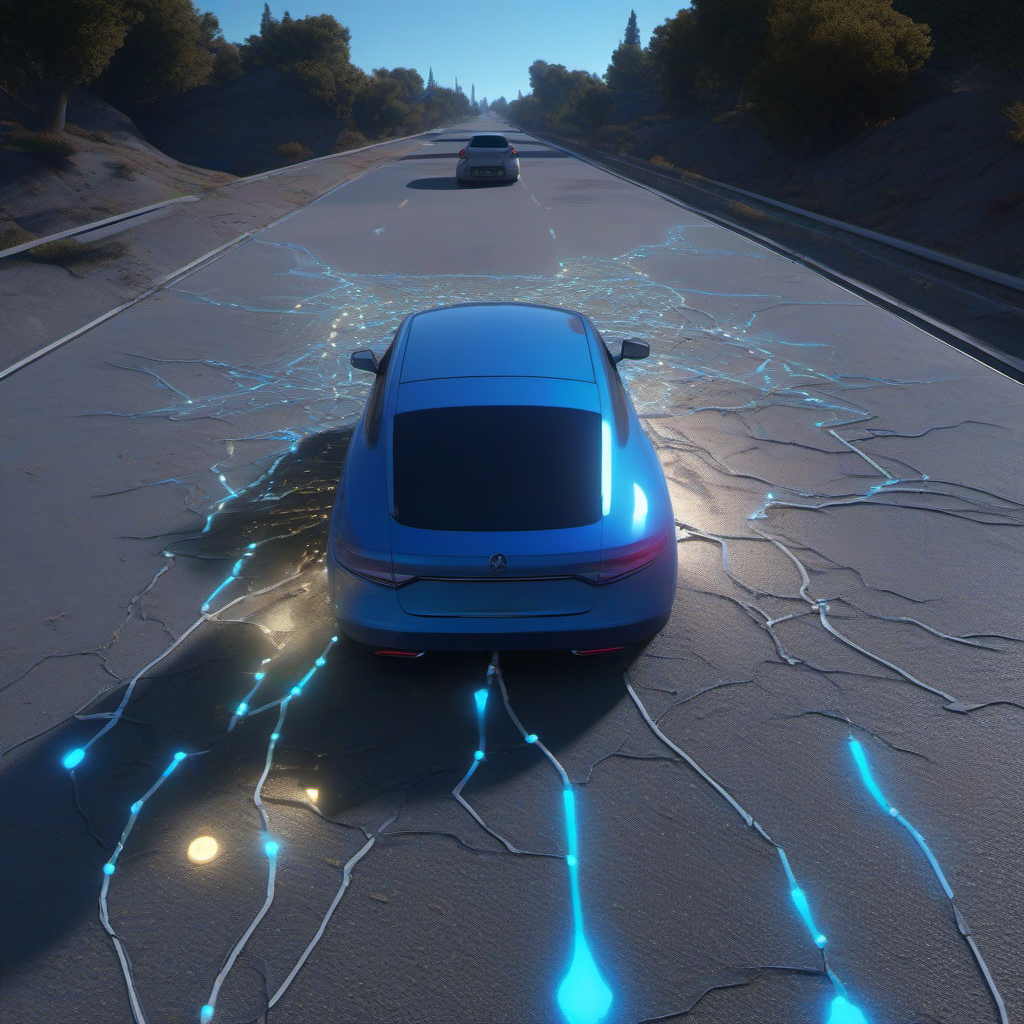
Samsara, a fleet management company, has harnessed artificial intelligence to transform connected vehicles into mobile pothole detection units. As infrastructure debates and maintenance backlogs plague cities globally, the ability to identify and track potholes could not only save municipalities money but potentially improve road safety. For engineers and city planners, this AI-driven approach could offer a much-needed technological boost to an age-old problem.
### What Samsara’s Technology Does
Samsara’s AI model is designed to detect and categorize different types of potholes, assessing their severity and tracking their rate of deterioration. This model utilizes data collected from connected vehicle fleets, transforming ordinary drive routes into data collection missions. The system leverages a blend of computer vision and machine learning algorithms to analyze road conditions in real-time, flagging potential hazards for city maintenance teams.
The company claims this technology can streamline road maintenance schedules by providing up-to-date information on road conditions, ultimately leading to more efficient use of resources and better road safety. Samsara’s platform integrates seamlessly with existing fleet management systems, which means fleet operators can easily adopt this technology without the need for extensive overhauls.
### Competitive Context and Industry Implications
Samsara isn’t alone in the market. Companies like StreetScan and RoadBotics are also deploying similar technologies to tackle the pothole problem. StreetScan uses a combination of sensors and AI to collect road condition data, while RoadBotics employs smartphone cameras to achieve similar ends. These companies are all vying for a piece of the smart city infrastructure pie, a market which is rapidly growing as municipalities seek efficient solutions to long-standing problems.
However, the question of consumer value remains. While the technology promises efficiency, it’s largely dependent on the willingness of municipalities to invest in these systems. Budget constraints and political priorities can slow adoption, leaving the true impact of these technologies uncertain. For the technology to be truly effective, it requires widespread adoption and integration into existing municipal frameworks, something that has historically been a slow and complex process.
### Real Implications for Founders, Engineers, and Industry
For founders and engineers, Samsara’s approach highlights the growing importance of AI in traditional industries like infrastructure and urban planning. The deployment of AI models in connected vehicles opens up new avenues for data-driven urban management, making it an attractive sector for tech entrepreneurs.
Engineers working with AI and machine learning have the opportunity to refine algorithms that can handle real-world variables, such as weather conditions and traffic patterns, which affect pothole formation and detection. The challenge and opportunity lie in creating robust models that can operate effectively in diverse environments.
Investors might see potential in backing technologies that promise to modernize outdated municipal services. However, they must weigh the risks associated with the slow pace of government adoption and the complexities of integrating new tech into existing systems.
### What’s Next for Samsara
Looking forward, Samsara will likely focus on expanding partnerships with cities and fleet operators to scale its pothole detection technology. Success hinges on convincing municipal authorities of the cost-saving and safety benefits, as well as proving the system’s reliability in varied urban settings.
For founders and engineers eyeing this space, the lesson is clear: while the integration of AI into traditional sectors holds promise, the path to widespread adoption is fraught with challenges that require patience, persistence, and strategic partnerships to navigate effectively.