Bell Media is diving into the digital age with a new initiative that could transform how historical Canadian content is preserved and accessed. By teaming up with Google and utilizing its Gemini AI technology, Bell aims to digitize a vast archive of Canadian video content. This partnership is noteworthy not just for the tech involved but also for what it represents: a concerted effort to safeguard Canada’s cultural and media history in an era when physical media is increasingly obsolete.
### What Bell and Google Gemini Are Actually Doing
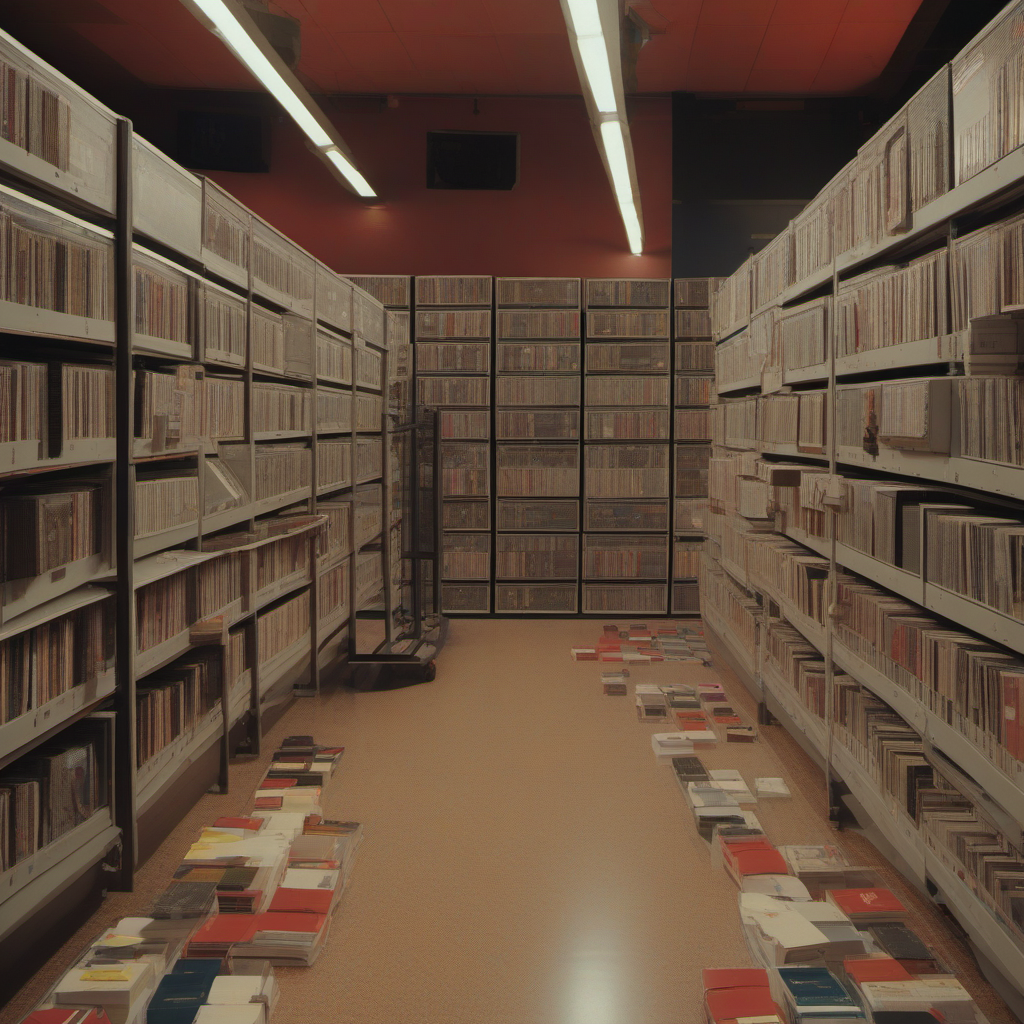
The core of this project lies in the digitization of Bell’s extensive video archive, which consists of between 300,000 to 400,000 physical tapes. These tapes contain over 250,000 hours of programming that spans decades, dating back to the early 1960s. The content includes news, music, and entertainment programming, much of which is at risk of deterioration due to the age and fragility of the media.
Google’s Gemini AI technology will be instrumental in the digitization process. Gemini, Google’s advanced AI, is designed to handle large-scale data processing tasks, making it well-suited for converting such a massive volume of content into digital formats. Once digitized, these videos will be accessible on YouTube, offering a new life to content that might otherwise be lost to time.
### Competitive Context
Bell’s move comes at a time when the media industry is increasingly focused on digital transformation. Competitors like Rogers and CBC have also been exploring similar avenues to preserve and modernize their content libraries. However, the scale of Bell’s project, coupled with Google’s AI capabilities, sets it apart from more piecemeal efforts.
While other media companies have dabbled in digitization, few have the backing of a tech giant like Google. This partnership potentially gives Bell a competitive edge in terms of both technology and reach. As content consumption habits shift toward digital platforms, having an extensive, easily accessible digital archive could prove advantageous, not just for Bell, but for Canadian media consumption as a whole.
### Real Implications for Founders, Engineers, and the Industry
For engineers and developers, this project underscores the growing importance of AI in media preservation and accessibility. The use of AI technology like Google Gemini highlights a trend where engineering skills are increasingly applied to cultural preservation efforts. This could open up new career opportunities in sectors that blend technology with media and historical archives.
Founders and startups might see this as a signal to explore niches in media tech that are currently underdeveloped. The digitization and AI-driven curation of media archives could inspire new startups focused on specific aspects of this field, such as metadata enrichment or AI-enhanced searchability.
For the industry at large, this initiative raises questions about the future of content ownership and accessibility. As media companies digitize their archives, the balance of power might shift towards those with the most advanced tech partnerships. It also could lead to increased expectations for how accessible and well-preserved content should be, setting new standards that others will need to follow.
### What Happens Next
As Bell and Google move forward with this project, the focus will be on the efficiency and effectiveness of the digitization process. Success could lead to similar initiatives across the media landscape, potentially sparking a broader push for the preservation of historical content.
For founders and engineers eyeing the media tech space, this development suggests a fertile ground for innovation. Whether it’s partnering with large companies or developing new tools to enhance digitization efforts, the opportunities are ripe for those ready to seize them.