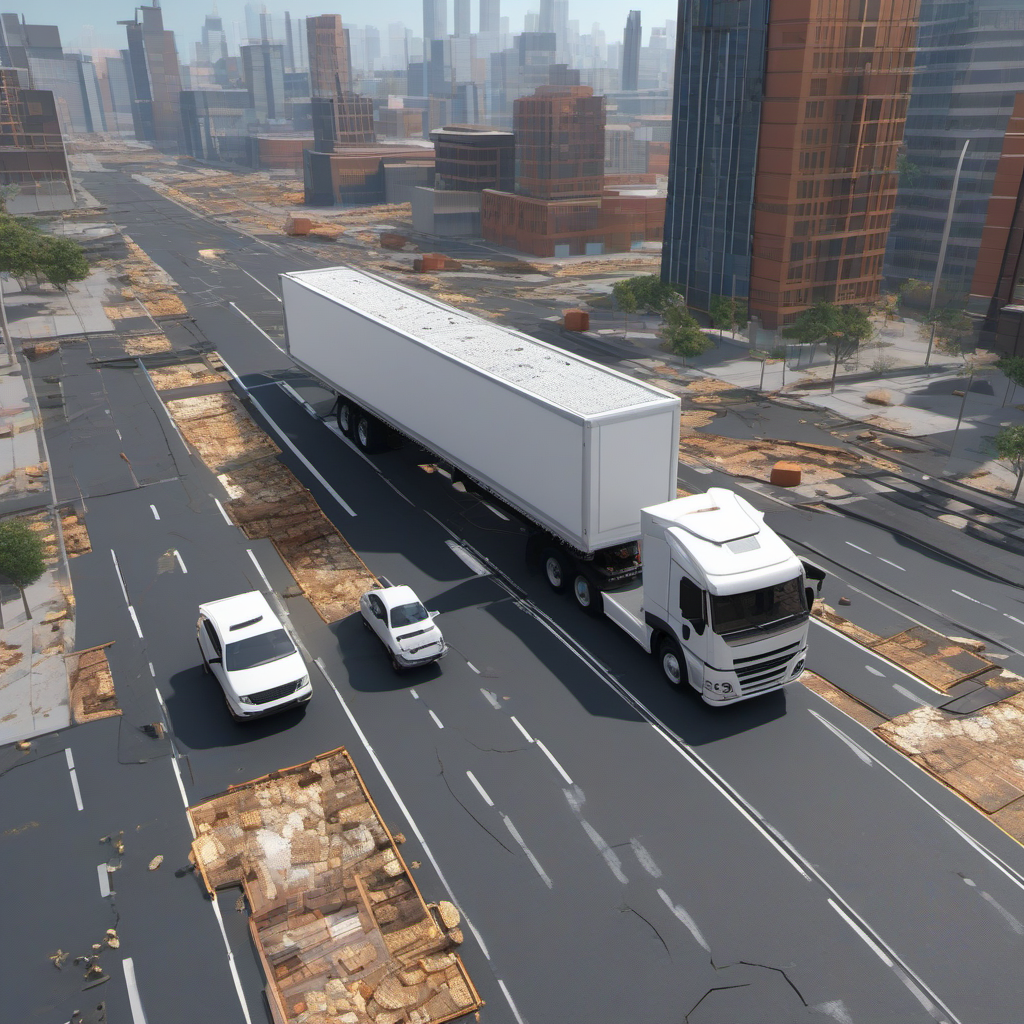
Potholes are a persistent problem for cities, leading to costly repairs and irate citizens. Enter Samsara, a fleet management company that claims it can address these road nuisances using artificial intelligence and a fleet of sensor-equipped trucks. With urban infrastructure budgets already stretched thin, Samsara’s approach could be a cost-effective measure—or just another tech solution searching for a problem.
### What Samsara’s AI Pothole Detector Actually Does
Samsara has integrated an AI model with its fleet management platform to identify potholes and assess their rate of deterioration. The system uses data collected by sensors installed on city trucks, which are already in operation for other municipal tasks. These sensors gather real-time information as the trucks traverse city streets, feeding data back to the AI model for analysis.
The model then classifies the severity of potholes and predicts how rapidly they might worsen. The idea is to prioritize repairs based on this data, allowing cities to allocate resources more effectively. However, whether this actually translates to more efficient road maintenance remains to be seen. Cities must weigh the potential benefits against the costs of implementing and maintaining such a system.
### Competitive Context: A Crowded Road Ahead
Samsara’s entry into the pothole detection space joins a growing list of tech-driven infrastructure solutions. Competitors include companies like RoadBotics, which also uses AI to assess road conditions via smartphone imagery. Moreover, Google Maps and Waze have ventured into this territory with crowdsourced traffic and road condition data.
While Samsara’s use of existing city fleets offers a unique angle, the competitive landscape is crowded. Each solution promises to optimize road maintenance, but cities need to determine which, if any, offers real value. The challenge lies in distinguishing genuine utility from overhyped technology, especially when public funds are involved.
### Real Implications for Founders, Engineers, and the Industry
For startup founders and engineers, Samsara’s technology underscores the growing importance of AI in infrastructure management. It offers a case study in leveraging existing assets—like city trucks—for novel applications. However, it also serves as a cautionary tale against overselling AI’s capabilities. Not every problem requires a high-tech solution, and the effectiveness of AI in real-world applications often falls short of its theoretical potential.
For the industry, this development signals a continued trend towards data-driven decision-making in urban management. Yet, the emphasis should remain on practical applications rather than technological spectacle. Companies entering this space must prioritize transparency and verifiable results to build trust with municipal clients.
### What’s Next for Samsara and Urban Infrastructure
Samsara will need to prove its technology can deliver on its promises in a real-world setting. Pilot programs or partnerships with cities could provide the necessary data to validate its claims. If successful, this approach might lead to broader adoption and potential market growth.
For founders and engineers eyeing this sector, the takeaway is clear: focus on creating tangible value and measurable outcomes. As cities become more data-centric, the appetite for tech solutions will grow—but only for those that can demonstrate clear, cost-effective benefits.