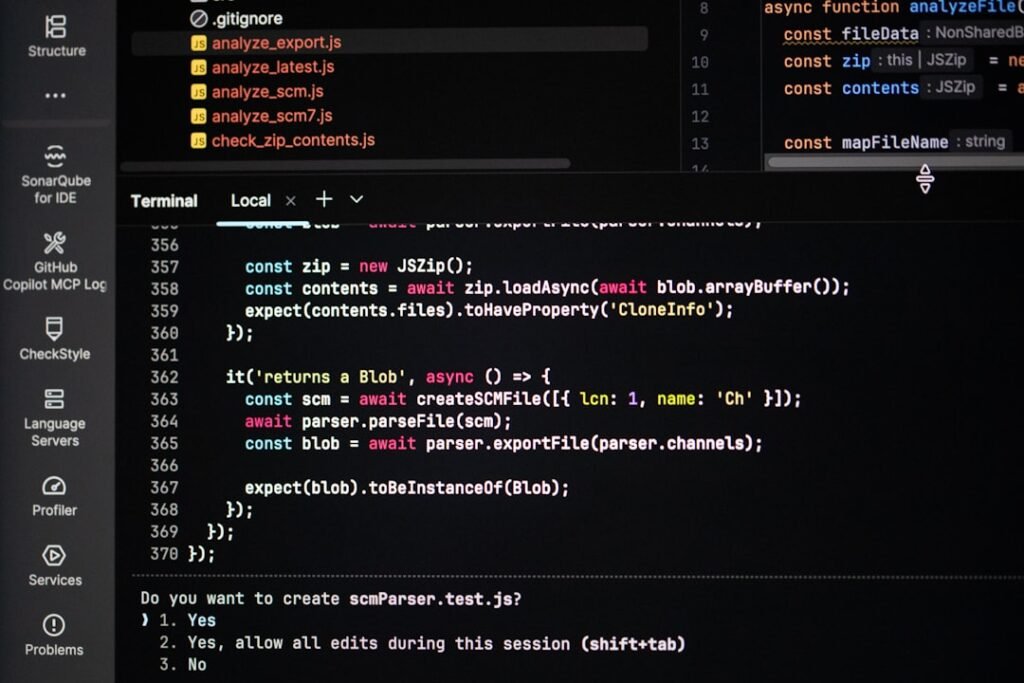
Agentic AI has made headlines with its claim to have solved the coding conundrum, fundamentally altering the landscape of software engineering. The company, renowned for leveraging artificial intelligence to streamline the coding process, has prompted a crucial industry question: If we’re churning out code faster than ever, why aren’t our products improving at the same rate? This paradox is stirring up conversations across boardrooms and engineering teams worldwide.
### What Agentic AI Actually Does
Agentic AI’s core offering is its ability to significantly accelerate code generation. By automating the coding process, the company promises to free up developers from the mundane task of writing lines of code, allowing them to focus on more strategic aspects of software development. This AI-driven approach is intended to optimize productivity, enabling engineering teams to execute projects with unprecedented speed.
However, the real-world application of this technology reveals a more complex picture. The bottlenecks in software development have never been solely about writing code. Challenges such as defining clear requirements, integrating with existing systems, and maintaining software in dynamic environments remain. Automated code generation does not address these issues, and in many cases, it exacerbates them by creating new layers of complexity.
### Competitive Context: The Race to Automate
Agentic AI enters a crowded market of companies vying to automate various aspects of software engineering. Competitors like GitHub Copilot and OpenAI’s Codex also offer AI-powered coding solutions, each with its own strengths and weaknesses. The competitive landscape is evolving rapidly, with each player attempting to carve out a niche through unique capabilities or integrations with popular development environments.
Despite the intense competition, Agentic AI’s approach highlights a critical industry shift towards automation. However, the promise of faster coding does not necessarily translate into better products. The real challenge lies in managing the deluge of AI-generated code and ensuring that it meets the high standards of quality and functionality that consumers demand.
### Real Implications for Founders, Engineers, and the Industry
For founders and engineers, the rise of AI in software development presents both opportunities and challenges. On one hand, the ability to generate code quickly can accelerate product development cycles and reduce time-to-market. On the other hand, it requires a rethinking of the entire engineering process to manage the influx of AI-generated code effectively.
The role of human oversight becomes even more critical in this context. As AI tools generate more code, the need for rigorous review processes increases to catch errors and ensure code quality. This shift could lead to the creation of new roles focused on AI oversight and quality assurance, as companies strive to maintain accountability and minimize operational risks.
Moreover, as AI becomes more integrated into the development process, companies need to establish robust governance frameworks. This includes setting clear guidelines for AI usage, managing financial exposure to AI services, and ensuring security protocols are adapted for AI-driven workflows.
### What Happens Next
As Agentic AI and its competitors continue to refine their offerings, the focus will likely shift from merely generating code to enhancing the entire software development ecosystem. This includes improving AI’s ability to understand complex requirements, integrating seamlessly with existing systems, and maintaining code under real-world conditions.
For founders and engineers, staying competitive will mean embracing these tools while also addressing the broader challenges they introduce. This involves investing in human expertise to oversee AI-generated work, adapting processes to accommodate new technologies, and exploring new business models that leverage AI’s capabilities responsibly. The future of software engineering is not just about faster code, but smarter, more holistic development practices that truly meet the needs of users.