Ring Enters ‘Intelligent Assistant’ Era with AI Innovations
Ring, the Amazon-owned video doorbell company, is undergoing a significant transformation under the leadership of its founder, Jamie Siminoff. After stepping away from the company in 2023, Siminoff has returned with a renewed focus on integrating artificial intelligence into Ring’s offerings. This shift aims to evolve Ring from a simple video doorbell provider into a comprehensive AI-driven "intelligent assistant" for homes.
The Company’s Vision
Siminoff’s return to Ring was driven by the potential of AI technology and personal experiences, such as the Palisades fires that destroyed his garage, where Ring was initially developed. The company has recently introduced several AI-powered features, including fire alerts, unusual event notifications, and conversational AI capabilities. These innovations are part of Ring’s broader strategy to enhance home security and convenience while reducing cognitive load for users.
One notable addition is the Fire Watch feature, developed in partnership with the nonprofit Watch Duty. This initiative allows Ring users to share footage during major fire events, helping to create maps for efficient resource deployment. Another feature, Search Party, uses AI to help locate lost pets, successfully reuniting families with their dogs at an impressive rate.
Context and Competition
Ring’s AI advancements place it in a competitive landscape alongside other smart home security providers. However, the company’s use of AI, particularly in facial recognition, has sparked privacy concerns. Critics, including consumer protection organizations, have raised alarms about potential misuse of data and privacy violations. Despite these concerns, Siminoff defends the company’s approach, emphasizing user choice and privacy.
Ring has also faced scrutiny over its partnerships with law enforcement. While the company ended some controversial police collaborations in 2024, it has recently reintroduced tools that allow law enforcement to request footage from Ring users. Siminoff argues that these tools can be crucial for public safety, citing their role in the apprehension of a mass shooting suspect.
Market Implications
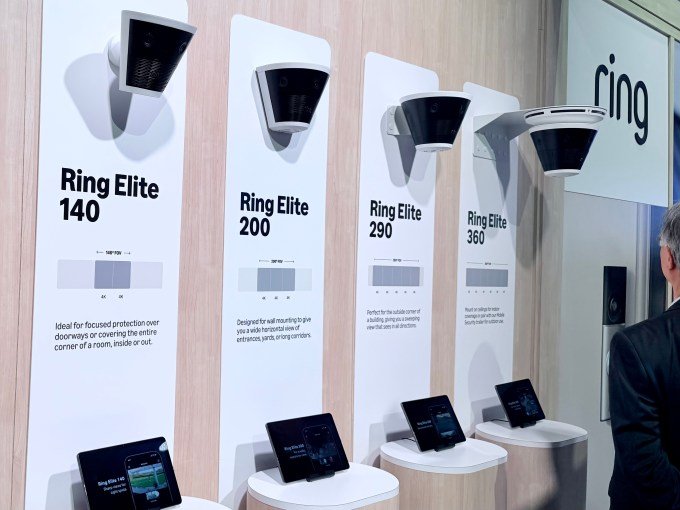
Ring’s pivot towards AI-driven solutions could significantly impact the smart home security market. By expanding its product line to include commercial camera systems and solar-powered surveillance trailers, Ring is broadening its customer base beyond residential users to businesses and public spaces. This move positions Ring as a versatile player in the security technology industry, catering to diverse needs across different sectors.
As Ring continues to integrate AI into its products, the company is likely to face ongoing debates over privacy and data security. However, its commitment to innovation and user choice may help maintain customer trust and drive further growth.
What’s Next?
Ring’s journey into the "intelligent assistant" era marks a pivotal moment in its evolution. As the company rolls out new AI features and expands its market reach, it will need to navigate the challenges of balancing innovation with privacy concerns. The success of these initiatives will be crucial in determining Ring’s future role in the smart home and security technology landscape. For more information, visit Ring’s website.