Razer Unveils Project Madison and Project Ava at CES 2026
At CES 2026, Razer introduced two innovative products: Project Madison, a gaming chair designed for immersive experiences, and Project Ava, a 3D hologram AI device. These developments highlight Razer’s commitment to enhancing gaming and tech interactions.
Project Madison
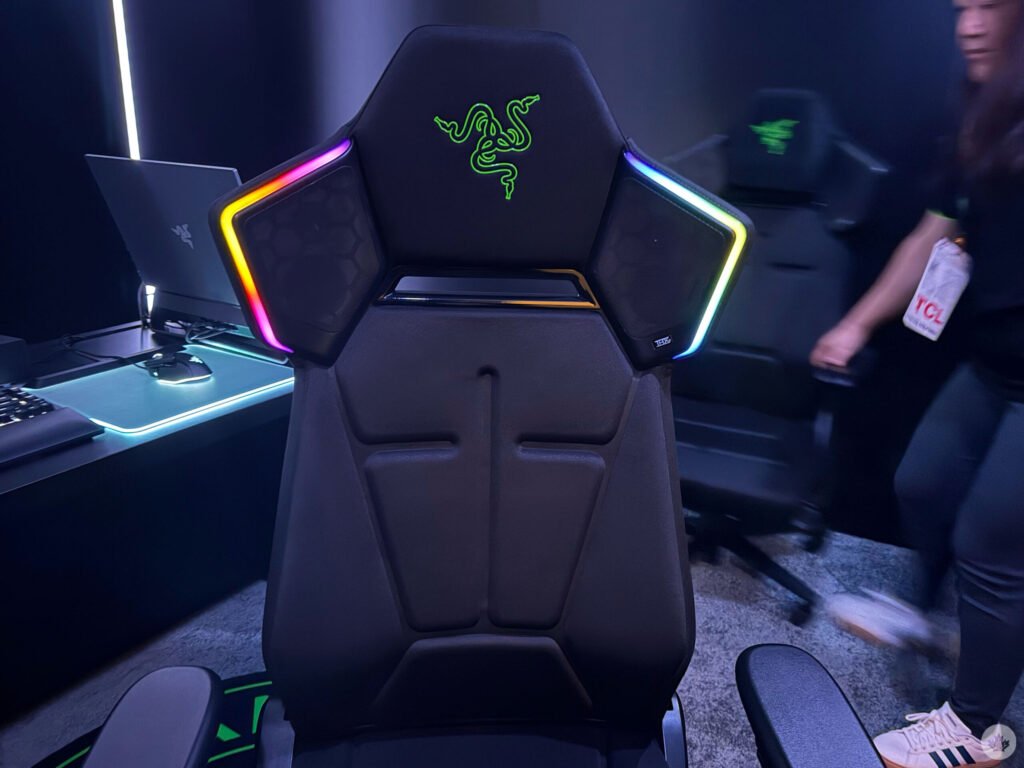
Project Madison is a gaming chair that aims to provide an immersive experience without the need for traditional headsets. Equipped with powerful speakers on both sides of the headrest, it supports 5.1 or 7.1 surround sound. The chair features Razer Chroma RGB lighting, offering 16.8 million colors and dynamic effects that synchronize with supported games.
A standout feature is the Multi-Zone Haptic Feedback, powered by Razer Sensa HD Haptics. Six integrated motor actuators respond in real-time to in-game and movie audio, enhancing immersion. Currently, Project Madison is compatible only with Windows PCs, though Razer hinted at potential future compatibility with consoles.
Project Ava
Project Ava presents itself as a 24/7 AI companion in the form of a 5.5-inch 3D hologram. Housed in a cylindrical device, it uses AI, cameras, microphones, and speakers for interaction. Currently powered by Grok AI, Razer plans to expand its capabilities with other large language models.
The device connects to a Windows laptop and offers functionalities such as scheduling, weather updates, and gaming assistance. While it currently requires a USB connection for optimal performance, Razer is exploring additional features, including customizable avatars.
Industry Implications
Razer’s latest innovations reflect broader trends in gaming and AI technology. The integration of haptic feedback and AI companions could redefine user interactions in gaming and daily life. As Razer continues to develop these projects, they may influence market dynamics and set new standards for gaming accessories.
Looking ahead, Razer’s focus on enhancing user experiences through advanced technology indicates potential shifts in consumer expectations and industry competition. As these projects evolve, they could play a significant role in shaping the future of gaming and AI integration.