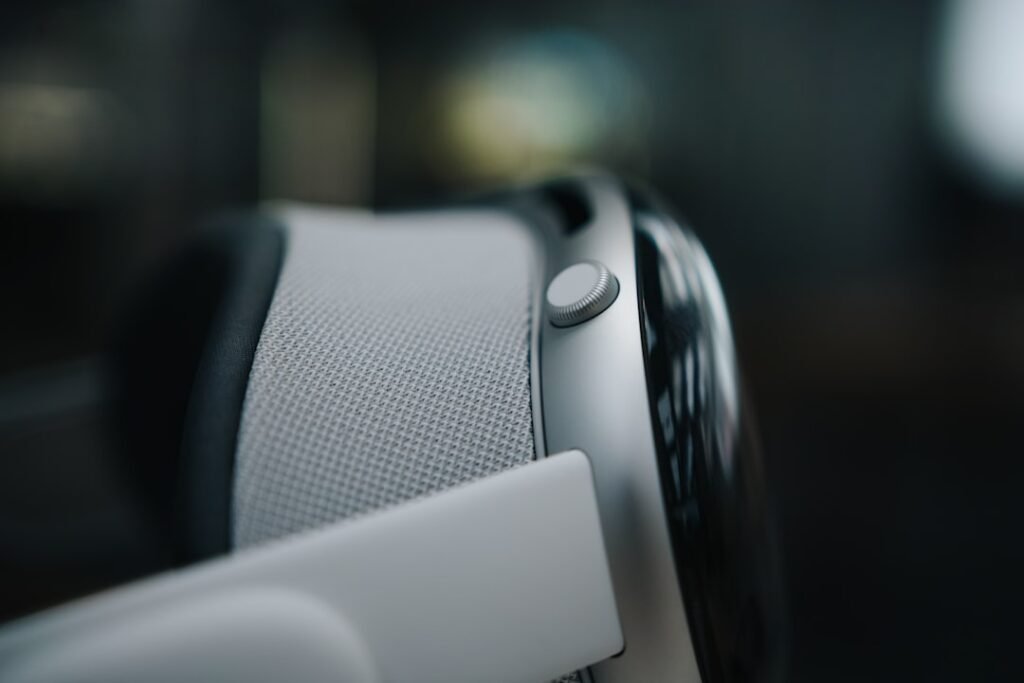
Apple’s potential entry into the smart glasses market has piqued interest not just for the tech’s promise but also for the privacy hurdles it presents. With the company’s track record of emphasizing user privacy, the question remains: Can it balance innovation with consumer trust?
## What Apple’s Smart Glasses Might Bring to the Table
Apple’s rumored smart glasses are speculated to integrate seamlessly with the Apple ecosystem. This means potential features like augmented reality overlays, hands-free navigation, and real-time notifications could be on the horizon. The glasses might leverage technologies from existing Apple products, such as the LiDAR sensors found in the latest iPhones and iPads, to enhance user experience with high precision.
However, Apple’s venture into wearables isn’t without challenges. The smart glasses market is still nascent, with past attempts by other companies like Google Glass facing backlash over privacy issues and limited consumer adoption. Apple’s reputation for design and user experience could give it an edge, but only if it can address the privacy concerns that have plagued similar devices.
## The Competitive Landscape: A Tough Arena
Apple isn’t alone in the smart glasses arena. Companies like Facebook (now Meta) have partnered with Ray-Ban to introduce smart eyewear, while Snap continues to iterate on its Spectacles. Each of these products has met varying degrees of success and skepticism, largely due to perceived invasions of privacy and unclear consumer benefits.
The competitive context raises the stakes for Apple. With its brand deeply associated with privacy, Apple must navigate the fine line between offering cutting-edge features and maintaining consumer trust. The tech giant has often marketed itself as a protector of user data, a stance that will be put to the test as it enters a market where privacy concerns are a primary consumer hesitation.
## Implications for Founders, Engineers, and the Industry
For engineers and product managers, Apple’s potential entry into smart glasses signifies an opportunity to explore uncharted territories in user interface design and software development. The challenge will be to create intuitive, non-intrusive experiences that enrich daily life without overwhelming users or compromising privacy.
Founders and startups in the tech space should take heed. Apple’s move could validate the smart glasses market, attracting more investment and interest. However, the privacy angle cannot be an afterthought. Startups will need to prioritize transparency and user control over data to remain competitive.
Investors might see this as a signal of the market’s maturation, though caution is advised. The hype surrounding smart glasses must be tempered with realistic assessments of consumer readiness and regulatory landscapes, especially concerning data protection laws.
## Looking Ahead
If Apple succeeds in launching smart glasses that respect privacy without sacrificing functionality, it could set a new standard for the industry. For engineers, this means a potential shift in focus towards privacy-centric design principles. Founders should prepare for increased scrutiny on how their products handle user data. Investors will need to assess opportunities with a critical eye on privacy implications, as consumer trust will likely dictate market success.
Originally reported by Techcrunch.