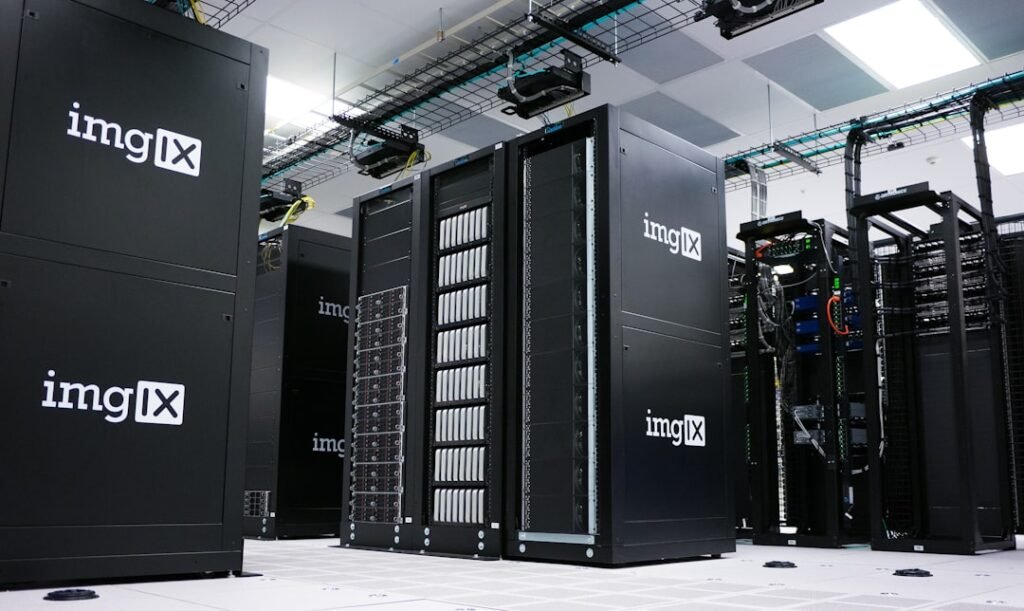
Data Centers and AI: The Energy Guzzlers of the Digital Age
As artificial intelligence and data centers become increasingly central to our digital lives, concerns over their energy consumption are mounting. The rapid expansion of AI models and the ever-growing number of data centers worldwide pose questions about sustainability and the environmental implications of our tech-driven future. For engineers and founders, understanding the energy demands of these technologies is essential as they design products and services in an eco-conscious world.
## The Energy Demands of Data Centers and AI
Data centers are the backbone of the internet, housing thousands of servers that store, process, and transmit data. They are notorious for their energy use, consuming approximately 1% of the world’s electricity. This figure is expected to rise as the demand for cloud computing and digital services continues to grow.
Artificial intelligence, particularly machine learning models, adds another layer of complexity. Training large AI models requires substantial computational power, which translates into significant energy consumption. For instance, training a single AI model can emit as much carbon as five cars over their lifetimes, highlighting a pressing need for energy-efficient solutions in AI research and deployment.
## Competitive Context: The Race for Efficiency
Tech giants like Google, Amazon, and Microsoft are racing to improve the energy efficiency of their data centers. Google claims its data centers are twice as efficient as the average enterprise data center, primarily through advanced cooling technologies and AI-driven energy management systems. Meanwhile, Amazon Web Services is investing in renewable energy projects to power its facilities sustainably.
However, smaller companies face challenges in matching these efficiency levels due to limited resources. Startups and mid-sized firms need to be strategic in optimizing their data infrastructure and considering partnerships with cloud providers that prioritize sustainability. As competition intensifies, energy efficiency could become a differentiating factor for companies in the tech landscape.
## Implications for Founders, Engineers, and the Industry
For founders and engineers, the energy consumption of data centers and AI is more than just an operational concern; it’s becoming a critical business consideration. Investors and consumers are increasingly scrutinizing the environmental impact of technology products, with sustainability becoming a key factor in purchasing and investment decisions.
Engineers working on AI models must balance performance with energy efficiency, exploring techniques like model pruning, quantization, and federated learning to reduce the energy footprint. Meanwhile, founders need to consider sustainability from the ground up, integrating eco-friendly practices into their business models and product development cycles.
For the industry as a whole, addressing the energy demands of data centers and AI is not just a challenge but an opportunity. Companies that lead in sustainability could set new standards and define best practices for the future, influencing policy and consumer expectations in the process.
## What Comes Next
As data centers and AI continue to grow, the focus will inevitably shift towards more sustainable practices. For founders and engineers, staying ahead means investing in energy-efficient technologies and adopting a forward-thinking approach to sustainability. Those who can innovate within these constraints will not only reduce their environmental impact but also gain a competitive edge in a market that increasingly values eco-consciousness.