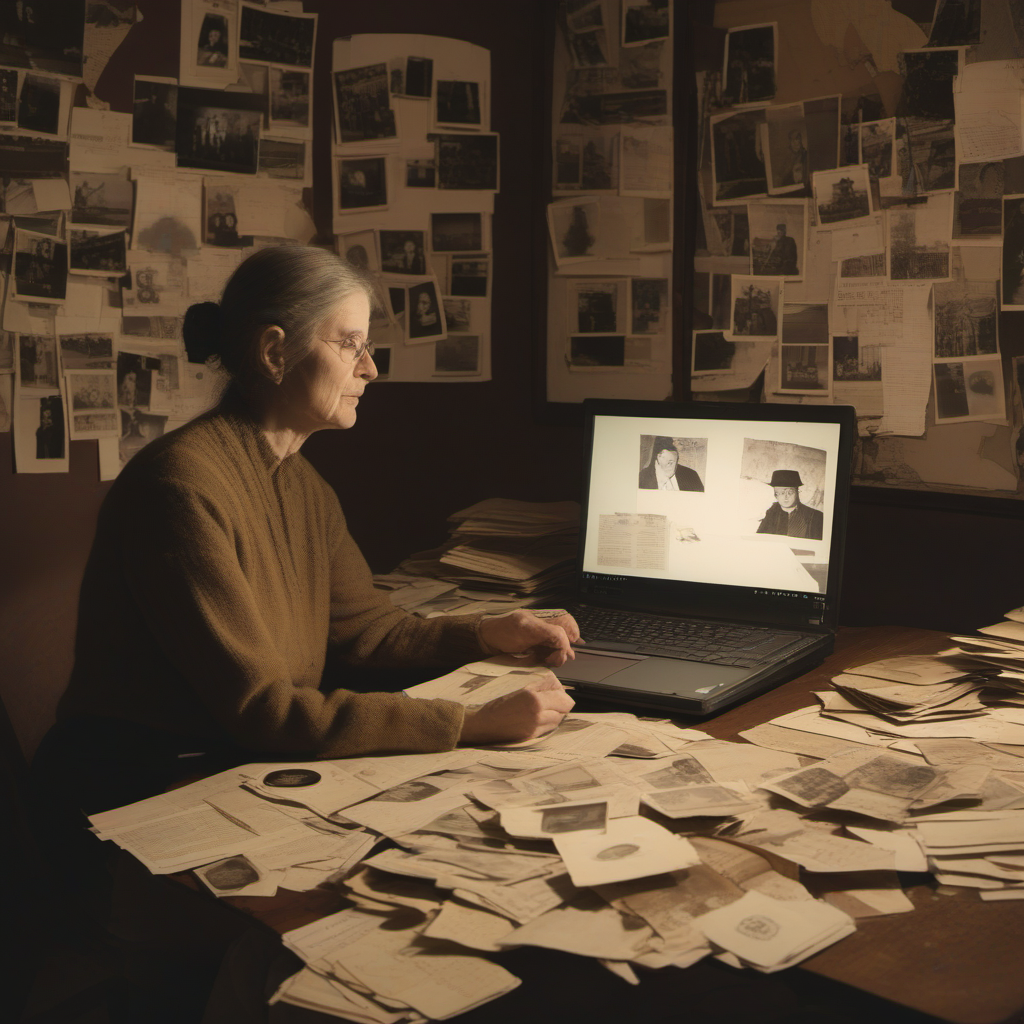
In a world where digital photos reign supreme, a new Canadian startup, Timeline Scan, is taking a nostalgic step back to tackle a problem many have forgotten: the chaos of organizing old, scanned photos. With the launch of their AI-driven photo organization tool, they aim to bring order to the often messy world of digitized memories. This matters because, while many of us have embraced digital photography, a significant portion of our photographic history remains trapped in shoeboxes or poorly organized digital folders. Timeline Scan’s promise to accurately date and organize these photos could mean the difference between a forgotten past and a cherished, easily accessible archive.
### What Timeline Scan Does
Timeline Scan offers an AI-powered service designed to automatically detect and correct the dates on scanned photos. The technology works by analyzing visual cues and contextual information within the photo to estimate the time period it was taken. This includes evaluating clothing styles, background objects, and even the quality of the photograph itself. The aim is to provide users with an organized digital timeline of their photos, converting chaos into a coherent visual history.
The company’s service is accessible via a simple web interface or mobile app. Users upload their scanned images, and the AI does the rest, outputting a neatly organized collection. This not only saves users the painstaking task of manual sorting but also provides a level of accuracy that most wouldn’t achieve on their own. While the concept isn’t entirely new—photo organization tools exist—Timeline Scan’s focus on historical photos sets it apart.
### Competitive Context
The photo organization space is crowded, with giants like Google Photos and Apple Photos offering robust organizational features. However, these platforms primarily focus on digital photos taken in the modern era, leaving a gap when it comes to older, scanned images. Timeline Scan seeks to fill this niche by specializing in the past, rather than the present.
While there are other startups dabbling in AI-driven photo sorting, few have zeroed in on the unique challenges presented by non-digital images. Competitors may offer similar AI capabilities, but Timeline Scan’s dedication to historical accuracy and user-friendly interfaces could carve out a distinct market segment. The challenge will be convincing users that this is a service they need, particularly when many may not realize the extent of their photo disorganization until they attempt to find a specific image.
### Real Implications for Founders, Engineers, and the Industry
For founders and engineers in the tech space, Timeline Scan’s approach highlights the potential of AI in niche markets. The ability to identify and address specific consumer pain points, like organizing scanned photos, can open up unexpected opportunities. It’s a reminder that not all technological advancements need to focus on the future; sometimes, the past holds untapped potential.
From an industry perspective, the launch of Timeline Scan could spur increased interest in AI applications that focus on historical and non-digital data. As more consumers become aware of the possibility of organizing their old photos, demand for similar services might rise, pushing competitors to enhance their offerings or risk being left behind.
### What Happens Next
Timeline Scan is currently in its early stages, and its success will depend on its ability to effectively market the need for such a service. As they gather user feedback and refine their algorithms, the company may expand its capabilities to include features like photo restoration or integration with existing digital photo libraries.
For founders and engineers, Timeline Scan is a case study in finding value in overlooked areas. It’s a call to consider how AI can be applied to solve problems that aren’t necessarily top of mind but have real impact on everyday life. If you’re in the tech space, it’s worth considering what other “forgotten” niches might benefit from a similar approach.