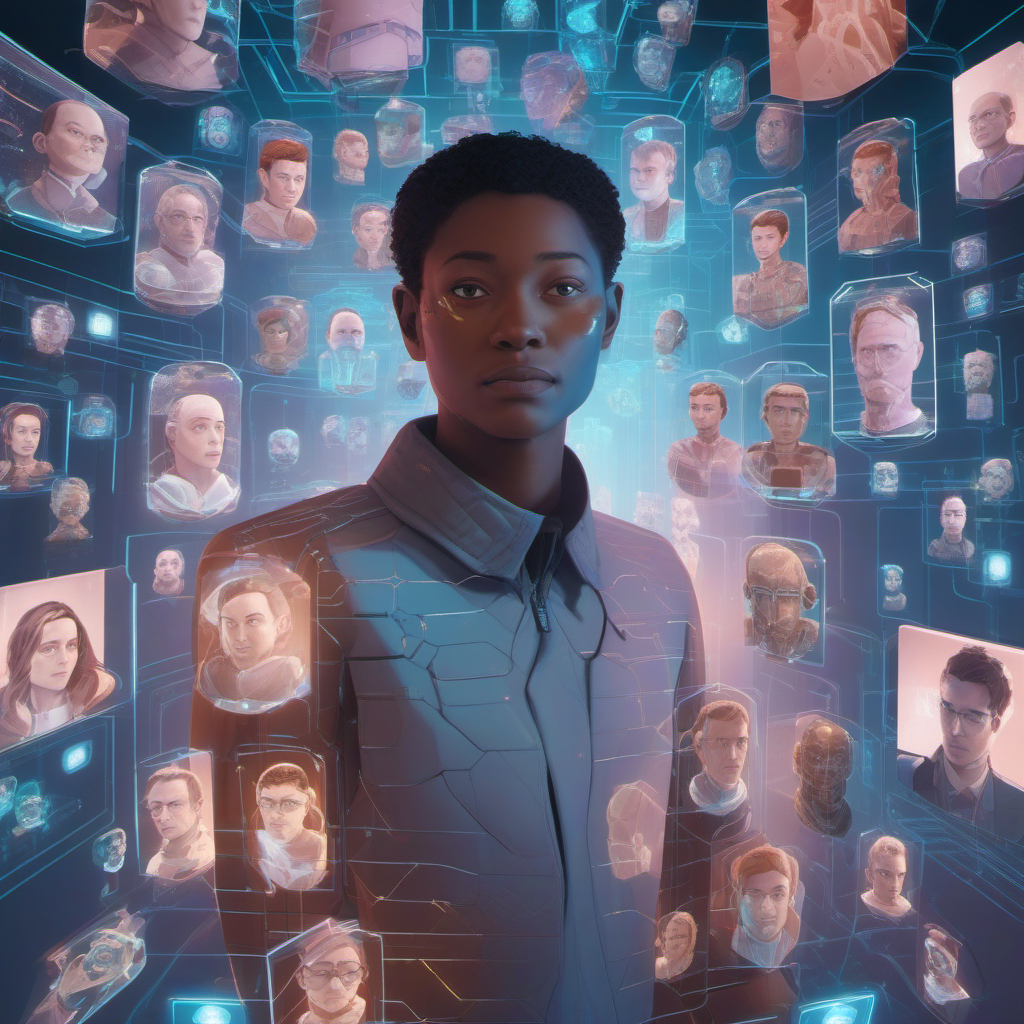
Google’s latest update to its Vids platform is adding a dash of sci-fi flair to personal video creation. Users will soon be able to craft videos featuring AI avatars of themselves, thanks to the integration of personalized digital personas. This feature leverages the capabilities of Gemini Omni, Google’s AI suite designed for video generation and editing. While it sounds like a futuristic novelty, the question remains: do people actually want or need this?
### What Google Vids Actually Offers
Google Vids, a service that has flown somewhat under the radar, is stepping into the spotlight with its new AI avatar functionality. The platform now allows users to create digital versions of themselves that can be inserted into videos. These avatars are crafted using machine learning algorithms that analyze user photos or video clips.
The integration of Gemini Omni adds another layer to this offering. The AI tool can generate entire videos from simple prompts or reference images, promising to make video production accessible to those without editing expertise. This feature is particularly aimed at content creators who want to streamline their production process. For a deeper dive, you can find more about these features on the [Google Vids website](https://vids.google.com).
### Competitive Landscape
This move by Google places it in direct competition with other tech giants and startups exploring AI-driven content creation. Meta has been experimenting with similar technology in its virtual reality and augmented reality projects, while TikTok has dipped its toes into AI-generated content with various filters and effects.
Startups like Synthesia and Rephrase.ai have also made headlines by offering AI-generated video content, but they typically focus on business applications such as corporate training videos or marketing content. Google’s consumer-focused approach could either carve out a new niche or find itself competing in an already crowded space.
### Real Implications
For founders and engineers, the introduction of AI avatars in personal video content presents both opportunities and challenges. On one hand, the potential for personalization at scale could lead to new business models or apps that leverage this technology. On the other hand, the ethical implications of creating digital versions of people—complete with their likeness and potentially their voice—cannot be ignored.
For the industry at large, the key challenge will be addressing privacy concerns and ensuring that users have control over how their digital selves are used. Engineers will need to focus on developing algorithms that prioritize user consent and data protection, while founders might see an opportunity in offering services that enhance transparency and user control.
### What Happens Next
Google’s foray into personalized AI video creation could either become a quirky addition to its portfolio or spark a new trend in digital content creation. As the feature rolls out, it will be crucial for developers and entrepreneurs to keep a finger on the pulse of consumer reception and regulatory developments.
For those in the tech industry, the lesson is clear: stay informed about the evolving landscape of AI and digital avatars. The next big opportunity—or hurdle—could be just around the corner.