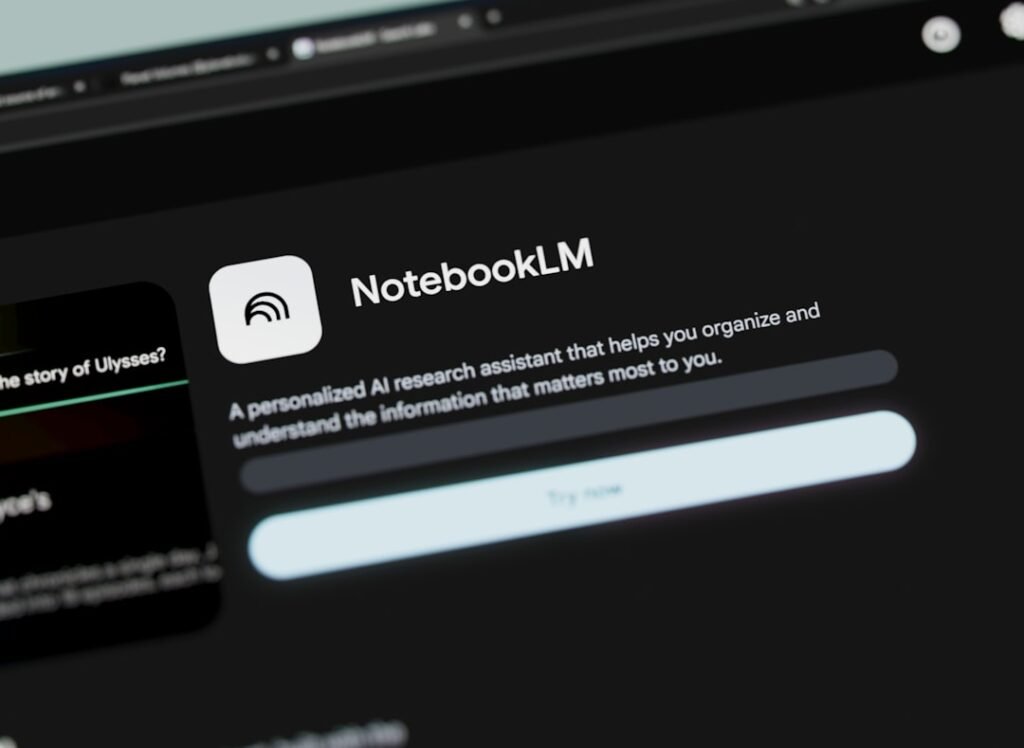
Google’s penchant for rebranding continues as it renames the AI-powered NotebookLM to Gemini Notebook. This move is part of a broader strategy to integrate its AI capabilities further into everyday tools. But does a fresh name truly signify a shift in utility, or is it just window dressing? As Google introduces “AI Mode” in Search, users will soon find their notebooks more intertwined with their search experiences, raising questions about privacy and data usage.
### What is Gemini Notebook?
Gemini Notebook, formerly NotebookLM, is an AI-driven digital notebook designed to help users organize and access information more efficiently. The tool leverages machine learning to categorize notes, suggest related materials, and even draft content based on user inputs. Positioned as a smart assistant for information management, Gemini Notebook aims to streamline the often chaotic process of digital note-taking.
However, the rebranding from NotebookLM to Gemini Notebook suggests a strategic pivot, potentially aligning with Google’s broader Gemini AI initiative. While the name change might hint at deeper integration with Google’s AI ecosystem, the core functionality remains largely the same. For users, the rebranding might be more about reinforcing Google’s AI branding than introducing new features.
### The Competitive Landscape
The digital notebook space is crowded, with heavyweights like Microsoft’s OneNote, Evernote, and Notion dominating the market. These platforms have established user bases and robust feature sets, making it challenging for newcomers to carve out a significant niche. Google’s entry with Gemini Notebook indicates its ambition to leverage its AI prowess to differentiate from competitors.
Yet, the rebranding alone might not be enough to sway users entrenched in other ecosystems. While AI integration offers a unique selling point, it remains to be seen if it can entice users away from tools they have relied on for years. The challenge for Google lies in proving that Gemini Notebook offers tangible improvements in productivity and not just another layer of complexity.
### Implications for Industry Professionals
For founders and engineers, Google’s focus on AI-driven tools like Gemini Notebook underscores the growing importance of AI integration in productivity apps. This trend suggests a shift in user expectations towards smarter, more intuitive interfaces that can anticipate needs and streamline workflows. Engineers and product managers should consider how AI can enhance their own offerings, potentially providing a competitive edge.
Investors might view Google’s move as a signal to pay closer attention to AI-driven productivity tools. As the market evolves, there’s potential for startups to innovate in niche areas overlooked by larger players. The key will be balancing AI capabilities with user-friendly design and clear privacy policies, ensuring that users feel their data is both useful and secure.
### What’s Next for Gemini Notebook?
As Google rolls out AI Mode in Search, Gemini Notebook’s integration could become a central feature for users seeking a seamless blend of search and personal data management. The success of this endeavor will likely depend on how well Google can address privacy concerns and demonstrate the practical benefits of its AI enhancements.
For founders and engineers, the evolving landscape of AI-driven productivity tools presents both opportunities and challenges. Those who can harness AI to create meaningful, user-centric solutions may find themselves well-positioned in a rapidly changing market. As Google continues to refine its offerings, the pressure is on for others to innovate or risk being left behind in the race for digital efficiency.