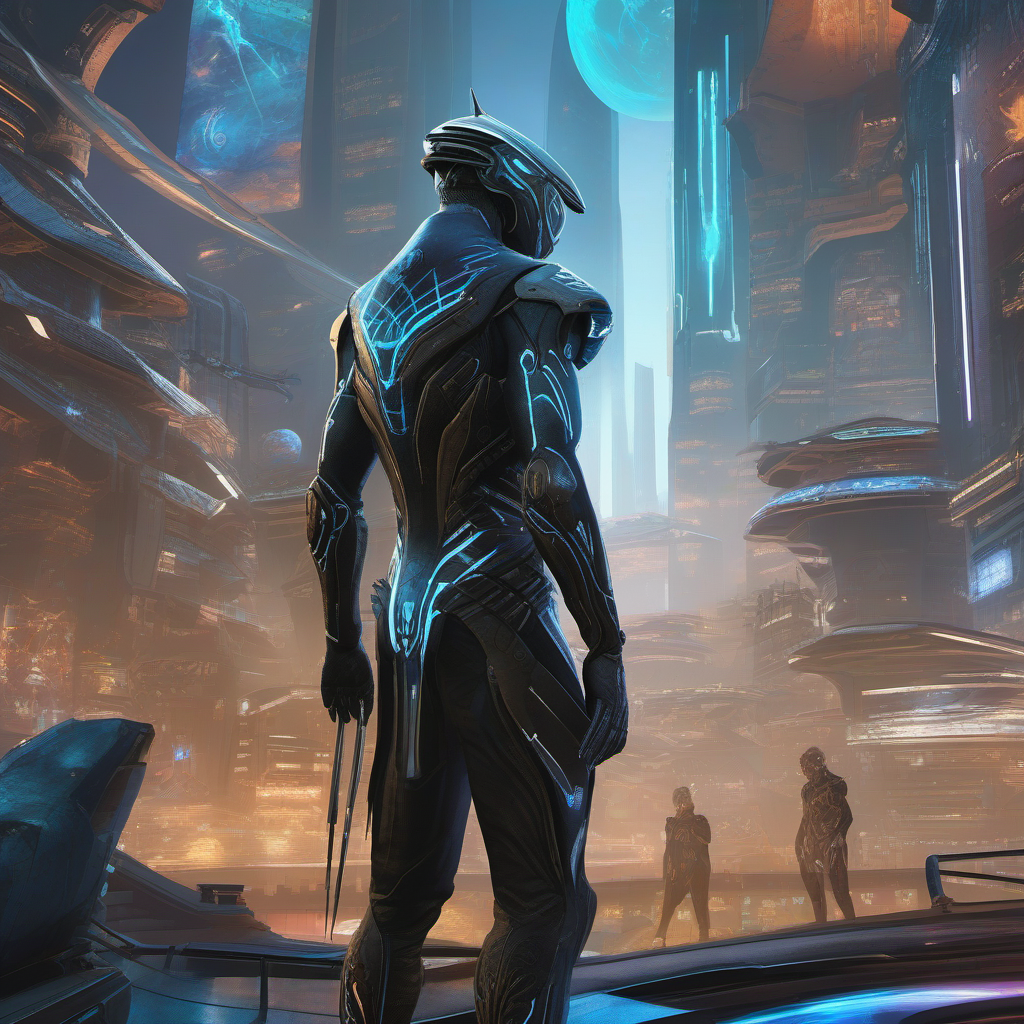
Digital Extremes (DE), a long-standing name in the gaming industry, continues to thrive while other live service games face dwindling player bases and financial struggles. Last week, at the 11th annual TennoCon in London, Ontario, the company showcased updates for its sci-fi multiplayer game, Warframe, and its upcoming fantasy action-RPG, Soulframe. This matters because DE’s ability to sustain and expand its player community offers lessons in longevity and adaptability in a market where many competitors are faltering.
### What Digital Extremes Actually Does
Digital Extremes is best known for Warframe, a free-to-play online game that has maintained a robust player community since its release in 2013. The game features cooperative gameplay where players, known as Tenno, control members of an ancient warrior race. It combines elements of shooting, role-playing, and parkour, creating a unique gaming experience. Warframe’s continuous updates and community engagement have kept it relevant for over a decade, a rarity in the live service game sector.
Soulframe, DE’s upcoming project, aims to capture a similar audience with its fantasy setting and action-RPG mechanics. While details remain sparse, early previews suggest a focus on narrative and immersive world-building. The game is expected to leverage DE’s expertise in community-driven development, a strategy that has served them well with Warframe. More information can be found on their [official website](https://www.digitalextremes.com).
### Competitive Context in the Gaming Industry
The live service gaming market is notoriously volatile. Titles like Anthem from BioWare and Marvel’s Avengers from Square Enix have struggled to maintain player engagement, leading to early shutdowns or significant redesigns. These games often promise long-term content but fail to deliver, leaving players disenchanted. In contrast, Digital Extremes has managed to keep Warframe thriving through regular updates and a strong focus on player feedback.
DE’s approach contrasts sharply with many competitors who launch with hype but lack long-term content plans. This is where DE’s model stands out: rather than relying on initial sales, they focus on sustaining interest through community-driven content. The ability to adapt and respond to player needs has allowed them to carve out a niche in a crowded and challenging market.
### Real Implications for Founders, Engineers, and the Industry
For founders and engineers eyeing the live service model, DE’s success underscores the importance of flexibility and community engagement. Building a game is not just about launching a product; it’s about creating a platform for ongoing interaction. Regular updates and player feedback loops are crucial for maintaining interest and loyalty.
Investors should take note of DE’s strategy as a blueprint for sustainable growth in the gaming sector. Rather than chasing short-lived trends, investing in companies that demonstrate a commitment to long-term engagement can yield more stable returns. The gaming community is increasingly savvy, and companies that can maintain a dialogue with their players are more likely to succeed.
### What Happens Next
As the gaming industry continues to evolve, Digital Extremes will need to maintain its momentum by delivering on the promises of Soulframe and keeping Warframe fresh. For industry professionals, DE’s journey is a case study in the power of adaptability and community focus. Founders and engineers should consider how these principles can be applied to their own projects to avoid the pitfalls of many failed live service games.