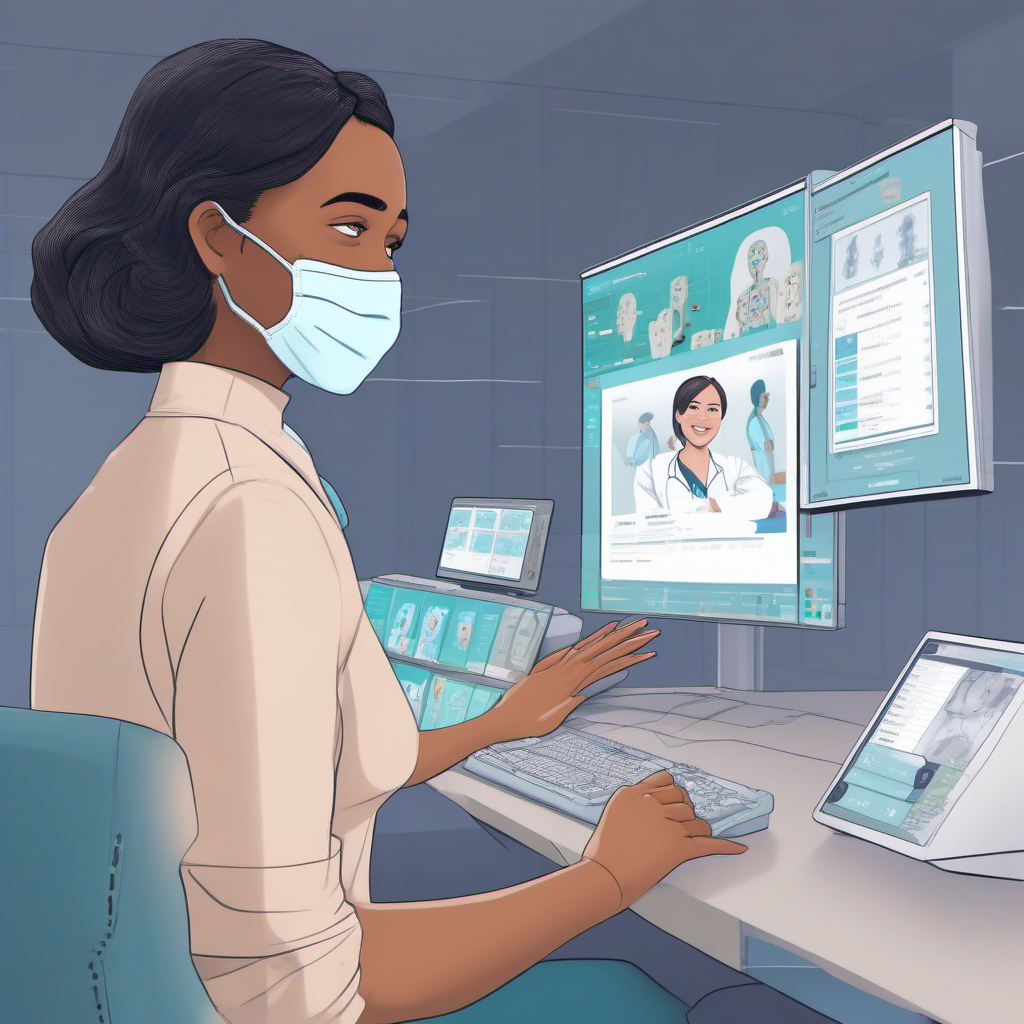
Vancouver-based Intiveo has unveiled Veo, an AI-driven tool aimed at enhancing communication between dental practices and their patients. This launch is noteworthy because it addresses a critical concern in healthcare—integrating AI without sacrificing the human touch that is essential for patient relationships.
### What Veo Brings to the Table
Intiveo’s Veo is part of a broader initiative to incorporate AI into dental practices responsibly. Unlike other AI solutions that focus solely on efficiency, Veo is designed to enhance patient engagement while ensuring transparency and maintaining provider control. The platform introduces two initial capabilities: Suggestions and Responses. Suggestions assists during business hours by recommending chat templates based on patient interactions. Responses, on the other hand, automates replies to after-hours inquiries, handling routine questions like office details and directing more complex queries back to the practice. This dual approach aims to streamline communication without compromising the quality of care.
### The Competitive Landscape
In a market crowded with AI solutions for healthcare, Intiveo is positioning Veo as a tool that prioritizes patient-provider relationships. While many AI applications in the sector focus on reducing labor and automating processes, Veo’s emphasis on transparency and configurability sets it apart. Companies like Well Health Technologies and SmileDirectClub have also ventured into AI, but often with a focus on operational efficiency rather than patient engagement. Intiveo’s approach could resonate with practices wary of AI’s impersonal nature, providing a competitive edge in a cautious market.
### Implications for Founders and Engineers
For founders and engineers in the healthcare technology space, Veo’s launch underscores the importance of balancing innovation with empathy. The healthcare industry is increasingly scrutinizing how AI influences patient interactions, and Veo’s model offers a template for integrating technology without eroding trust. Engineers developing healthcare solutions might take a cue from Veo’s configurable design, which allows practices to adopt AI at their own pace, thereby reducing resistance and increasing adoption rates. Founders should note the growing demand for AI solutions that enhance rather than replace human interaction, as this will be a key differentiator in the market.
### What’s Next for Intiveo and the Industry
As Intiveo rolls out Veo, the company plans to expand its AI capabilities, further embedding responsible AI in dental practices. This could set a precedent for other healthcare sectors grappling with AI integration. For entrepreneurs and engineers, the success of Veo could signal a shift towards more nuanced applications of AI, where technology supports rather than supplants human roles. As the healthcare industry continues to evolve, the lessons from Veo’s launch will be crucial for developing future technologies that maintain the delicate balance between innovation and empathy.