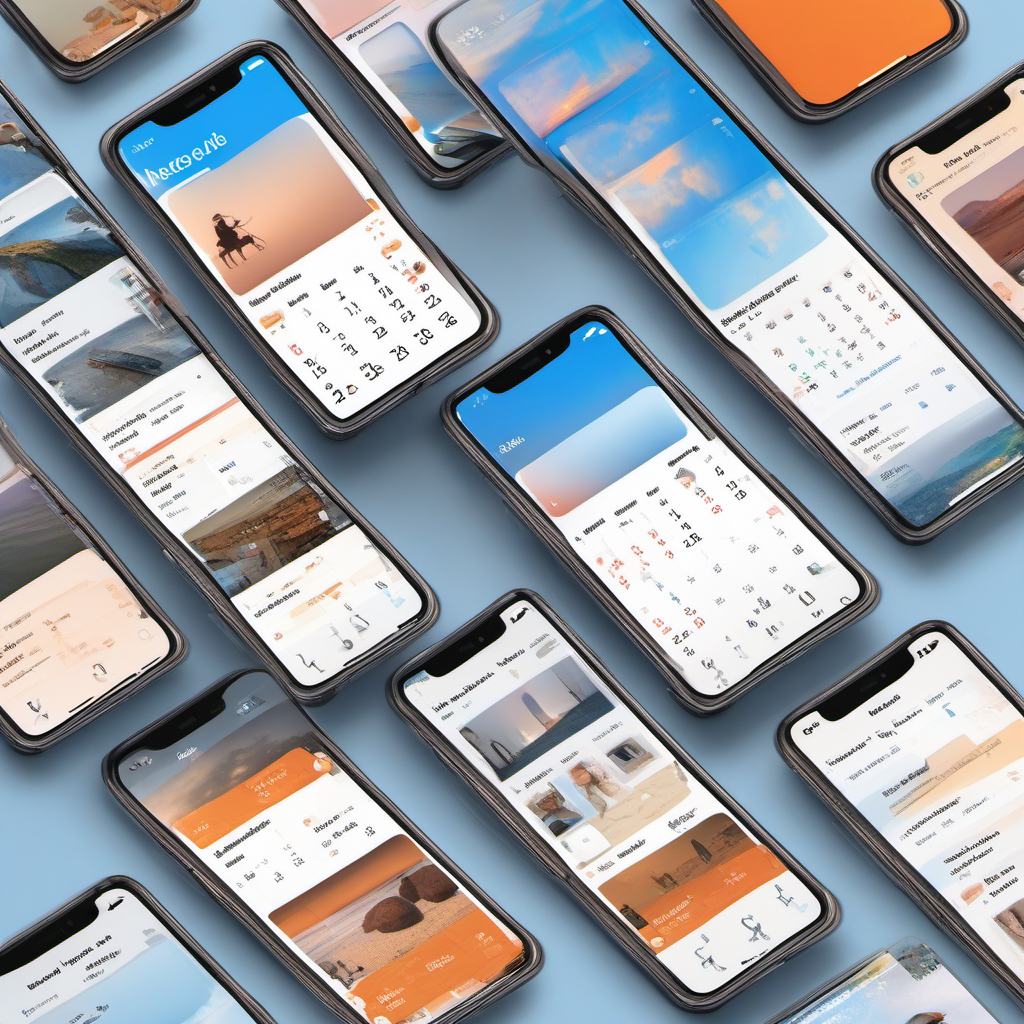
Siri’s AI overhaul may have grabbed the headlines at WWDC, but some of Apple’s most useful AI features are arriving elsewhere in iOS 27. As Apple rolls out its latest software update, it’s clear that the company is focusing on enhancing usability and personalization through AI. This shift is not just about keeping up with competitors but about integrating AI in ways that subtly yet effectively improve user experience.
### What iOS 27 Brings to Your iPhone
Beyond the spotlight on Siri, iOS 27 introduces a suite of AI-driven features that aim to simplify daily tasks and enhance device interaction. One of the noteworthy additions is the new Smart Widgets feature, which uses machine learning to display relevant information based on the time of day, location, and user activity. This means your iPhone could automatically show your calendar in the morning, news updates during lunch, and fitness data in the evening without any manual adjustment.
Another addition is the AI-powered photo organization system. Leveraging on-device processing, this feature categorizes and highlights photos based on themes, locations, and even the people in them. It’s a nod to the increasingly cluttered photo libraries users maintain and a practical approach to ensuring memories are easy to find and share.
A more subtle yet impactful change is the AI-enhanced autocorrect system. While autocorrect has been a staple feature, iOS 27’s version promises to learn from user habits and language preferences, reducing the frustration of mistyped words and misunderstood phrases. Apple claims that this will make typing on an iPhone faster and more intuitive, but time will tell if it truly meets user expectations.
### Playing Catch-Up or Leading the Pack?
Apple’s AI features in iOS 27 come at a time when competitors like Google and Samsung are also pushing the boundaries of AI integration. Google’s Pixel phones have long boasted AI capabilities such as automated call screening and enhanced photo editing, setting a high bar for functionality. Samsung, too, has been integrating AI into its devices with features like Bixby Vision and scene optimization in its camera app.
However, Apple’s approach seems more conservative and focused on enhancing existing features rather than introducing entirely new capabilities. This raises the question of whether these updates are enough to sway users who are drawn to the more experimental offerings of Apple’s rivals. For now, Apple seems to be banking on the seamless integration and privacy-centric processing of AI on its devices to differentiate itself.
### Implications for Founders, Engineers, and the Industry
For founders and engineers, Apple’s cautious yet steady approach to AI presents both opportunities and challenges. On one hand, the emphasis on privacy and on-device processing could inspire new applications that prioritize user data protection, a growing concern in the tech industry. On the other hand, the lack of flashy new features might lead some to question whether Apple is truly pushing the envelope in AI innovation.
The industry itself may see a ripple effect, as Apple’s decisions often set trends in the tech world. Developers might need to adjust their apps to take advantage of the new AI capabilities within iOS, potentially leading to a wave of updates and new app functionalities that leverage machine learning for personalization and efficiency.
### What’s Next for Apple and AI?
As iOS 27 rolls out, the real test will be user adoption and feedback. Apple will likely continue to refine these AI features based on how they perform in real-world scenarios. For founders and engineers, the lesson here is clear: while flashy features can grab attention, sustainable success lies in thoughtful integration that truly enhances user experience. The challenge will be to innovate within these constraints while still pushing the boundaries of what AI can do.