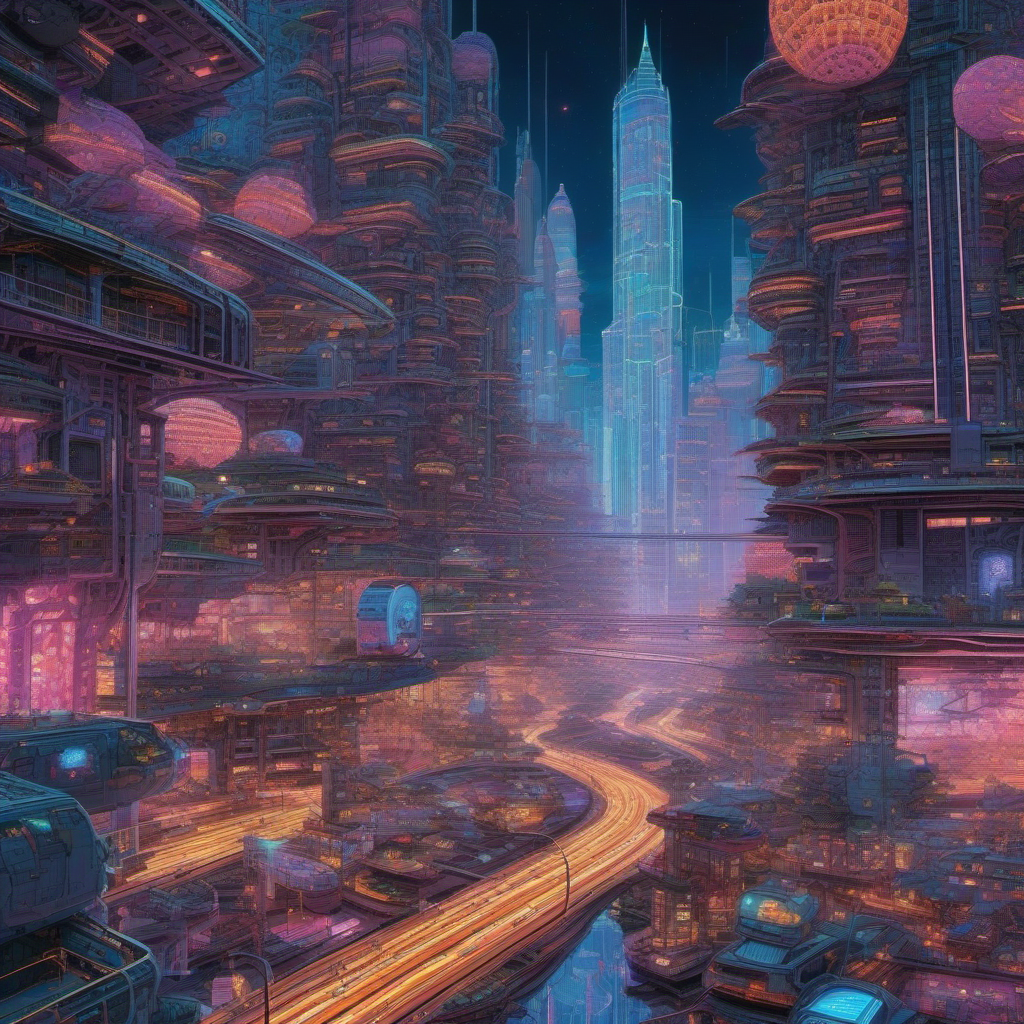
High-Resolution Neural Cellular Automata: A New Frontier in Image Generation
In a landscape where AI-generated art is rapidly gaining traction, a new player has emerged with a unique approach: High-Resolution Neural Cellular Automata (HRNCA). This project is pushing the boundaries of image generation, offering a fresh perspective on how neural networks can be used to create complex visuals. But as with any new technology, the question remains—does this offer tangible value, or is it simply the latest buzzword in a crowded market?
### What HRNCA Actually Does
At its core, HRNCA utilizes a neural cellular automata (NCA) framework to generate high-resolution images. Cellular automata, a concept dating back to the 1940s, are systems in which cells evolve through discrete time steps according to a set of rules based on the states of neighboring cells. By integrating neural networks into this framework, HRNCA allows for the creation of intricate patterns and images that evolve over time.
The high-resolution aspect is particularly noteworthy. Traditional NCAs have been limited by the low resolution and simplistic patterns they produce. HRNCA, however, leverages the computational power of modern GPUs to produce detailed, vibrant images that can be scaled up to meet various needs in digital art and design. For those interested in exploring the technical details, the project is hosted on GitHub, inviting developers to experiment further.
### Competitive Context
The realm of AI-generated art is not short on contenders. From OpenAI’s DALL-E to Google’s DeepDream, numerous projects have attempted to redefine artistic expression through machine learning. HRNCA enters this competitive landscape with a distinctive niche, focusing on the procedural generation of high-resolution images through NCAs.
While DALL-E and similar models emphasize creating images based on textual descriptions, HRNCA offers a different value proposition by emphasizing the evolutionary process of image creation. This approach might not directly compete with text-to-image generators but rather complements them by offering another tool for artists and developers seeking unique visual patterns. However, the challenge remains to demonstrate clear consumer value and avoid fading into the background as a mere technical curiosity.
### Real Implications for Founders, Engineers, and Industry
For founders and engineers, HRNCA presents both an opportunity and a challenge. The opportunity lies in exploring a novel method of image generation that could inspire new applications in digital art, gaming, and even scientific visualization. The challenge, however, is to identify and develop real-world use cases that extend beyond niche artistic communities.
Investors looking at HRNCA should weigh the potential for integration into existing AI-art platforms against the risk of it being a transient trend. Given the current hype around AI-generated art, the market is ripe for saturation, and only those projects with clear, demonstrable value will likely sustain long-term interest.
For engineers, especially those in the machine learning and AI fields, HRNCA offers a chance to dive into a less-explored area of research. The project could serve as a springboard for further innovations in procedural generation and neural network applications. However, engineers must remain critical, ensuring their efforts translate into practical solutions rather than theoretical exercises.
### What Happens Next
The next steps for HRNCA will likely involve refining its algorithms to enhance efficiency and exploring partnerships with digital platforms that can leverage its capabilities. For founders and engineers, this means staying attuned to updates in the project and considering how HRNCA’s unique approach can be integrated into broader AI and digital art strategies.
Ultimately, the value of HRNCA will be determined by its ability to transcend its initial technical novelty and prove itself as a tool with practical applications. For those in the tech and creative industries, the challenge will be to harness HRNCA’s potential in ways that genuinely enhance user experiences and artistic expression.