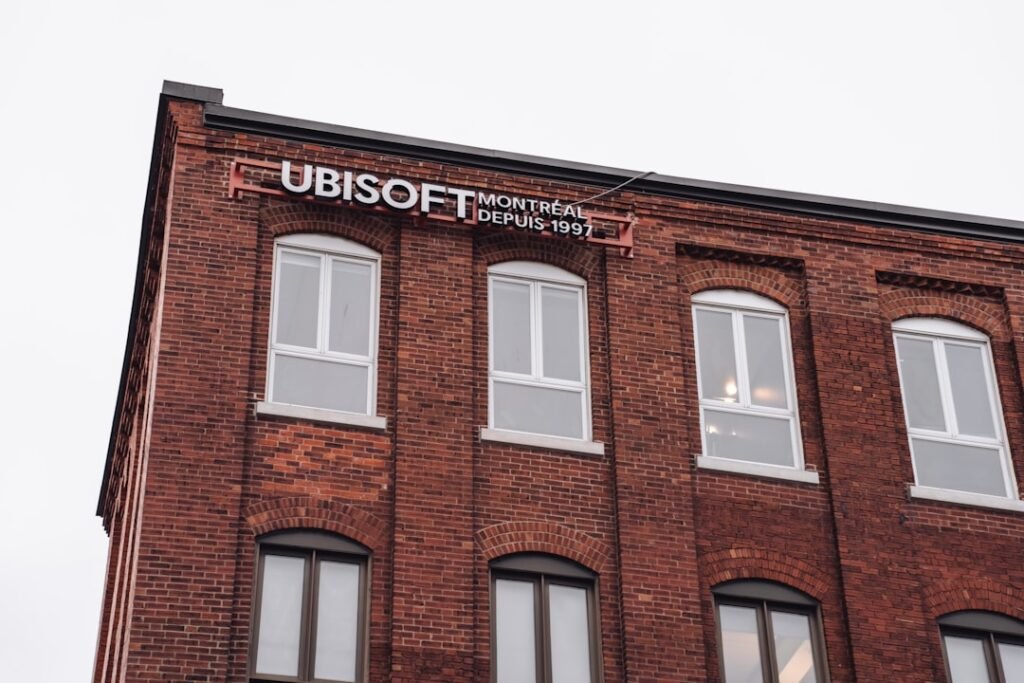
Ubisoft’s decision to close its Winnipeg office, resulting in the layoff of 65 employees, is the latest in a series of strategic shifts by the French video game giant. The closure is part of a broader organizational restructuring that has already impacted several other Ubisoft locations worldwide. For a city like Winnipeg, which has been working to bolster its tech industry presence, this closure is a significant blow. It raises questions about the stability and future of gaming studios in smaller Canadian markets.
### What Ubisoft Winnipeg Actually Did
Ubisoft Winnipeg, established in 2018, was known for contributing to some of the company’s flagship franchises, including Rainbow Six, Assassin’s Creed, and Far Cry. As a part of Ubisoft’s network of studios, the Winnipeg office played a role in developing the technologies and tools that power these popular games. It was intended to be a growth hub; in 2022, Ubisoft announced plans for a substantial expansion with a $139 million investment aimed at creating 200 new jobs over the next decade. The closure of the Winnipeg office, just a year after such an ambitious announcement, underscores the unpredictable nature of the gaming industry, where strategic pivots can abruptly change a studio’s fate.
### Competitive Context and Industry Pressures
The closure of Ubisoft Winnipeg comes amidst a turbulent time for the gaming industry, marked by rising production costs and fierce competition. Despite the gaming sector generating over $500 billion USD in revenue last year, companies are feeling the squeeze. Ubisoft is not alone in its restructuring efforts; other industry giants like Electronic Arts and Microsoft’s Xbox division are also grappling with similar challenges. Ubisoft’s decision to concentrate resources on the Rainbow Six franchise suggests a strategy to double down on established, revenue-generating properties rather than riskier new ventures. This trend highlights the increasing pressure on gaming companies to optimize operations and focus on profitable franchises.
### Real Implications for Founders, Engineers, and the Industry
For founders and engineers, Ubisoft’s restructuring serves as a cautionary tale about the volatility of the gaming industry. The closure of the Winnipeg office, despite previous expansion plans, illustrates how quickly market dynamics and corporate strategies can shift. Engineers and developers in the gaming sector may find themselves needing to adapt quickly to changing employment landscapes. For startups and smaller studios, Ubisoft’s retrenchment might present an opportunity to attract talent from the pool of experienced professionals now seeking new roles. However, it also emphasizes the importance of maintaining flexibility and diversifying revenue streams to weather industry fluctuations.
### What Happens Next
As Ubisoft continues its global restructuring, the company is likely to focus more intensely on its most successful franchises. This shift will probably lead to further consolidation within the industry, as smaller studios and offices face closure or absorption. For Canadian tech hubs, the challenge will be to attract and retain talent amidst these changes. Founders and investors should consider the broader implications of industry consolidation, which may lead to fewer but larger players dominating the market. For those in the gaming sector, staying agile and anticipating industry trends will be crucial to navigating the evolving landscape.