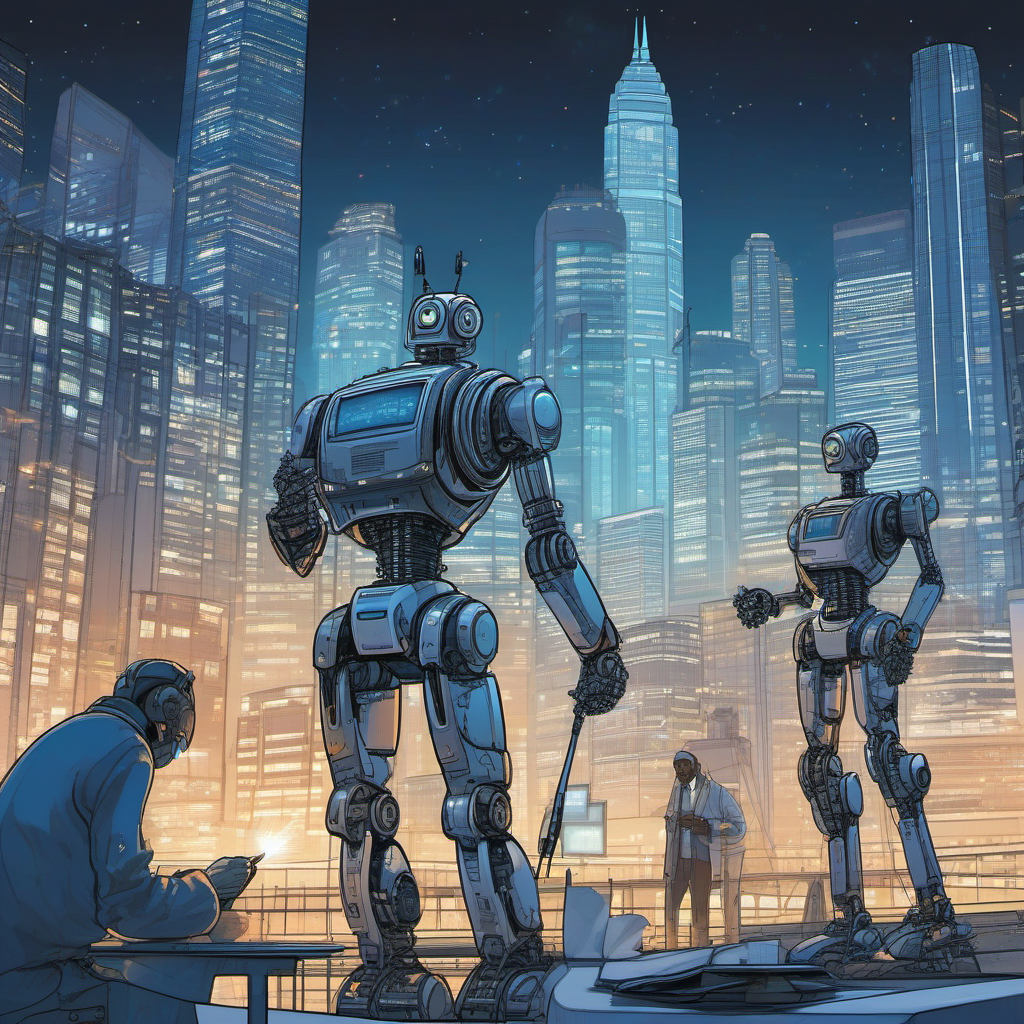
AI has been the harbinger of change across industries, and now it seems AI engineers themselves might not be immune. A recent report suggests that AI could eventually replace some of the tasks traditionally performed by AI engineers. This development raises crucial questions about the future roles of those who once considered themselves the architects of automation.
## What AI Can Do for AI
The core of the discussion centers around AI’s ability to automate the creation and maintenance of other AI systems. Automated Machine Learning (AutoML) tools are a prime example. They automate the repetitive and time-consuming tasks of data preprocessing, model selection, and hyperparameter tuning. This allows for faster deployment and more efficient model optimization without constant human oversight.
Companies like DataRobot and H2O.ai are pushing the boundaries of what AutoML can achieve. DataRobot, for instance, offers a platform that allows users, even those without extensive programming knowledge, to build, deploy, and manage AI models with minimal manual intervention. The promise here is clear: democratize AI development to a broader audience while reducing reliance on specialized AI engineers for routine tasks.
## Competitive Context: A Crowded Field
The competition in the AutoML space is fierce. Giants like Google and Microsoft are also in the game, with offerings such as Google Cloud AutoML and Azure Machine Learning. These platforms tout ease of use and integration with existing cloud ecosystems, appealing to enterprises looking to streamline their AI operations.
Yet, the landscape remains dynamic. While these tools are becoming more sophisticated, they are not without limitations. Custom AI solutions, requiring deep expertise and understanding of unique business contexts, remain a domain where human engineers still hold a significant edge. For now, the nuanced and complex nature of AI development ensures a place for human engineers alongside their automated counterparts.
## Real Implications for Founders and Engineers
For founders and engineers, the implications are both challenging and opportunistic. AI engineers find themselves at a crossroads, with the need to adapt to a landscape where routine tasks may no longer require their expertise. Engineers must focus on enhancing their skills in areas that machines cannot easily replicate, such as strategic decision-making, creative problem-solving, and understanding complex business needs.
For startups, the rise of AutoML tools presents an opportunity to reduce costs associated with hiring and retaining a large team of specialized engineers. This can free up resources to focus on other strategic areas, such as product development and market expansion. However, founders must weigh the benefits of automation against the potential loss of human insight and innovation that a skilled engineering team can provide.
## What Happens Next
As AI continues to evolve, so too will the role of the AI engineer. The immediate future suggests a hybrid approach, where human engineers and automated systems coexist, each complementing the other’s strengths. Engineers who embrace continuous learning and adapt to new tools will likely thrive, while those who resist change may find themselves sidelined.
For founders and investors, the message is clear: invest in talent that is not just technically proficient but also adaptable and forward-thinking. The journey ahead promises both challenges and opportunities, with success hinging on the ability to navigate an ever-automating world.