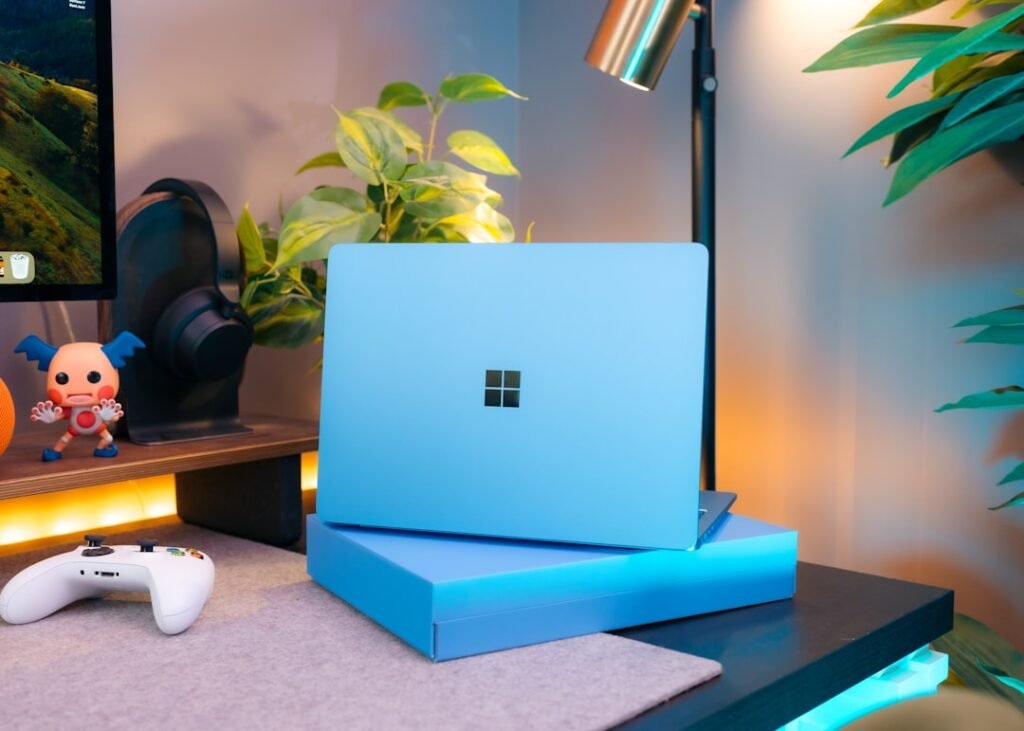
choices designed to optimize AI model performance locally. Central to this architecture is the Nvidia Blackwell-architecture RTX Spark processor, which, when paired with 128 gigabytes of unified memory, enables developers to tackle AI models traditionally reserved for cloud computing. This design ensures that both the CPU and GPU can dynamically share memory resources, a necessity for handling large models with extensive context windows.
This approach addresses a critical bottleneck: memory bandwidth. As AI models grow, so does their demand for rapid data access. The unified memory in the Dev Box is a direct response to this need, allowing for seamless data flow between processing units. This means developers can efficiently run and test models exceeding 120 billion parameters without the latency and cost of cloud APIs.
While Microsoft has not disclosed pricing, the strategic use of high-performance components suggests a premium product aimed at serious developers and enterprises. The focus on local compute power reflects a broader industry trend of decentralizing AI workloads, providing developers with the tools to innovate without the financial strain of cloud dependency.
### Competitive Context: The AI Compute Arms Race
Microsoft’s move into local AI hardware places it in direct competition with other tech giants and specialized hardware manufacturers. Companies like Google and Amazon have made significant investments in cloud-based AI solutions, while Apple and smaller entities are exploring on-device AI processing. The Dev Box represents Microsoft’s attempt to carve out a niche where developers can balance between local and cloud resources.
By offering a device that can handle the heavy lifting of AI model training and inference, Microsoft is challenging the prevailing notion that all advanced AI work must be done in the cloud. This could potentially shift market dynamics, as developers and companies weigh the benefits of local processing against traditional cloud-based approaches.
The decision to limit initial sales to the United States might be a strategic move to test the waters and gather feedback before a broader rollout. However, it also indicates that Microsoft is carefully evaluating the demand and potential impact of this product on its existing cloud services business.
### Real Implications for Founders, Engineers, and the Industry
For startup founders and engineers, the Surface RTX Spark Dev Box offers a tantalizing proposition: the ability to develop and iterate on AI models without the looming specter of unpredictable cloud costs. This could democratize access to powerful AI tools, allowing smaller teams to compete with larger enterprises that have more substantial cloud budgets.
However, the implications go beyond mere cost savings. The Dev Box could enable faster prototyping cycles, as developers no longer need to rely on potentially congested cloud resources. This could accelerate the pace of AI innovation, as ideas can be tested and refined more rapidly.
Investors should also take note of this shift. The growing demand for local AI hardware could signal a new wave of startups focused on optimizing and developing software specifically for these environments. As the AI landscape evolves, those with a stake in the industry would do well to consider how local processing capabilities might influence the next generation of AI applications.
### What Happens Next
Microsoft’s Surface RTX Spark Dev Box is set to disrupt the AI development landscape by offering a viable alternative to cloud dependency. As it prepares for release later this year, developers and companies will have to weigh the benefits of local processing against existing cloud solutions. For those seeking to reduce costs and increase the speed of AI development, the Dev Box could be a compelling option.
For founders and engineers, the message is clear: the tools to innovate are becoming more accessible, and the ability to balance local and cloud resources will be a critical skill. As the AI field continues to mature, those who can adapt to this hybrid model of development will likely find themselves at the forefront of the industry.