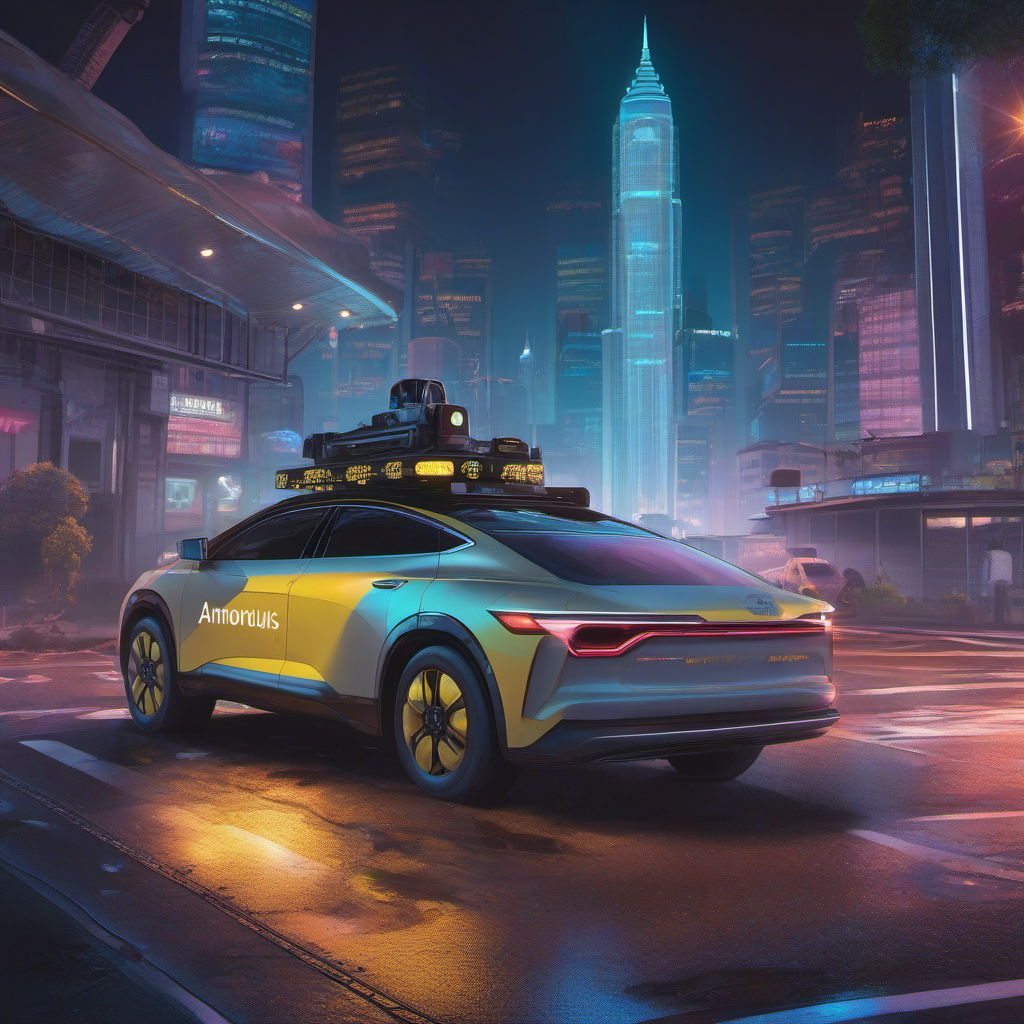
Wayve, a UK-based startup specializing in self-driving technology, has announced a partnership with Stellantis to integrate its autonomous driving systems into Stellantis vehicles by 2028. This collaboration marks a significant step for Wayve, as it ventures into the competitive North American market. The partnership is noteworthy because it not only expands Wayve’s geographical reach but also aligns it with an automotive giant, potentially reshaping the self-driving landscape in the United States.
### What Wayve Actually Does
Wayve’s approach to self-driving technology sets it apart from many of its competitors. Unlike others that rely heavily on pre-mapped data and extensive sensor suites, Wayve focuses on an AI-driven model that learns to drive in real-world environments. This learning-based method uses camera data and machine learning algorithms to adapt to various driving conditions, theoretically enabling quicker scaling and adaptability. While this tech has shown promise in controlled environments, real-world deployment will be the true test of its efficacy and reliability.
### Competitive Context
The autonomous vehicle space is crowded and fiercely competitive, with established players like Waymo, Cruise, and Tesla already making significant strides. Wayve’s entry into the U.S. market through its partnership with Stellantis could provide it with a unique foothold, but it will have to prove its technology against companies with more resources and longer track records in the industry. The collaboration with Stellantis, a major global automaker, offers Wayve valuable resources and testing ground, yet the market remains skeptical of self-driving promises that have yet to fully materialize.
### Real Implications for Founders, Engineers, and the Industry
For founders and engineers, Wayve’s partnership with Stellantis highlights the importance of strategic alliances in the expansion of tech startups. The U.S. automotive market is vast, and entering it requires more than just innovative technology—it demands partnerships with established players who can offer market access and credibility. Engineers working in the autonomous vehicle sector can take note of Wayve’s AI-centric approach, which emphasizes learning from real-world data over pre-set maps. This could influence future development strategies and hiring priorities for those looking to innovate in the space.
Investors should watch how Wayve’s technology performs in real-world conditions and assess whether its AI-driven approach offers a viable alternative to sensor-heavy systems. The success or failure of this partnership will likely influence investment strategies in the autonomous vehicle domain, potentially steering funds towards companies that prioritize adaptable AI models over traditional methods.
### What Happens Next
Wayve and Stellantis will work towards integrating and testing the self-driving technology in various models, with a target deployment date set for 2028. As this collaboration progresses, other companies in the self-driving space will watch closely to see if Wayve’s unique approach can overcome the challenges that have stymied other efforts. For startups and engineers, the key takeaway is the necessity of aligning cutting-edge technology with strategic partnerships, especially when entering established markets.