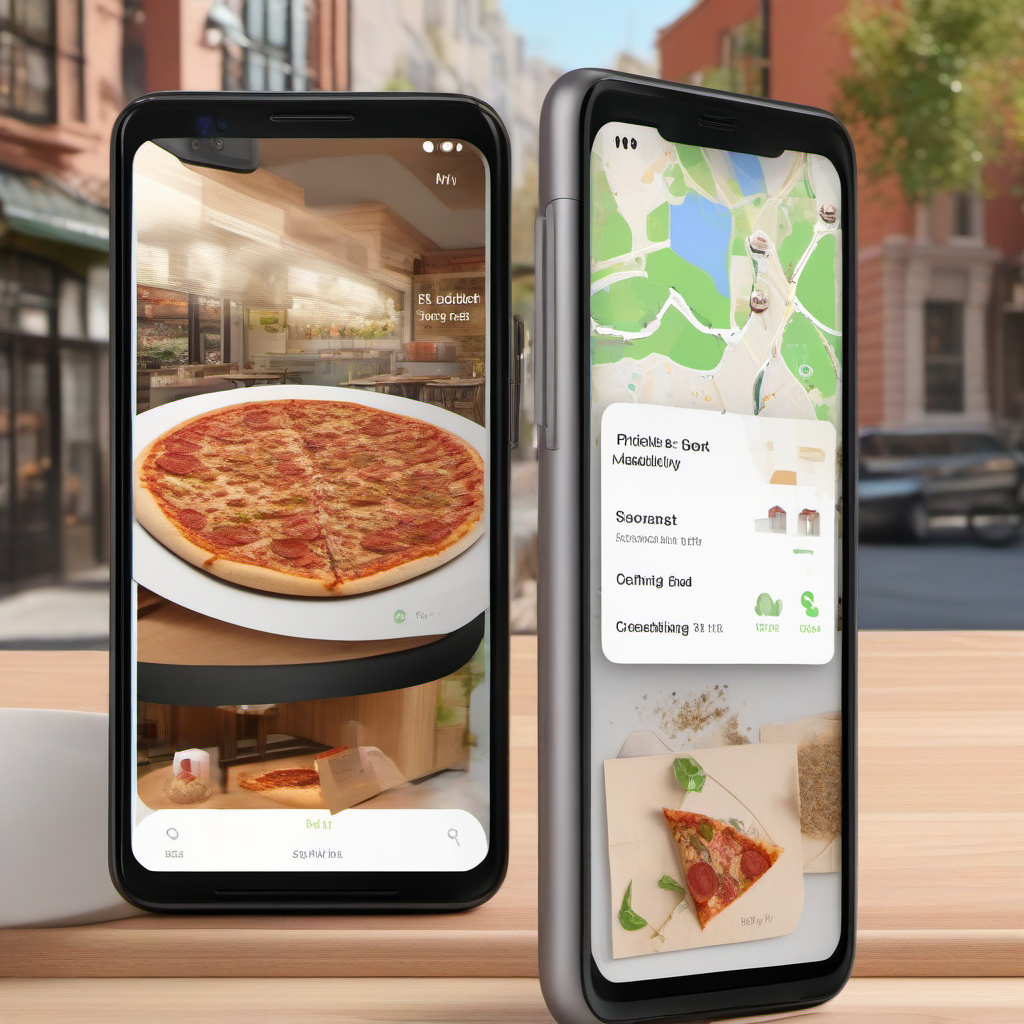
Google has announced the rollout of agentic AI and vibe-coded widgets to its Android platform, a move that could redefine how users interact with their devices. While the tech giant claims these features enhance user experience by making interactions more intuitive, the real question is whether these updates provide tangible benefits or simply add more layers to the already complex Android ecosystem.
### What Google’s New Features Actually Do
The introduction of agentic AI to Android is essentially Google’s attempt to infuse its devices with more autonomous decision-making capabilities. This AI aims to anticipate user needs by learning from user behavior and context. For instance, if you regularly order takeout on Friday nights, the AI might suggest your favorite restaurant around that time.
Meanwhile, vibe-coded widgets are designed to reflect and adapt to the user’s mood or environment, offering a personalized interface. If you’re relaxing at home, your phone might display a calming theme with easy access to music apps or e-books. These features align with Google’s broader push towards creating a more personalized user experience, but the practical value remains to be seen.
### Competitive Context
Google isn’t the first to venture into AI-driven personalization. Apple has long been integrating similar features with Siri and its smart home ecosystem. However, Google’s approach differs by embedding these capabilities directly into the Android operating system, potentially offering a more seamless and comprehensive experience.
The competitive landscape is tight, with Amazon’s Alexa and Samsung’s Bixby also vying for dominance in smart assistance. Google’s success will depend on how well these features are received by users and whether they genuinely enhance daily interactions or become another set of gimmicky tools that users quickly disable.
### Real Implications for Founders, Engineers, and the Industry
For developers and engineers, these updates could mean a shift in how apps are designed and built. The focus may need to shift towards integrating with these AI features to remain competitive in the app marketplace. Developers will need to think creatively about how to leverage Google’s AI capabilities to provide more value to users.
For founders and product managers, the challenge will be to assess whether integrating these features aligns with business goals or if they are merely chasing the latest trend. While there’s potential for improved user engagement, there’s also the risk of alienating users who prefer simplicity over complexity.
Investors should watch how this impacts Google’s market share and user satisfaction. If successful, it could signal a broader shift towards more autonomous technology in consumer devices, prompting other tech companies to follow suit.
### What Happens Next
Google plans to roll out these features gradually, starting with a select group of users before a wider release. This phased approach will allow the company to gather feedback and make adjustments as needed. For founders and engineers, this is a pivotal moment to evaluate whether integrating with Google’s new AI capabilities can offer a competitive edge or if it’s wiser to wait and see how users respond. As these technologies evolve, the key will be to balance innovation with user-centric design, ensuring that new features genuinely enhance the user experience rather than complicate it.