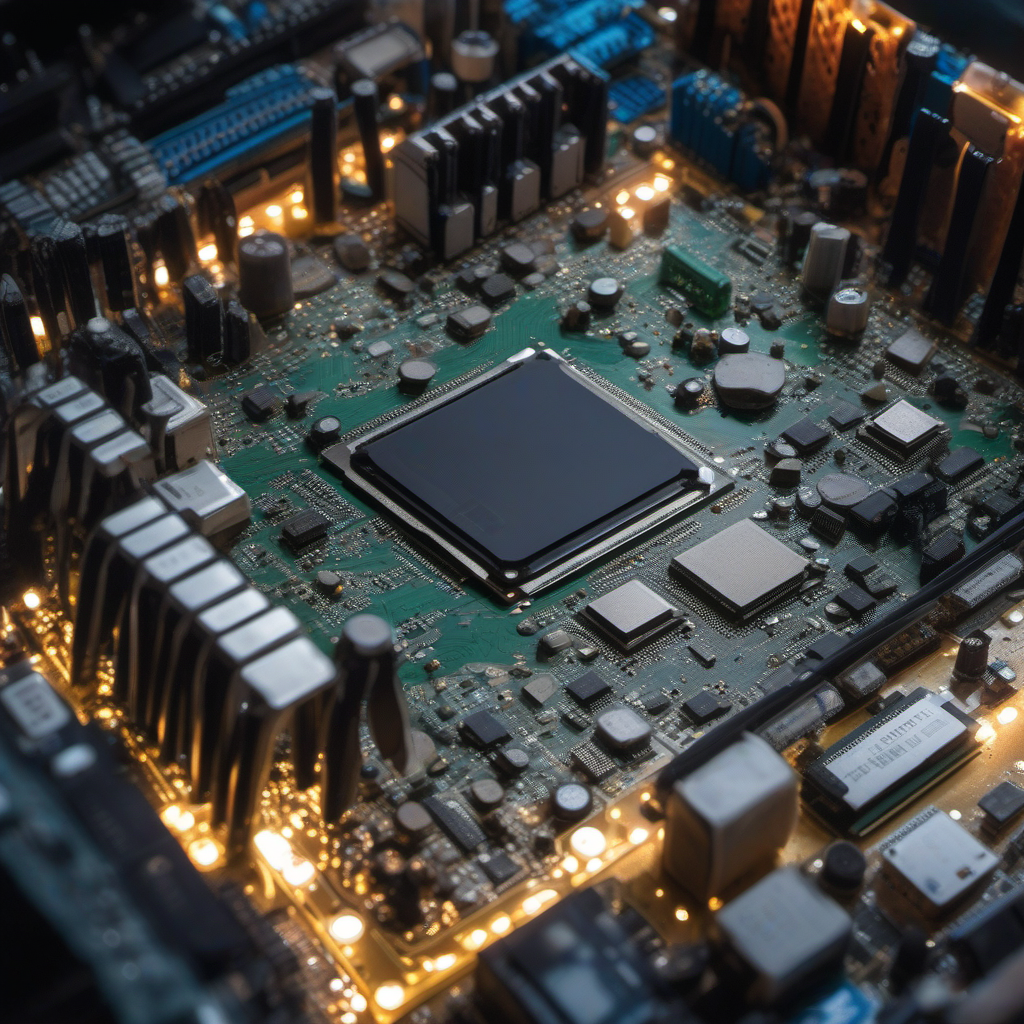
The global motherboard market is experiencing an unexpected downturn, with sales plummeting due to unprecedented component shortages exacerbated by the surging demand for AI hardware. This development highlights a critical bottleneck in the tech supply chain, raising alarms for hardware manufacturers and tech companies dependent on these components.
## What’s Happening with Motherboards?
Motherboards are essential for any computing device, acting as the backbone that connects the processor, memory, and other vital components. Typically, the market for motherboards is stable, driven by consistent demand from consumers upgrading or building new PCs. However, the current situation is far from typical. The rise of AI applications has led to an increased demand for specific components, such as GPUs and specialized processors, diverting resources away from traditional consumer products like motherboards.
The scarcity is largely due to semiconductor manufacturers prioritizing AI chip production over general-purpose hardware. This shift is compounded by existing global supply chain issues, including the lingering effects of pandemic-related disruptions and geopolitical tensions affecting key manufacturing regions.
## Competitive Context: Who’s Affected?
Major motherboard manufacturers, including ASUS, Gigabyte, and MSI, are feeling the impact as they struggle to meet demand with insufficient supply. These companies have reported declining sales in recent quarters, with some experiencing double-digit percentage drops. The situation is exacerbated by the fact that many of these manufacturers rely on the same suppliers for critical components, leading to a competitive scramble over limited resources.
The shortage has also impacted smaller manufacturers and niche players who lack the bargaining power of industry giants, putting them at an even greater disadvantage. With resources funneled towards AI-related products, the traditional PC market is experiencing a slowdown, affecting both companies specializing in consumer electronics and those catering to enterprise solutions.
## Real Implications for Industry Players
For founders and engineers in the hardware space, the current motherboard shortage underscores the need for strategic planning and adaptability. Companies may need to explore alternative supply chains or invest in developing proprietary components to mitigate dependency on volatile markets. Engineers might find themselves working under constraints, needing to design products with fewer resources or pivoting to focus on AI-centric developments.
For investors, this scenario presents both challenges and opportunities. The AI boom offers lucrative prospects, but the shifting focus also necessitates a reevaluation of portfolios, particularly for those heavily invested in traditional PC components. Understanding the dynamics of component allocation and anticipating future supply chain trends will be crucial for making informed decisions.
## What Happens Next?
As the demand for AI technology continues to rise, the motherboard market may face prolonged volatility. Companies will need to navigate these challenges by innovating their supply strategies and possibly diversifying their product lines to align with the evolving tech landscape. For engineers and founders, this means staying informed about supply chain developments and being prepared to pivot their focus to areas with more promising growth and stability.