Apple Silicon and Virtual Machines: Beating the 2 VM Limit
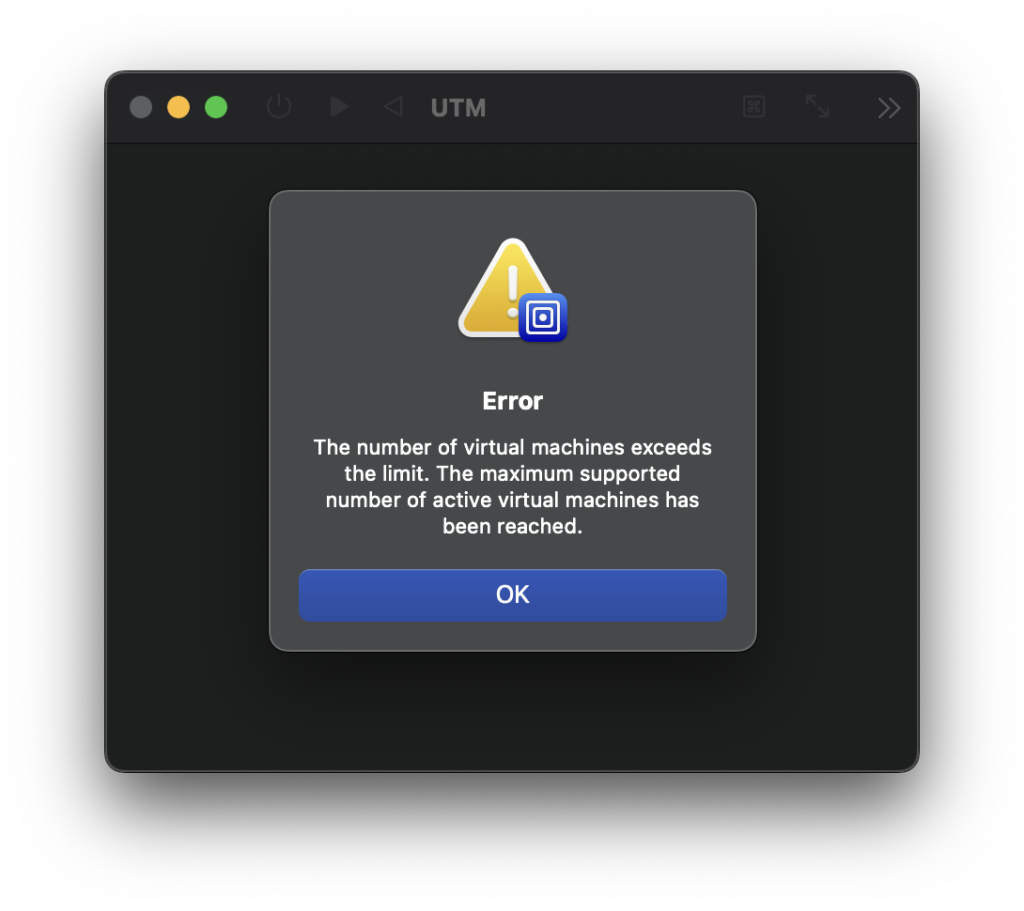
Apple Silicon users have long faced a limitation when running macOS virtual machines: only two macOS guest VMs could be active at once. This restriction, embedded within macOS’s system software, has been a point of frustration for developers and hobbyists alike. However, recent developments have revealed a method to bypass this limit, allowing for more extensive virtualization on Apple’s hardware.
Apple’s Virtualization Framework
Apple’s Virtualization framework, integral to macOS, has traditionally enforced a two-VM limit due to licensing agreements and system integrity constraints. This limitation is outlined in macOS’s Software License Agreement, which restricts users to running only two additional instances of macOS for development, testing, or personal use. Despite this, the framework has been a popular choice for those seeking to create and manage virtual machines on Apple Silicon devices, thanks to its integration with Apple’s hardware.
Breaking Through the Limit
A recent deep dive into macOS internals has uncovered that the two-VM limit is not hardcoded into the user space but rather enforced at the kernel level. By examining the macOS kernel, specifically the closed-source components of XNU, developers have identified a variable that controls the VM quota. Using development kernels and modifying boot arguments, it is possible to override this limitation, allowing for a significantly higher number of active VMs.
This discovery is particularly significant for developers and IT professionals who require multiple virtual environments for testing and development. It enables a more flexible and powerful use of Apple’s hardware, aligning more closely with the capabilities seen in enterprise environments.
Implications for the Industry
The ability to run more than two macOS virtual machines on Apple Silicon could have broad implications for the industry. It may encourage more developers to adopt Apple’s hardware for enterprise solutions, particularly in sectors that rely heavily on virtual environments. This development could also influence Apple’s future hardware and software decisions, potentially leading to more official support for extensive virtualization capabilities.
Furthermore, this advancement highlights the ongoing interest and involvement of the developer community in pushing the boundaries of Apple’s ecosystem. It demonstrates a demand for more robust virtualization solutions, which could drive competition and innovation within the virtualization software market.
What’s Next?
While this method of bypassing the VM limit is not officially supported by Apple, it opens the door for further exploration and potential enhancements in virtualization on Apple Silicon. As developers continue to experiment and share findings, we may see new tools or updates that simplify the process or even official support from Apple in future macOS releases.
For now, this breakthrough provides a valuable opportunity for those seeking to maximize the capabilities of their Apple Silicon devices, offering a glimpse into the potential of Apple’s hardware when paired with innovative software solutions.