
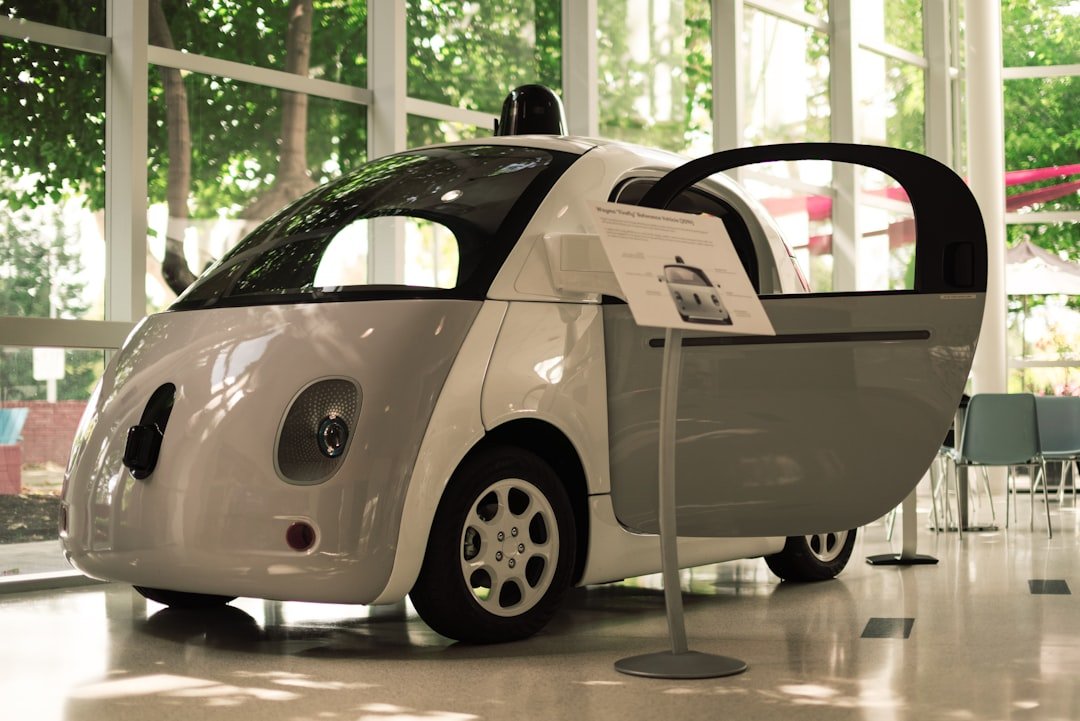
Waymo has announced the development of a new computer model aimed at enhancing its understanding of human behavior during crash scenarios involving its robotaxis. As autonomous vehicle (AV) technology continues to inch toward mainstream adoption, the ability to accurately compare robotaxi performance to human drivers is crucial. Waymo claims its new model offers a more precise benchmark for these comparisons, potentially influencing both regulatory standards and public perception.
### Decoding Human Behavior in Crash Scenarios
Waymo’s latest initiative focuses on the intricate task of simulating human decision-making during vehicle collisions. The new computer model is designed to analyze and replicate human responses in crash situations that its autonomous vehicles might encounter. This model aims to provide insights into the complexities of human behavior, which are notoriously difficult for machines to predict and replicate.
The model’s development reflects Waymo’s efforts to address one of the major hurdles in the AV industry: ensuring that autonomous systems can safely navigate unpredictable human actions. By refining how their vehicles perceive and react to potential collisions, Waymo hopes to bridge the gap between human and machine driving capabilities. This could not only improve the safety of their robotaxis but also bolster consumer trust in autonomous technology.

### Navigating a Crowded and Competitive Field
Waymo is not alone in the race to perfect autonomous driving systems. Competitors like Cruise, Tesla, and Argo AI are also vying for dominance in this space, each bringing unique approaches to the table. Tesla, for instance, relies heavily on its fleet data and a vision-based approach, while Cruise focuses on extensive real-world testing in urban environments.
In this fiercely competitive field, Waymo’s new benchmark model could serve as a differentiator. However, the effectiveness of such a model in real-world applications remains to be seen. While Waymo touts this development as a step forward, the true test will be how it performs under the scrutiny of regulators and in the eyes of a skeptical public.
### Implications for Industry Stakeholders
For founders and engineers in the AV sector, Waymo’s move underscores the importance of robust simulation tools in developing safe and reliable autonomous systems. As the industry grapples with regulatory challenges and public skepticism, advancements in accurately modeling human behavior could prove crucial. This development also highlights the need for interdisciplinary approaches that combine technology with insights from psychology and human factors engineering.
Investors, on the other hand, should note that while advancements like Waymo’s new model are promising, the path to widespread AV adoption remains fraught with challenges. Regulatory approvals, public acceptance, and technological hurdles still stand in the way. As such, investment decisions should consider not just technological advancements but also the broader ecosystem in which these technologies will operate.
### What Comes Next?
Waymo’s new model represents a step in the ongoing journey toward integrating autonomous vehicles into everyday life. The next phase will likely involve rigorous testing and validation, both in controlled environments and real-world scenarios. For engineers and developers, this means a continued focus on improving system reliability and safety.
For those in the AV industry, the message is clear: as technology evolves, so must the methods for evaluating it. Whether you’re a founder looking to differentiate your product, an engineer working on the next big breakthrough, or an investor seeking the next opportunity, understanding and leveraging these developments will be key to navigating the future of autonomous vehicles.