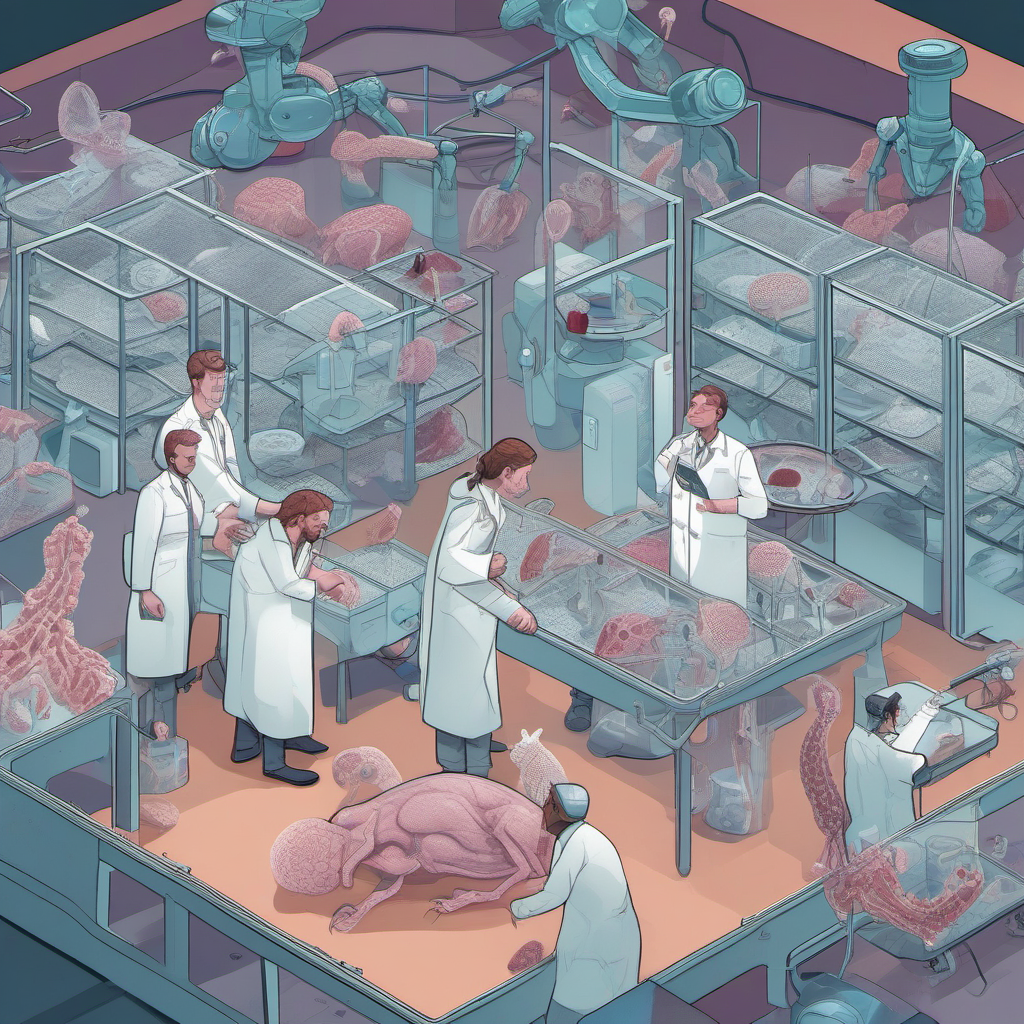
Two Canadian life sciences companies are stepping into the spotlight with a collaboration aimed at revolutionizing preclinical drug development. VoxCell BioInnovation and adMare BioInnovations, both based in British Columbia, have partnered to explore the commercial potential of a new antibody-based immune-modulating therapy. This partnership is particularly notable as the U.S. FDA pushes for reduced animal testing, highlighting the growing need for human-relevant tissue models.
## What VoxCell and adMare Are Bringing to the Table
VoxCell BioInnovation, headquartered in Victoria, specializes in creating bio-printed vascularized human tissue models. These models incorporate human tumor, immune, and stromal compartments with a perfused, endothelial-lined vasculature, simulating a human-like system. According to Dr. Karolina Valente, CEO of VoxCell, their platform addresses a significant gap in current preclinical testing: the limitations of animal models in predicting human drug efficacy.
Vancouver-based adMare BioInnovations acts as a catalyst for the Canadian life sciences sector. The organization aims to transform scientific discoveries into viable Canadian companies and therapies. By integrating VoxCell’s technology, adMare hopes to enhance the preclinical validation process, generating robust safety and efficacy data earlier in drug development.
## Competitive Context in the Life Sciences Sector
This collaboration emerges as regulatory bodies like the FDA advocate for New Approach Methodologies, which include human-relevant 3D tissue platforms. The call for reduced animal testing has opened doors for technologies like those developed by VoxCell. While animal models have been the cornerstone of drug testing, the push towards more predictive and ethical methods is gaining traction.
adMare’s track record of creating 39 companies that have collectively attracted $2.5 billion in capital speaks to its influential role in the industry. The organization’s newly launched M4 Innovation Centre in Mount Pleasant further cements its status as a hub for life sciences innovation. This facility, equipped with wet labs and collaboration spaces, is poised to support over 20 companies, providing an environment ripe for the growth of biotechnologies like VoxCell’s.
## Implications for Founders, Engineers, and the Industry
For founders and engineers in the life sciences sector, the VoxCell-adMare partnership highlights the growing importance of human-relevant models in drug development. As regulatory landscapes evolve, there’s an increasing demand for technologies that can provide more accurate human data earlier in the drug development process. This collaboration not only underscores the potential market for such technologies but also emphasizes the need for multidisciplinary approaches in tackling complex biological challenges.
Engineers working in bio-printing and tissue modeling might find valuable insights from VoxCell’s approach, which combines multiple biological components into a cohesive system. This could signal opportunities for innovation in creating more sophisticated models that could further reduce reliance on animal testing.
For investors, the collaboration is a reminder of the potential returns in supporting companies that align with industry trends toward ethical and efficient drug development. As adMare continues to foster Canadian life sciences ventures, the partnership with VoxCell could serve as a model for how targeted investments can lead to scalable, globally competitive companies.
## What’s Next in the Evolution of Biologic Therapies
As VoxCell and adMare move forward with their collaboration, the focus will be on validating the commercial viability of their immune-modulating therapy. The success of this venture could influence how biologic therapies are developed and validated, setting a precedent for future industry practices.
For those in the life sciences field, this partnership serves as a call to stay abreast of regulatory changes and technological advancements. Founders and engineers should consider how human-relevant models might be integrated into their own development pipelines, potentially unlocking new pathways for innovation and investment.