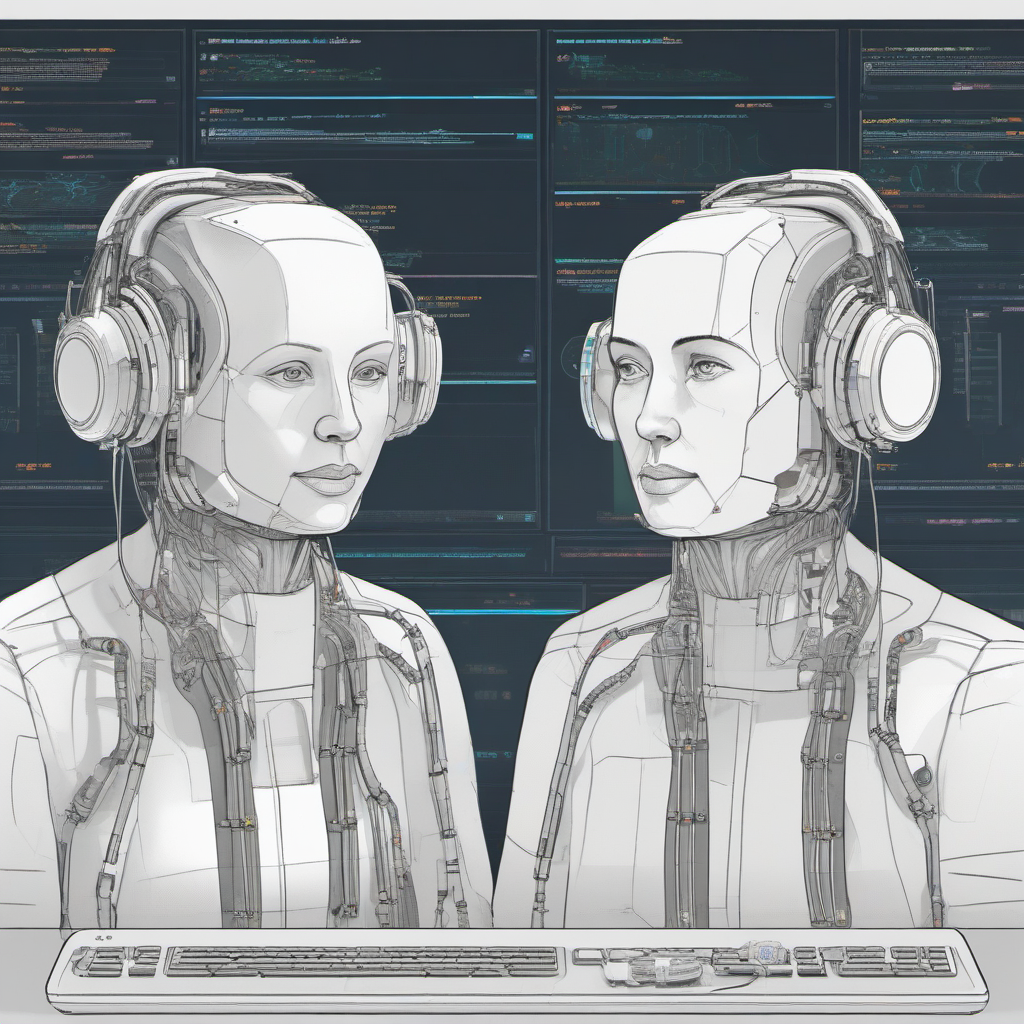
Thinking Machines, a Toronto-based startup, is setting out to change the way we interact with AI models. Instead of the traditional back-and-forth interaction, where users input a question and wait for a response, Thinking Machines is developing technology that allows AI to process input and generate output simultaneously. The goal is to create a more fluid, conversational experience akin to a phone call rather than a staggered text exchange. This could shift the way users engage with AI, making interactions smoother and potentially more intuitive.
### What Thinking Machines is Building
The current AI landscape is dominated by models that operate on a simple call-and-response mechanism. Users input a query, the AI processes it, and then returns an answer. Thinking Machines is challenging this model by developing an AI that can listen and talk at the same time. This means as a user speaks, the AI is already working on generating a response, cutting down on wait times and fostering a more dynamic conversation.
The company’s approach involves sophisticated algorithms capable of multitasking effectively, balancing the dual demands of processing input and crafting output simultaneously. While the technical specifics are proprietary, the implications are clear: faster, more natural interactions that could enhance user experience in applications ranging from customer service to personal assistants.
### Competitive Context
While Thinking Machines is not alone in its quest to improve AI interactions, its approach is relatively unique. Major players like Google and OpenAI have invested heavily in making AI responses more human-like, focusing primarily on improving the quality and context of responses. However, their models largely remain within the traditional query-response framework.
Thinking Machines’ technology could provide a competitive edge by addressing a different dimension of user experience—timeliness and conversational flow. If successful, this could force larger companies to rethink their approach to AI-human interaction, potentially leading to a new wave of development in the industry. That said, it remains to be seen whether Thinking Machines can scale its technology effectively against the backdrop of giants with vast resources.
### Implications for Founders and Engineers
For founders and engineers, the development of simultaneous input-output AI models presents both an opportunity and a challenge. On the one hand, it opens new avenues for creating applications that require real-time interaction, such as virtual customer support agents or interactive educational tools.
On the other hand, the technical challenges of building and maintaining such systems are non-trivial. Engineers will need to develop new algorithms capable of multitasking without sacrificing accuracy or context. This could require significant investment in R&D and a willingness to push beyond the current boundaries of AI capabilities.
For investors, Thinking Machines represents a potential high-risk, high-reward opportunity. The startup’s success hinges on its ability to deliver on its promises and carve out a niche in a highly competitive market. With AI becoming increasingly integrated into everyday life, the ability to offer a more seamless user experience could prove to be a valuable differentiator.
### What Happens Next
As Thinking Machines continues to develop its technology, the next steps will involve rigorous testing and iteration to ensure the AI can handle the complexities of real-world interactions. The company is likely to seek additional funding to support these efforts and bring its product to market.
For founders and engineers interested in this space, the progress of Thinking Machines could serve as a bellwether for the feasibility and potential of simultaneous input-output AI systems. Those willing to explore this frontier may find opportunities to innovate and lead in creating the next generation of conversational AI tools.