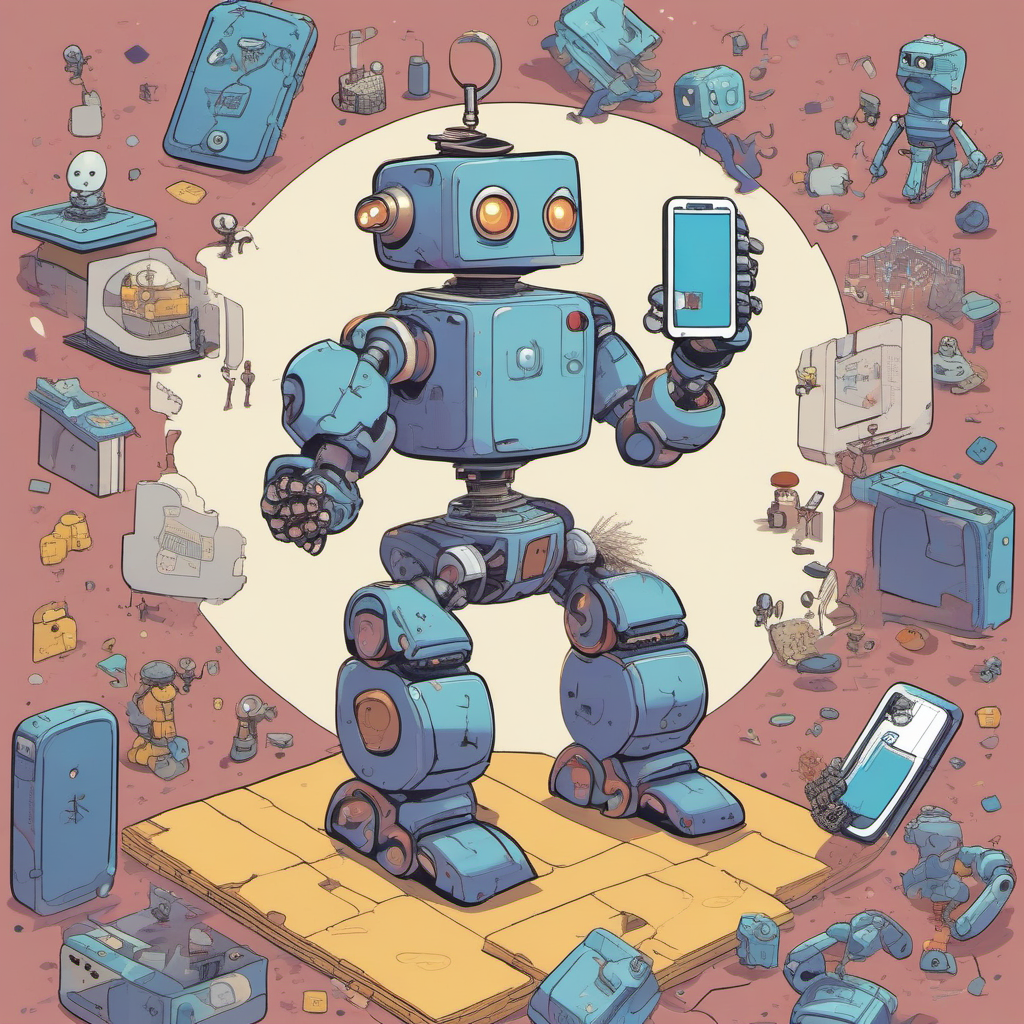
Meta has launched Pocket, an AI-driven app that allows users to create and share interactive mini-games with just text prompts. While Meta has been flirting with AI technologies for a while, Pocket marks the company’s first serious foray into the niche but growing space of AI-generated gaming content. This move could potentially redefine user engagement by lowering the barriers to game creation. But does anyone actually need this, or are we witnessing another tech trend that might fizzle out?
### What Pocket Does
Pocket is an AI-powered platform designed to democratize game development by enabling users to generate simple games through text prompts. Essentially, users describe a game concept, and the AI does the heavy lifting, turning that idea into a playable mini-game. The app aims to make game creation more accessible to those who lack technical skills or resources traditionally required for game development.
According to Meta’s press materials, Pocket can create a variety of game genres, from puzzle to platformer, with varying degrees of complexity. This approach leverages Meta’s expertise in AI and machine learning, allowing users to focus on creativity rather than coding. The app is currently available for download in select regions, including North America and parts of Europe.
### Competitive Context
Meta’s entry into AI-generated gaming content puts it in competition with a few startups that are also exploring the intersection of AI and game design. Companies like Roblox and Unity have been dabbling in similar spaces, offering platforms where users can create and share games. However, Pocket’s use of text prompts as a primary interface is a unique feature that sets it apart, at least for now.
Yet, Pocket isn’t without its challenges. The gaming industry is notoriously fickle, with players having a limited attention span for new offerings. Additionally, the app’s reliance on AI could lead to questions about the originality and quality of the games it generates. While AI can produce code, it remains to be seen if it can produce games that are as engaging or nuanced as those crafted by human designers.
### Real Implications for Founders, Engineers, and the Industry
For founders and engineers, Pocket raises the question of where AI fits into the future of game design and development. The app’s ease of use could inspire a new wave of creators who might otherwise have been sidelined by the technical demands of game creation. However, this democratization comes with its set of challenges. There’s a risk that the market could become flooded with low-quality games, making it harder for genuinely creative projects to stand out.
From an industry perspective, Pocket could potentially lower development costs, making it easier for startups to test new game concepts without significant investment. On the flip side, it also raises concerns about the devaluation of game design as a craft. If AI can handle the bulk of the design process, what role will human creativity play in the future of gaming?
### What Happens Next
As Pocket rolls out more widely, it will be crucial to see how both users and the broader gaming community react. For founders, this means staying agile and open to the possibilities that AI-generated content offers, while also being mindful of the potential pitfalls. If you’re an engineer, consider how AI could automate parts of your workflow—or even redefine your role. And for investors, Pocket might be a signal to keep an eye on AI-driven platforms as they evolve, but with the usual grain of salt that accompanies any new tech trend.