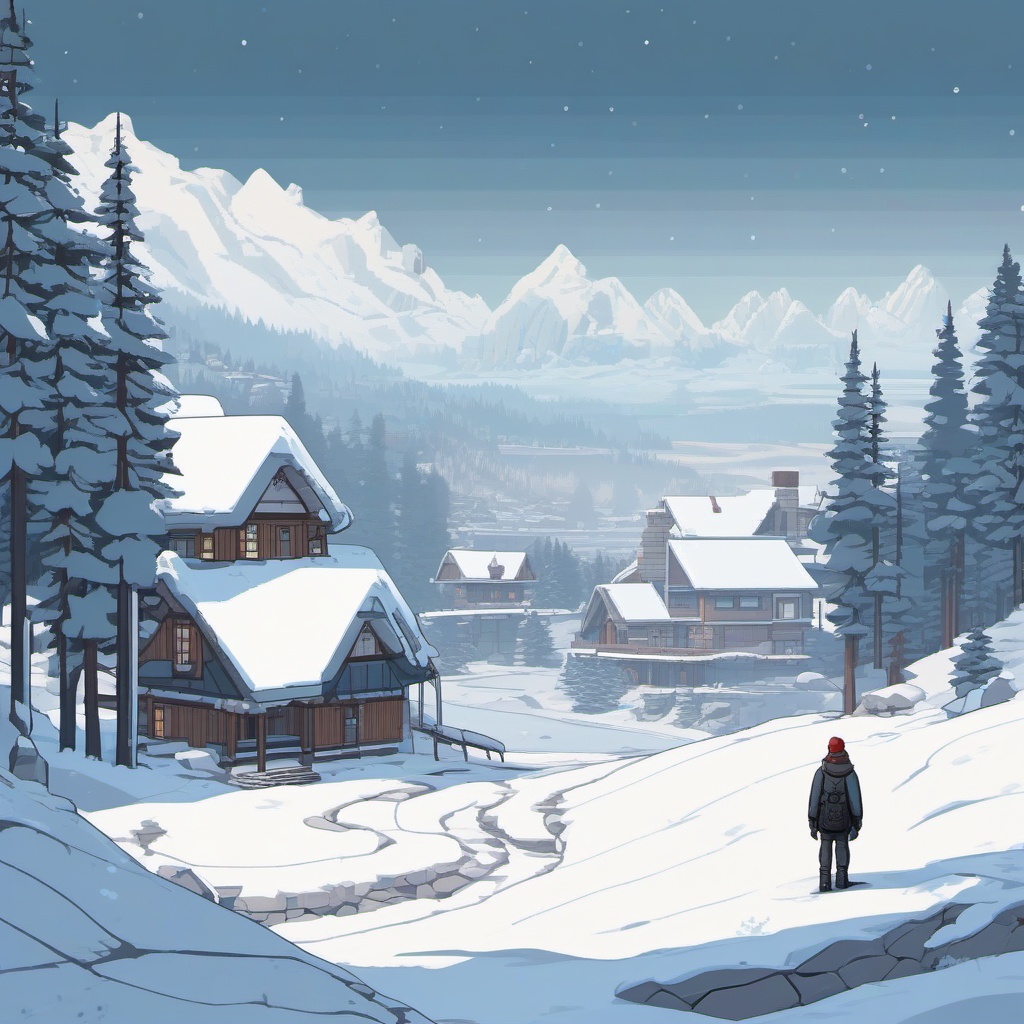
Canadian video game developers are increasingly setting their games in the Great White North, and this trend matters for more than just national pride. These games are not only showcasing Canada’s diverse landscapes and cultures but also reflecting a growing desire to see more authentic and varied stories in gaming. As the industry evolves, Canadian settings offer fresh narratives that both local and global audiences can connect with, raising questions about how this trend might influence the future of game development.
### What Games Set in Canada Actually Offer
Games like Hinterland Studio’s “The Long Dark,” an exploration-survival experience set in the Canadian wilderness, and Ubisoft’s “Assassin’s Creed Valhalla,” which includes a nod to Vinland (an area of coastal North America discovered by Norse Vikings), are examples of how Canadian settings are being utilized. These games offer players a chance to explore the nation’s vast natural beauty, from the Rockies to the Maritimes, and delve into rich cultural stories, including Indigenous and immigrant narratives. By incorporating real-world Canadian elements, developers are not just creating games; they’re crafting experiences that resonate with authenticity and depth.
These settings do more than provide a backdrop; they invite players into worlds that are both familiar and uncharted. The inclusion of Canadian elements allows developers to tap into a unique aesthetic and narrative space, providing a fresh alternative to the overused locales of New York or Tokyo in the gaming world.
### Competitive Context: Standing Out in a Crowded Market
In a global market saturated with high-budget titles, Canadian settings offer a niche yet compelling differentiator. The gaming industry is notoriously competitive, with developers constantly seeking ways to distinguish their products. While AAA titles often dominate with massive marketing budgets, smaller studios can leverage Canada’s unique landscapes and stories to carve out a distinct presence.
However, this trend isn’t without its challenges. The risk of over-reliance on setting as a selling point is real, especially if the narratives don’t hold up beyond the initial allure of a Canadian setting. Developers must ensure that these locations serve the story and gameplay effectively, rather than becoming mere gimmicks. This approach requires a delicate balance of creativity and cultural sensitivity, particularly when incorporating Indigenous narratives or diverse immigrant stories.
### Implications for Founders, Engineers, and the Industry
For Canadian game developers, setting games in Canada offers both opportunity and responsibility. Founders and creative leads can differentiate their offerings by tapping into underrepresented narratives, potentially reaching audiences seeking more diverse storytelling. However, this approach demands a commitment to authenticity and respectful representation, which can require additional resources for research and consultation.
Engineers and designers, meanwhile, face the technical challenge of accurately rendering Canada’s varied environments, from dense urban centers to remote wilderness. This requires an investment in both technology and understanding of the locales being depicted. As developers push for realism and immersion, the demand for expertise in environmental design and narrative integration grows.
For investors, this trend signals a potential shift in gaming preferences, with audiences showing interest in culturally rich and diverse settings. Investing in studios that prioritize authentic storytelling and unique settings could yield significant returns, provided these elements are thoughtfully integrated into the gameplay experience.
### What Happens Next
As Canadian developers continue to explore their own backyard in video game settings, the industry will likely see an increase in titles that offer both local and global players a taste of Canada. This trend could spur greater collaboration between developers and cultural experts, leading to richer and more varied gaming experiences. For founders, engineers, and investors, the opportunity lies in embracing this narrative shift with care and creativity, ensuring that Canadian stories are told with the depth and respect they deserve.