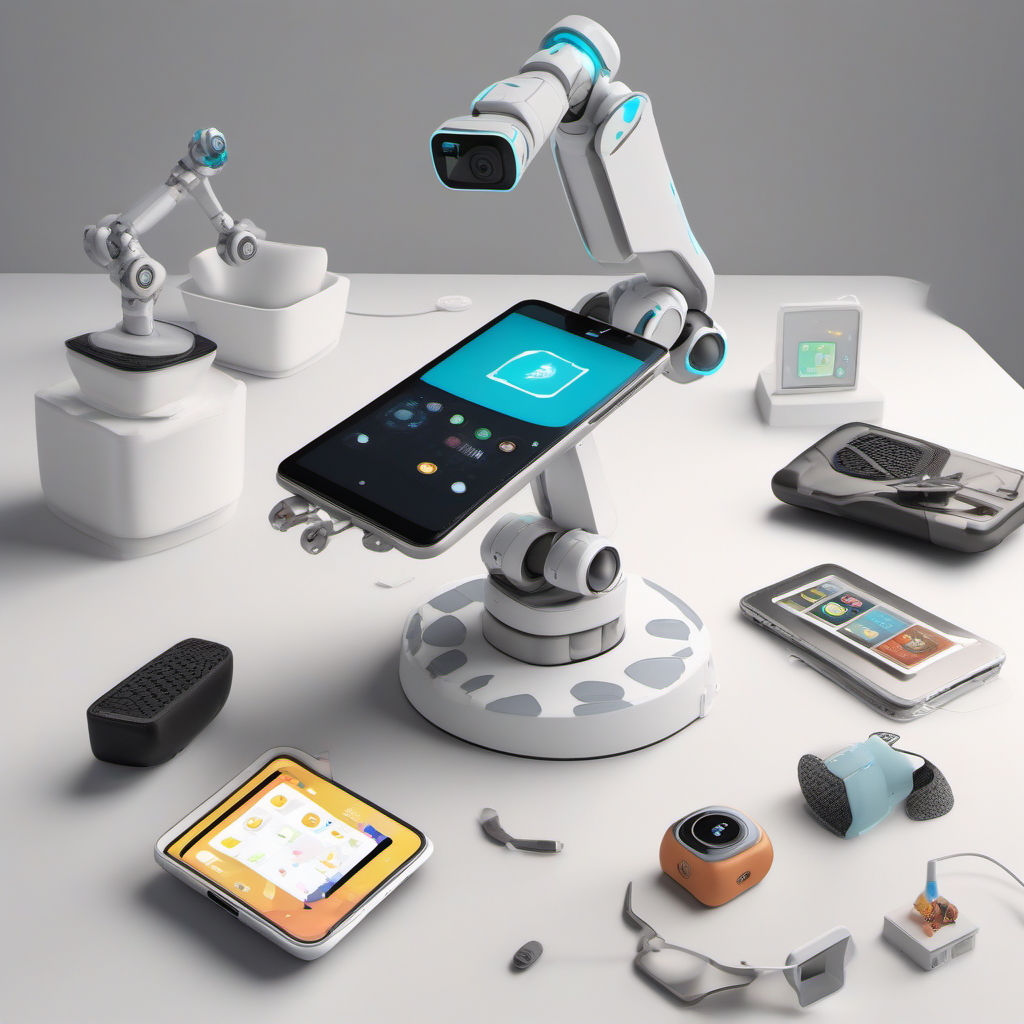
Hugging Face, the company synonymous with open-source AI models, is bringing the concept of app stores to the world of robotics with the launch of its Reachy Mini App Store. Designed for the Reachy Mini, a $299 open-source robot, this store offers over 200 community-built applications, transforming how non-experts can interact with robot technology. This move could significantly lower the barriers to entry in robotics, allowing even those without technical backgrounds to create functional robotics software within an hour.
## What the Reachy Mini and Its App Store Actually Do
The Reachy Mini is a compact desktop robot equipped with camera eyes, a speaker, and a microphone, designed to be a versatile platform for robotics experimentation. With the launch of its App Store, Hugging Face is making it easier for users to explore the robot’s capabilities. The store already features more than 200 applications, all available for free download. Unlike traditional app marketplaces, there is currently no monetization option for developers, but this could change as the ecosystem matures.
Hugging Face’s platform allows users to create custom applications through an AI-powered agent called “ML Intern.” This tool simplifies the development process, enabling users to describe desired robot behaviors in plain English. The AI agent then translates these descriptions into code, tests it against the robot’s parameters, and delivers a functional application. This approach eliminates the need for specialized knowledge in robotics software development, democratizing access to robotics technology.
## Competitive Context in the Robotics Space
While app stores are ubiquitous in the smartphone world, the concept is relatively new in robotics. Hugging Face’s entry into this space could challenge existing players by simplifying the development and deployment of robotics software. The company’s focus on open-source models and community-driven development sets it apart from more proprietary approaches taken by other robotics firms.
Robotics has traditionally been a field reserved for those with significant technical expertise, due in part to the complexity of programming robots and the specialized knowledge required. By lowering these barriers, Hugging Face is not just competing with traditional robotics companies but is also potentially expanding the market by attracting DIY enthusiasts, educators, and hobbyists.
## Real Implications for Founders, Engineers, and the Industry
For founders and engineers, the Reachy Mini App Store represents a shift in how robotics projects can be approached. It offers a low-cost, user-friendly platform to experiment with robotics without needing extensive technical knowledge. This could accelerate innovation by enabling more people to contribute to the field, potentially leading to a wider variety of applications and use cases.
For the robotics industry as a whole, the introduction of an app store model could stimulate growth by creating a more vibrant ecosystem. As more users engage with the platform, the potential for collaborative development increases, possibly leading to breakthroughs that might have been out of reach for individual developers or smaller teams.
The move also hints at a future where robotics are as accessible to the general public as personal computers or smartphones. While it’s too early to predict widespread consumer adoption, the Reachy Mini and its App Store could pave the way for more user-friendly robotics solutions.
## What Happens Next
As Hugging Face continues to expand the capabilities of the Reachy Mini and its App Store, the next logical step would be to introduce monetization options for developers, encouraging further innovation and development. For engineers and developers, this could mean new opportunities to profit from their creations and contribute to a growing community of robotics enthusiasts.
For those considering entering the robotics field, now is a promising time to start experimenting with the Reachy Mini platform. Its low cost and accessible development process make it an attractive option for those looking to gain hands-on experience in robotics without significant investment. This shift in accessibility could lead to a new wave of talent entering the field, further driving innovation and development in the industry.