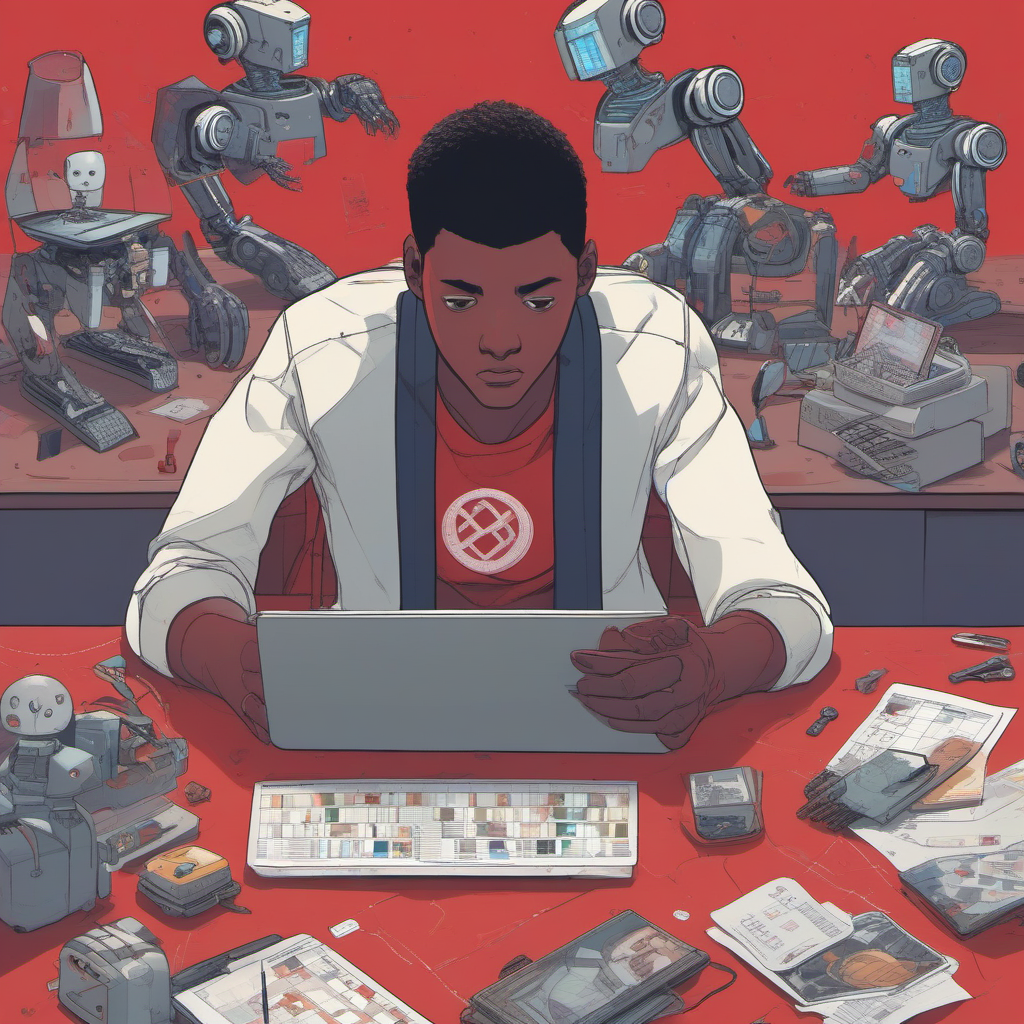
A growing wave of skepticism is sweeping across Gen Z, as the much-touted adoption of AI technologies seems to be losing its sheen. This sentiment is not just reflective of a tech fatigue but underlines deeper anxieties about job security and the lack of tangible benefits AI brings to their day-to-day lives. As AI firms continue to push the narrative of transforming industries, a significant portion of the youngest workforce is raising questions about the actual value these technologies provide.
## What AI Actually Does—Or Claims To
AI, often heralded as the backbone of future industries, promises to automate mundane tasks, enhance decision-making processes, and even predict market trends with uncanny accuracy. From chatbots handling customer inquiries to algorithms that optimize supply chains, the applications are vast. However, the reality for many end-users, particularly Gen Z, is that these promises often materialize as half-baked solutions that require more oversight than they save in effort.
Despite significant investments, like the $1 billion funding round OpenAI closed in 2022, the results are frequently underwhelming. While AI’s potential is immense, its practical implementation often falls short, leaving many to wonder if the hype is justified or if it’s a bubble waiting to burst.
## Competitive Context: The Hype and the Hustle
AI’s competitive landscape is crowded, with tech giants like Google, Microsoft, and IBM racing to outpace each other in developing the next big thing. Startups, too, are vying for a piece of the pie, often touting AI-based solutions that claim to disrupt industries overnight. However, the market is saturated with similar offerings, leading to a redundancy that does little to distinguish one product from another.
The stagnation in AI adoption among Gen Z could be attributed to this oversaturation. With every other startup proclaiming itself as the next AI leader, the noise has become deafening, and genuine value propositions are hard to identify. For a generation that values authenticity and real impact, the AI sector’s current state is less than appealing.
## Implications for Founders, Engineers, and the Industry
For founders and engineers, the Gen Z pushback highlights the necessity of aligning AI developments with clear, actionable benefits. The focus should shift from what AI can potentially achieve to what it can realistically deliver today. This means prioritizing user-friendly applications that solve real-world problems without the need for constant human intervention.
Engineers are tasked with the challenge of bridging the gap between AI’s potential and its practical utility. This involves not just technical prowess but a deep understanding of user needs and a commitment to transparency and ethical AI practices. The industry’s future depends on its ability to regain trust by demonstrating that AI is more than just a flashy buzzword.
## What’s Next?
As Gen Z voices grow louder, the AI industry must take a hard look at its strategies and recalibrate its approach. This generation’s skepticism could serve as a catalyst for much-needed introspection within the tech community, prompting stakeholders to prioritize genuine innovation over hype.
For founders, this means an opportunity—not just a challenge. Those who can navigate these waters with products that resonate with user needs will not only gain a competitive edge but also foster a more sustainable tech ecosystem. In this landscape, the real winners will be those who can turn skepticism into a catalyst for meaningful change.