
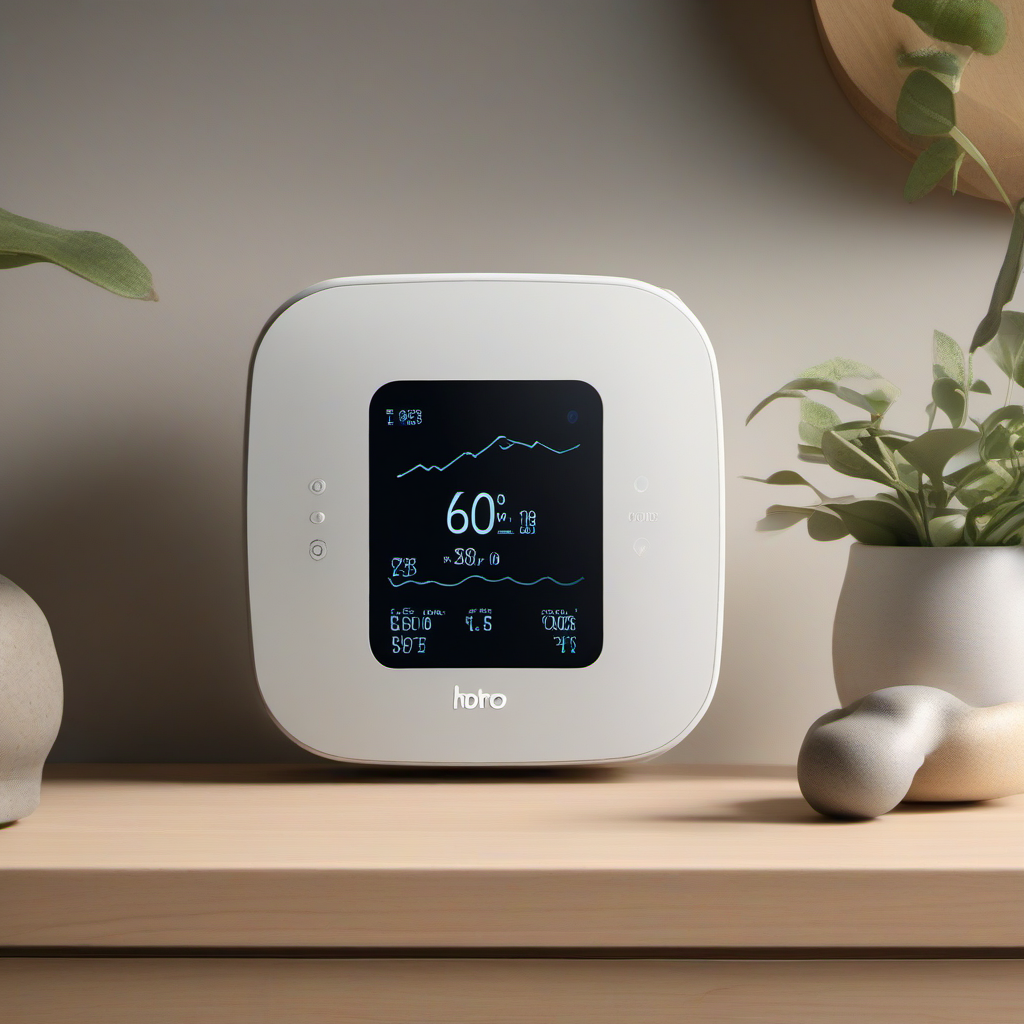
British Columbians can now sign up for free smart thermostats as part of BC Hydro’s Power Smart 2.0 plan, a $1-billion initiative aimed at reducing energy consumption and lowering electricity bills. This program, which starts immediately, is part of a broader strategy to modernize energy use in the province and help residents manage their energy expenses more efficiently.
## What the Program Offers
The free smart thermostat initiative is a key component of BC Hydro’s Power Smart 2.0 plan, which seeks to encourage energy conservation across British Columbia. By collaborating with Canadian companies Mysa and Sinopé, BC Hydro will provide smart thermostats at no cost to residents who use electric heating. Eligible households can request up to five devices, with free shipping included. These thermostats will also integrate with BC Hydro’s Peak Saver program, allowing residents to earn up to $100 annually by reducing electricity usage during high-demand periods. The initiative is expected to significantly enhance energy management for approximately 800,000 homes in the province.
## Competitive Landscape

BC Hydro’s choice to partner with Mysa and Sinopé highlights a focus on leveraging local technology for public benefit. Both companies are known for their energy-efficient products tailored to the Canadian climate. While the market for smart thermostats is competitive, featuring giants like Nest and Ecobee, BC Hydro’s program stands out due to its lack of cost to the consumer. By providing these devices for free, the initiative removes a financial barrier that might prevent widespread adoption. The collaboration with local companies also ensures that the solutions are well-suited to the unique needs of British Columbia’s residents.
## Implications for Industry Stakeholders
For founders and engineers in the smart home technology sector, this program underscores the importance of developing products that align with energy efficiency goals and government initiatives. The partnership with BC Hydro provides a significant distribution channel for Mysa and Sinopé, highlighting the potential benefits of aligning with public utility goals. For other companies, this could serve as a case study in how to engage with public entities to scale product adoption. Investors might take note of the increasing trend towards energy-efficient technologies, as government-backed programs like this can create new market opportunities and drive consumer interest.
As BC Hydro rolls out this initiative, the focus will likely remain on expanding participation in the Peak Saver program, targeting an additional 75,000 households by 2030. For tech entrepreneurs, engineers, and investors, the implications are clear: aligning products and services with public energy efficiency goals can open doors to significant market opportunities and facilitate widespread adoption.