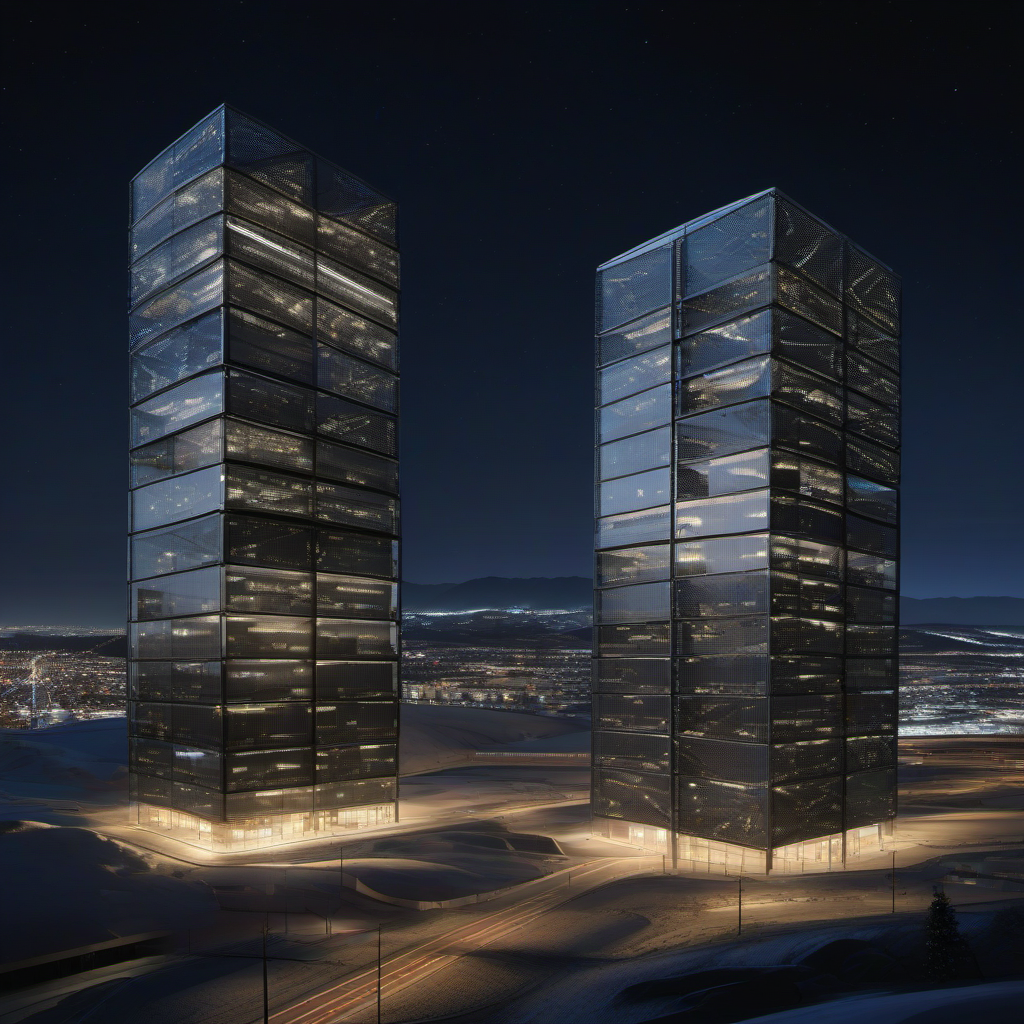
The Canadian government and Telus have unveiled plans to establish three artificial intelligence (AI) data centres in British Columbia, projected to inject $9 billion into the economy. This collaboration aims to bolster Canada’s AI infrastructure by leveraging renewable energy, positioning BC as a hub for AI innovation. However, the massive scale and urban integration of these projects raise questions about their impact on local communities and the actual necessity of such facilities.
## What Telus’s AI Factories Aim to Accomplish
Telus’s vision for the AI factories goes beyond traditional data storage. These centres will handle the entire AI lifecycle, from training and tuning to deploying AI models. The existing Kamloops data centre will be expanded, and two new facilities will be built in Vancouver’s densely populated Mount Pleasant and downtown areas. With a focus on renewable energy sourced from BC Hydro, Telus aims to create a sustainable infrastructure model that other regions might emulate.
The Kamloops centre currently supports up to 12,500 GPUs with a power capacity of 25 megawatts. The upcoming M3 Vancouver facility is set to handle 13,000 GPUs and generate 26 megawatts. The downtown centre, a more ambitious project, will accommodate over 50,000 GPUs and deliver up to 100 megawatts, making it one of the largest of its kind.
## Competitive Landscape and Industry Implications
In the context of global AI advancements, Telus’s initiative is part of a broader trend where telecom companies are increasingly venturing into AI to diversify their portfolios. Companies like Google, Amazon, and Microsoft have long dominated the AI infrastructure landscape, but Telus’s move could signal a shift toward more localized, sovereign AI solutions. However, questions remain about whether Telus can compete with these tech giants, particularly in attracting AI talent and handling the complexities of AI ecosystems.
For engineers and developers, the expansion of AI infrastructure in Canada could mean more job opportunities and resources for AI development. Yet, the saturation of AI solutions raises concerns about whether the demand will match the supply, or if this is simply another instance of AI hype overshadowing practical applications.
## Real Implications for Founders and Engineers
The economic promise of $9 billion and 1,000 construction jobs, along with 525 permanent roles, presents opportunities for local talent and startups to engage with cutting-edge AI technologies. Founders could benefit from the proximity to advanced AI resources, potentially lowering operational costs and speeding up development cycles.
However, the integration of these massive facilities into urban neighbourhoods like Mount Pleasant and downtown Vancouver poses challenges. The community impact, especially in terms of environmental sustainability and urban congestion, needs careful consideration. Local startups and engineers might find themselves navigating a landscape where the benefits of AI development are tempered by the social and environmental costs.
## What’s Next for BC’s AI Ambitions
The announced AI factories are set to roll out over the next decade, with the M3 facility expected by late 2026 and the downtown centre by 2029. As construction progresses, stakeholders, including local governments and community organizations, will likely engage in discussions about the project’s impact on urban environments.
For founders and engineers, the next few years will be critical in positioning themselves to leverage these facilities. Understanding the balance between AI’s potential and its practical applications will be key in deciding whether to align with such initiatives or focus on more proven, less speculative areas in tech development. As the landscape evolves, staying informed and adaptable will be essential for navigating these opportunities and challenges.