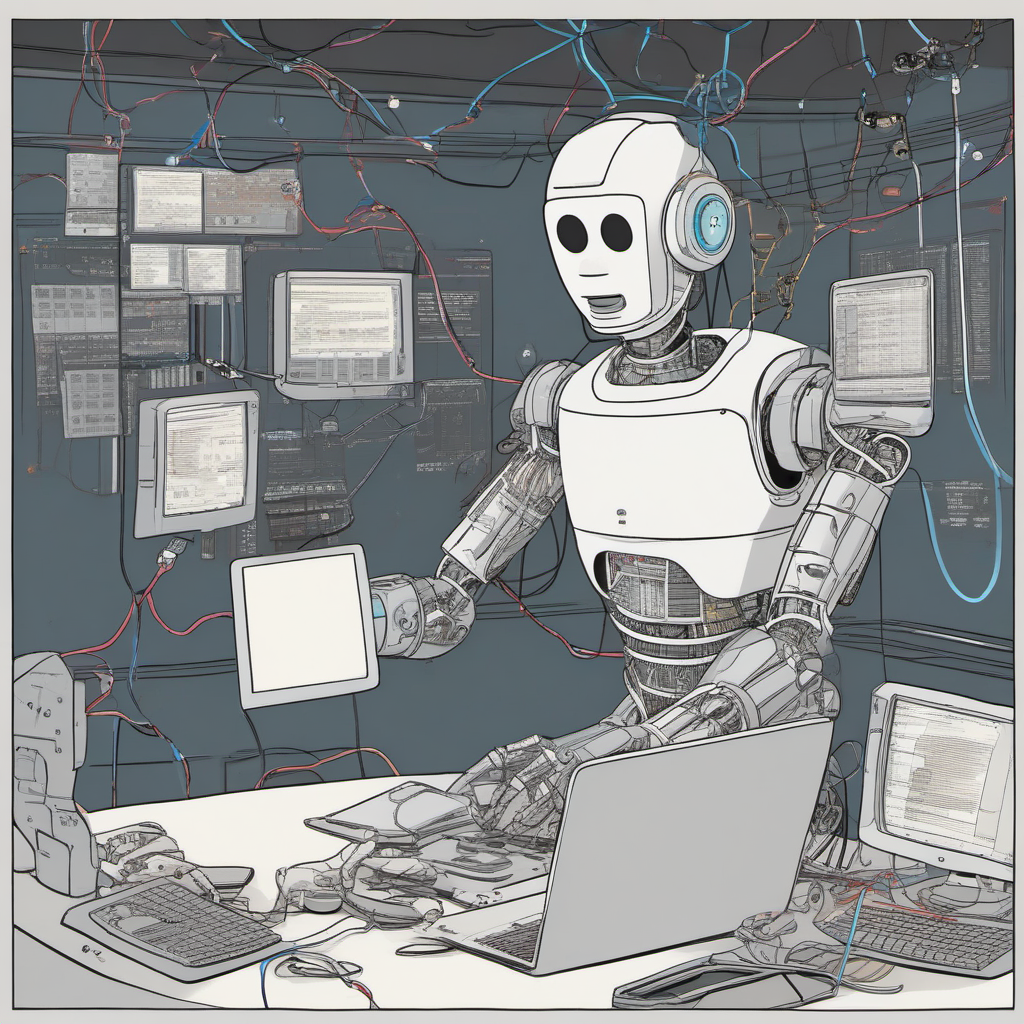
Eric Schmidt, former CEO of Google, recently made a bold prediction at a tech conference in San Francisco: the era of writing code manually is nearing its end. This statement is not just a shot across the bow for developers worldwide, but also a nod to the rapid advancements in AI-driven code generation tools. As the tech world grapples with automation’s impact on jobs and workflows, Schmidt’s comments are stirring debates about the future of programming.
## The Rise of AI-Assisted Coding
AI-powered tools like GitHub Copilot and OpenAI’s ChatGPT are already making waves by assisting developers in writing code more efficiently. These tools leverage vast amounts of data and sophisticated algorithms to suggest code snippets, debug errors, and even write entire functions. Proponents argue that AI can handle repetitive coding tasks, freeing up human developers to focus on more complex problem-solving and creative aspects of software development.
While these tools have demonstrated potential, they are not without shortcomings. The accuracy of AI-generated code depends heavily on the training data and the context provided by human developers. Mistakes can lead to security vulnerabilities and bugs, necessitating careful human oversight. Despite these challenges, the push towards AI-assisted coding is undeniable, with tech giants investing heavily in refining these tools.
## Navigating the Competitive Landscape
The competitive landscape for AI-driven coding tools is heating up. Established firms like Microsoft, which owns GitHub, are vying for dominance alongside newer entrants like Replit and Kite. These companies are racing to improve the functionality, user experience, and integration capabilities of their products. The goal is clear: to become indispensable tools in a developer’s toolkit.
However, the market is not without its skeptics. Many developers question the true utility of these tools, arguing that they often require more time to correct than to write code from scratch. There is also concern about the impact on job security and the potential for over-reliance on AI, which could stifle developers’ learning and problem-solving skills. As the tools evolve, they must prove their tangible value beyond mere novelty to gain widespread adoption.
## Implications for Industry Stakeholders
For founders and engineers, the implications of Schmidt’s prediction are profound. Startups may need to rethink their hiring strategies, focusing on roles that emphasize creativity and strategic thinking over routine coding tasks. Engineers, on the other hand, might find themselves needing to upskill, learning to work alongside AI tools rather than in spite of them.
Investors should keep a close eye on the development of these technologies. While the promise of AI-assisted coding is alluring, the market is still maturing. Smart investments will require a careful evaluation of which companies can deliver real value and not just hype. The shift towards AI in coding also raises ethical questions about data privacy and intellectual property, which will need addressing as the technology becomes more prevalent.
As AI continues to permeate the coding landscape, the tools and skills that define software development will surely evolve. Engineers and developers must be prepared to adapt, embracing new technologies while maintaining a critical eye on their limitations. The future of code may be automated, but the need for human oversight and creativity will remain irreplaceable.