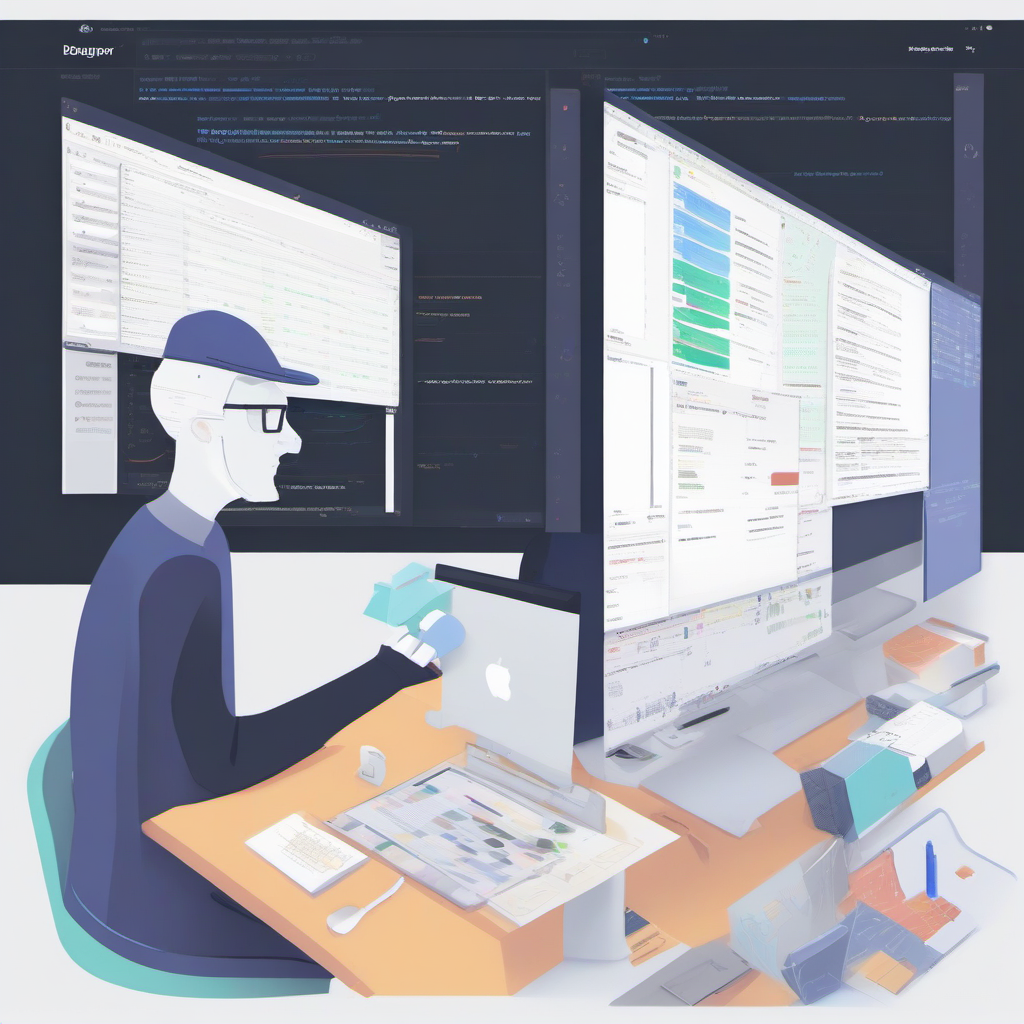
Dessn Raises $6M to Bridge the Gap Between Design and Code
In a world where design and development often clash, Dessn aims to smooth the process with its AI-powered design tools. The company has just secured $6 million in seed funding to develop solutions that integrate directly with production codebases. This funding round signals a growing interest in tools that promise to streamline workflows between designers and developers—two groups that traditionally operate in silos.
### What Dessn Actually Does
Dessn is targeting the persistent friction between design and development teams by creating an AI-powered toolset that seamlessly integrates with existing production code. The goal is to enable designers to make changes that are immediately reflected in the codebase, reducing the back-and-forth with engineers and minimizing the risk of miscommunication. Unlike other design tools that require manual updates or cumbersome exports, Dessn’s approach is to embed its technology directly into the development environment, offering real-time changes that align with both design intentions and technical requirements.
This approach could eliminate the often laborious handoff process that plagues many product teams. By allowing design iterations to be directly translated into code, Dessn aims to cut down on the time and resources spent on reconciling design and development, potentially accelerating product timelines.
### Competitive Context
Dessn enters a crowded field of design tools, but its focus is notably distinct. While incumbents like Figma have dominated the collaborative design space, their primary function remains within the design realm, often requiring separate steps for integration with development. Tools like Sketch and Adobe XD similarly focus on design-first solutions, leaving a gap when it comes to direct code integration.
In contrast, Dessn’s pitch centers on its ability to work within the coding environment itself, a proposition that could set it apart if it delivers on its promise. However, the challenge will be proving that its AI can effectively interpret design changes into production-ready code, a task that has historically faced skepticism. The startup will need to demonstrate that its technology offers a tangible improvement over existing workflows to capture a slice of the market dominated by established players.
### Real Implications for Founders, Engineers, and the Industry
For founders, Dessn’s emergence could represent an opportunity to rethink product development processes. If the tool fulfills its potential, it could mean reduced time to market and lower development costs, appealing factors for lean startups looking to maximize efficiency. However, founders should remain cautious and demand evidence of Dessn’s capability to deliver on its promises before committing their teams to a new tool.
Engineers may find Dessn’s approach both a blessing and a challenge. On the one hand, it could reduce the repetitive back-and-forth with design teams, allowing engineers to focus on more complex technical tasks. On the other hand, it introduces another layer of abstraction that could complicate debugging or customization efforts, especially if the AI’s interpretation of design elements doesn’t perfectly align with technical constraints.
For the industry at large, Dessn’s funding round reflects a broader trend of interest in tools that aim to bridge longstanding gaps between design and development. While the concept is appealing, the practical execution will be key. If Dessn succeeds, it could spur further investment in similar tools, pushing the industry toward a more integrated approach to product development.
### What Happens Next
As Dessn moves forward with its development, the real test will be whether it can effectively deliver on its promise of seamless design to code integration. For founders and engineers considering Dessn, the smart move is to keep a close watch on pilot programs and early case studies. Successful implementations could signal a shift in workflow paradigms, while any hiccups might offer lessons in the challenges of bridging the gap between design and engineering.