
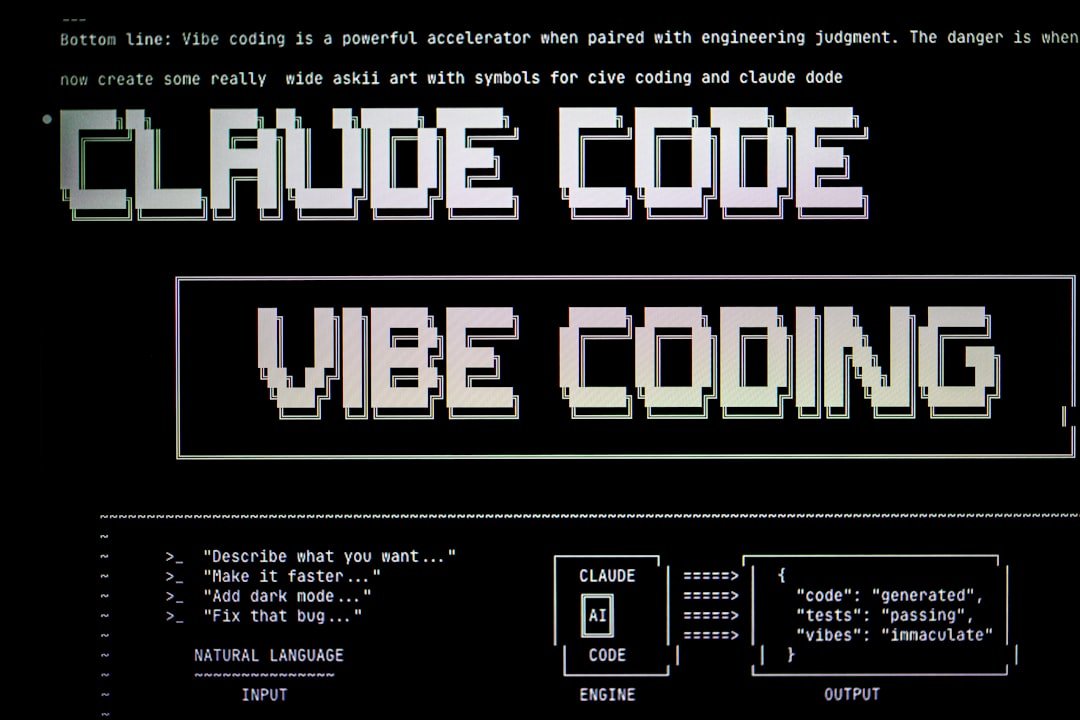
Anthropic’s introduction of Claude Code has dramatically shifted the landscape of software engineering, tripling the productivity of engineering teams but highlighting a new bottleneck: product management. With engineers now able to ship code at a rate previously unimaginable, the challenge has moved from writing code to determining what should be built. This shift is forcing companies to reassess their approach to product management, as the need for strategic decision-making has become more critical than ever.
### What Claude Code Actually Does
Claude Code, developed by Anthropic, is an AI tool integrated directly into the development environment, vastly accelerating the coding process. Unlike previous AI tools that required engineers to toggle between the IDE and a browser, Claude Code operates within the editor itself. This integration allows the AI to access the entire repository, offering contextually relevant assistance and reducing the need for senior-engineer oversight. The result is a streamlined development process where complex tasks that once took weeks can now be accomplished in days. Claude Code’s impact is so profound that engineers can now focus on orchestrating processes rather than the manual labor of coding, marking a departure from traditional engineering workflows.
### Competitive Context

The release of Claude Code has set a new standard in the industry, with companies like Amazon already leveraging similar technologies to compress feature builds significantly. Other tech giants are taking notice, with many scrambling to develop or acquire comparable tools to remain competitive. The rapid adoption of AI-driven coding solutions is reshaping the software landscape, emphasizing efficiency and speed. However, the flip side is a growing disparity between engineering output and product management capacity. While engineering teams can now produce more output, the strategic oversight to guide these efforts hasn’t kept pace, leaving a gap that companies must urgently address.
### Real Implications for Founders, Engineers, and the Industry
For founders and product managers, the rise of tools like Claude Code means a reevaluation of team structures and priorities. The traditional division between product management and engineering is blurring, necessitating a more integrated approach where product thinkers are deeply embedded within engineering teams. Engineers, on the other hand, are now required to develop a broader skill set that includes product sensibilities. This shift demands a new breed of professionals who can balance technical proficiency with strategic insight. For the industry at large, the challenge lies in adapting to this new reality, where the speed of technological advancement outpaces the ability to strategically harness it. Companies that pivot effectively will likely gain a competitive edge, while those that don’t risk falling behind.
### What Happens Next
Looking ahead, companies must prioritize hiring and developing more product managers who can keep pace with their newly empowered engineering teams. The focus should be on cultivating product thinkers who can translate rapidly evolving technical capabilities into viable business strategies. For engineers, this is a call to broaden their horizons beyond coding, embracing a more holistic view of product development. Investors and founders should be keenly aware of these shifts as they assess potential opportunities, understanding that the value now lies in strategic orchestration as much as technical execution. The future belongs to those who can navigate this complex landscape with agility and foresight.