
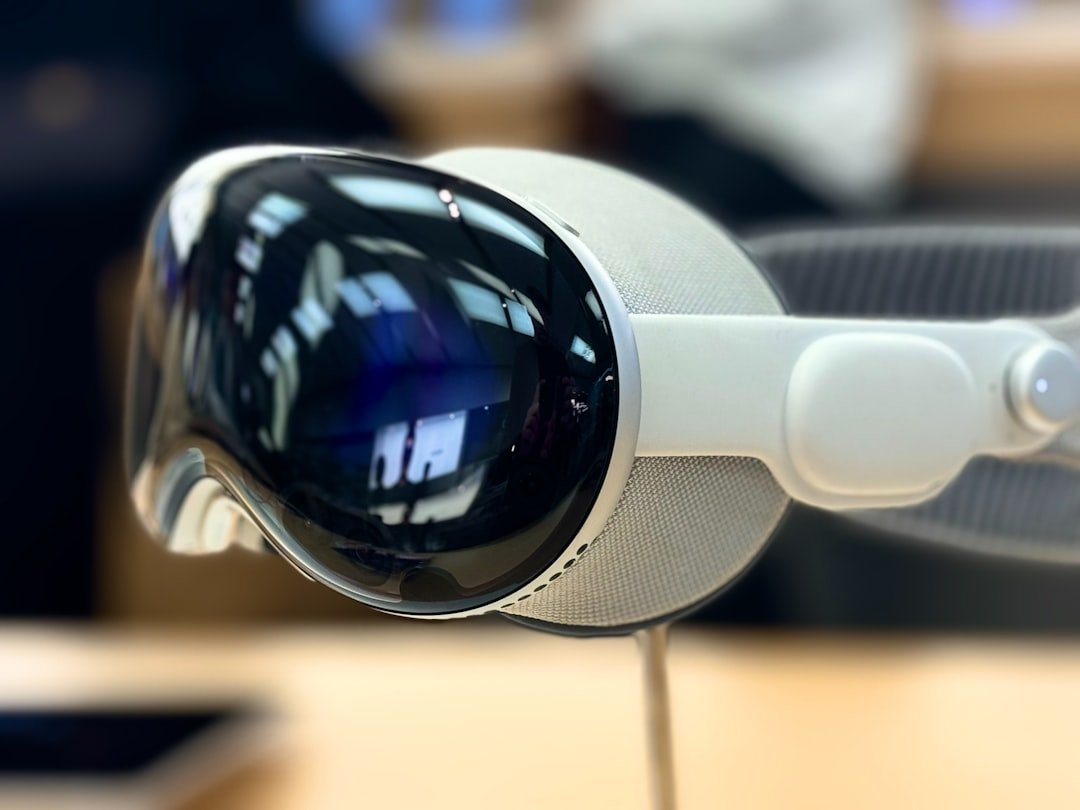
Apple’s Vision Pro headset is still months away from hitting the shelves, but the ecosystem around it is already bustling with activity. UHF X11, a Toronto-based startup, announced its new product, X11, built specifically for Apple’s VisionOS. As the tech community grapples with the potential of augmented reality applications, UHF X11’s move is a bold bet on the future of spatial computing.
### What X11 Actually Does
X11 is a software development platform designed to optimize apps for VisionOS, Apple’s operating system tailored for its Vision Pro headset. The platform aims to streamline the creation of immersive AR experiences by providing developers with tools to leverage the Vision Pro’s capabilities, such as its high-resolution displays and advanced motion sensors. UHF X11 claims that its platform reduces the complexity of AR app development, allowing creators to focus on content rather than technical hurdles.
This focus on simplifying AR app development could be critical as Apple attempts to carve out a space in the augmented reality market. X11 promises to support a range of applications, from gaming to productivity tools, suggesting that UHF X11 is targeting a broad audience of developers eager to experiment with Apple’s latest hardware.

### Competitive Context
The AR development landscape is crowded, with established players like Unity and Unreal Engine already offering robust platforms for creating immersive experiences. These companies have years of experience and a strong developer base, presenting a formidable challenge for any newcomer. However, UHF X11’s strategy to specialize in VisionOS could give it a niche advantage, provided Apple’s headset gains traction.
While the Vision Pro is expected to set a high bar with its premium pricing and advanced features, the broader AR market remains a question mark. Competing headsets from Meta and others offer varying levels of sophistication and price points, making it unclear whether consumers will flock to Apple’s ecosystem or if they’ll opt for more accessible alternatives. This uncertainty underscores the risk UHF X11 is taking by aligning so closely with Apple’s yet-to-be-proven platform.
### Real Implications for Founders and Engineers
For founders and engineers, the emergence of X11 presents both an opportunity and a challenge. On one hand, UHF X11 offers a chance to get in on the ground floor of a potentially transformative platform, especially for those already invested in Apple’s ecosystem. On the other hand, the unproven market for Vision Pro and VisionOS means that resources spent developing on X11 could be a gamble.
Engineers, in particular, may need to weigh the learning curve associated with a new platform against the possibility of being early adopters in a space that could explode—if Apple’s Vision Pro delivers on its promises. For those willing to take the plunge, X11 might offer a way to differentiate their skill set in an evolving field.
### What Happens Next
As UHF X11 gears up for the Vision Pro’s rollout, the company will need to prove that its platform can deliver real value to developers. The success of X11 will hinge on Apple’s ability to attract a substantial user base for its headset and on developers’ willingness to invest in creating VisionOS-specific content. For those on the fence about diving into AR development, X11 represents a calculated risk: a potential early entry into Apple’s vision-driven future, or a costly detour if the Vision Pro fails to resonate with consumers.