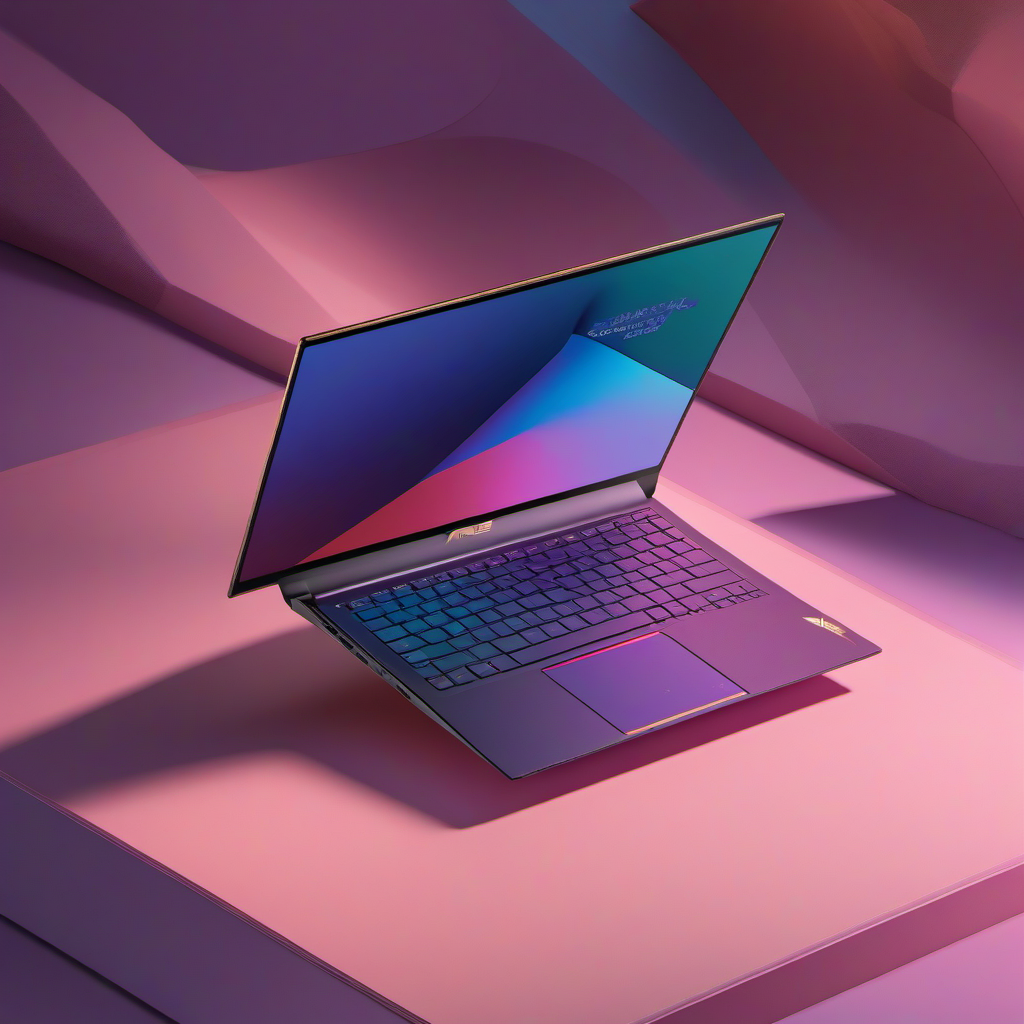
ASUS has launched its Zenbook A14 in Canada, a move that places the tech giant’s latest laptop into the hands of Canadian consumers and professionals. While the Zenbook line has consistently been praised for its design and performance, the question remains: does this new model offer anything truly necessary or is it another iteration in a long line of similar devices?
## The ASUS Zenbook A14: What’s Inside?
The 2026 Zenbook A14 sticks to ASUS’s well-established formula of combining portability with performance. At the heart of this device is the 18-core Snapdragon X2 Elite processor, which promises to handle demanding tasks with ease. This chipset is paired with an impressive 16GB of LPDDR5 RAM, ensuring smooth multitasking and efficient power use. Battery life, a hallmark of the Zenbook series, claims to last up to 20 hours on a single charge, making it a reliable companion for those on the go.
Design-wise, the A14 maintains the sleek aesthetics of its predecessors. Weighing in at a mere 1.2 kg, it is designed for portability without sacrificing sturdiness. The 14-inch OLED display offers vibrant color accuracy, which should appeal to creatives and professionals alike. However, as with many premium laptops, the price point is not modest. Starting at CAD $1,800, the Zenbook A14 caters to a market segment willing to pay for premium features and design.
## Competitive Landscape
The Zenbook A14 enters a fiercely competitive market dominated by brands like Apple, Dell, and HP. Apple’s MacBook Air, with its M2 chip, remains a strong contender, offering seamless integration within Apple’s ecosystem. Dell’s XPS series continues to be a favorite for its high-quality build and performance. Meanwhile, HP’s Spectre x360 line provides excellent value with its convertible design and robust features.
The Zenbook A14’s Snapdragon X2 Elite processor is a standout feature, diverging from the traditional Intel and AMD battles that dominate the laptop space. Whether this pivot will entice consumers away from established competitors remains uncertain. ASUS’s decision to integrate Snapdragon technology might appeal to tech enthusiasts looking for something different, but mainstream adoption will depend on performance benchmarks and real-world reviews.
## Implications for Founders and Engineers
For Canadian founders and engineers, the release of the Zenbook A14 adds another option to the toolkit of portable workstations. Its impressive battery life and processing power make it suitable for software development, design work, and remote meetings. However, the choice of processor could be a double-edged sword. While Snapdragon promises impressive energy efficiency, compatibility with certain software traditionally optimized for Intel or AMD could pose challenges.
For hardware engineers and software developers, the introduction of the Snapdragon X2 Elite in a mainstream laptop could signal a shift towards more ARM-based computing solutions. This might influence development decisions, especially for those creating software that needs to run efficiently across multiple platforms. For startups considering hardware development, the success or failure of ASUS’s gamble on Snapdragon might inform future processor choices.
## The Road Ahead
As ASUS rolls out the Zenbook A14 across Canada, real-world performance and consumer feedback will determine its success. For now, engineers and founders should watch closely to see how this device performs in everyday scenarios and whether it meets the needs of a diverse user base. Investors might also keep an eye on ASUS’s market share movements, as the success of this model could influence future designs and strategic decisions.
Ultimately, the impact of the Zenbook A14 will depend on how well it aligns with the evolving needs of professionals in Canada. For those in the tech industry, this release serves as a reminder to stay adaptable and informed, ensuring that the tools they choose today will support the innovations of tomorrow.