
ure. Though ahead of its time, Co-motion struggled to find traction in a market not yet ready for virtual collaboration. Yet, the Bittners’ knack for foreseeing trends and their ability to pivot would set the stage for RWI’s future success.
### Simulating the Future
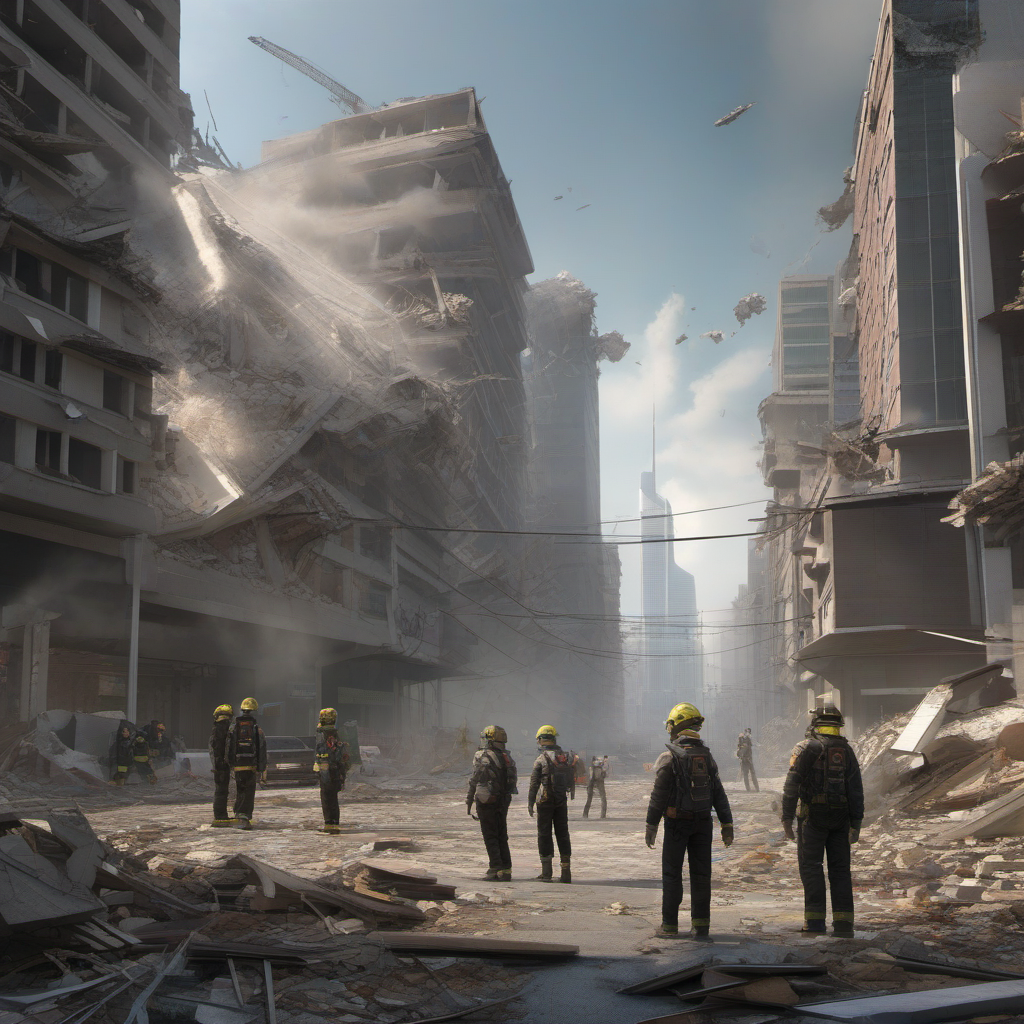
Run With It Synthetics (RWI) capitalizes on the concept of digital twins—virtual replicas of real-world systems used for simulations. In the case of RWI, that means creating detailed synthetic environments that mimic real-life cities, infrastructures, and populations. Their technology leverages AI and complex data sets to simulate scenarios like earthquakes, floods, or even pandemics, providing stakeholders with predictive insights and potential outcomes.
The company’s platform allows users to visualize the impact of disasters in real-time, offering a dynamic view of how infrastructure and populations might respond. This level of foresight is valuable for urban planners, emergency response teams, and public policy makers. By simulating these scenarios, the company enables decision-makers to prepare and strategize effectively, potentially saving lives and resources.

### Competitive Landscape
The market for digital twins and predictive modeling is burgeoning, with notable players like Siemens and IBM making significant strides. However, RWI’s focus on disaster simulation and its unique use of AI-driven “people” sets it apart. While larger companies might have more resources, RWI’s niche expertise in disaster preparedness gives it a competitive edge.
Despite the potential, the market is crowded and competitive. Many companies are vying for a slice of the smart city and predictive analytics pie. The challenge for RWI will be to continue to innovate and prove the tangible benefits of their simulations. With funding rounds yet to be disclosed publicly, the company’s ability to attract investors will depend on how convincingly it can demonstrate consumer value beyond the hype.
### Implications for Industry Stakeholders
For founders and engineers, RWI’s journey underscores the importance of adaptability and foresight. The Bittners pivoted from early setbacks to create a product that anticipates future needs. The lesson here is clear: the ability to evolve with technology and market demands is crucial.
For investors, RWI presents a case study in niche specialization. While the broader field of AI and digital twins is competitive, focusing on specific applications—like disaster preparedness—can carve out a unique market position. The challenge lies in recognizing which niches hold real consumer value versus those buoyed by transient trends.
### What Happens Next
As RWI continues to refine its technology, the next steps involve scaling their platform and expanding their market reach. The company will likely seek strategic partnerships with city planners and government agencies to integrate their simulations into broader disaster preparedness frameworks.
For a founder or engineer watching from the sidelines, RWI’s journey is a testament to the power of persistence and the value of a well-timed pivot. As the digital twin market grows, the real opportunity lies in finding untapped applications that deliver clear and measurable value.